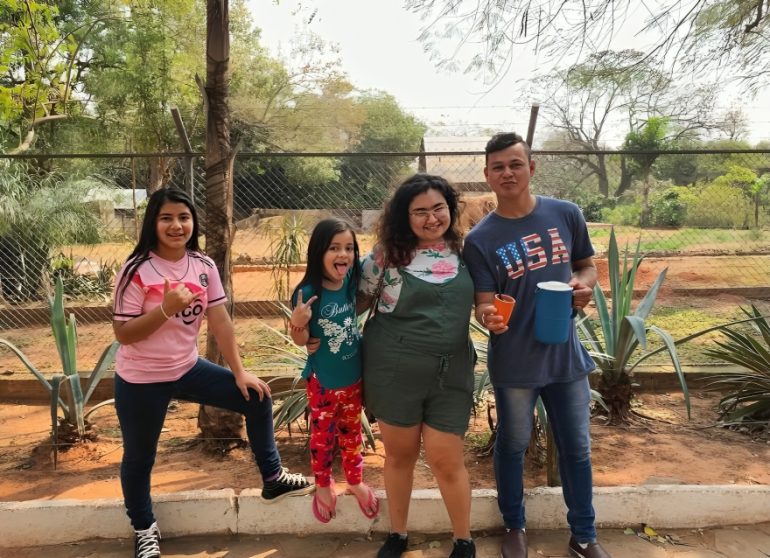

For many internationally adopted Paraguayans, reconnecting with their birthplace is a journey marked by questions of identity, belonging, and family. For Rebecca Fiore (32), that journey began with a simple online search that led her back to her birth mother after more than two decades apart. In episode five of The Asunción Times series Paraguay’s Lost Children, we meet Rebecca.
From Curuguaty to New Jersey
Rebecca Fiore was born in Curuguaty, a district in the Canindeyú Department of Paraguay and adopted by a white Italian-American couple from New Jersey when she was one year old. She is now a therapist based in Brooklyn, New York, where she works with adopted people and their families. She is also the creator of the Instagram community Paraguayan Adoptees, a space designed to connect adoptees from Paraguay and provide emotional support.
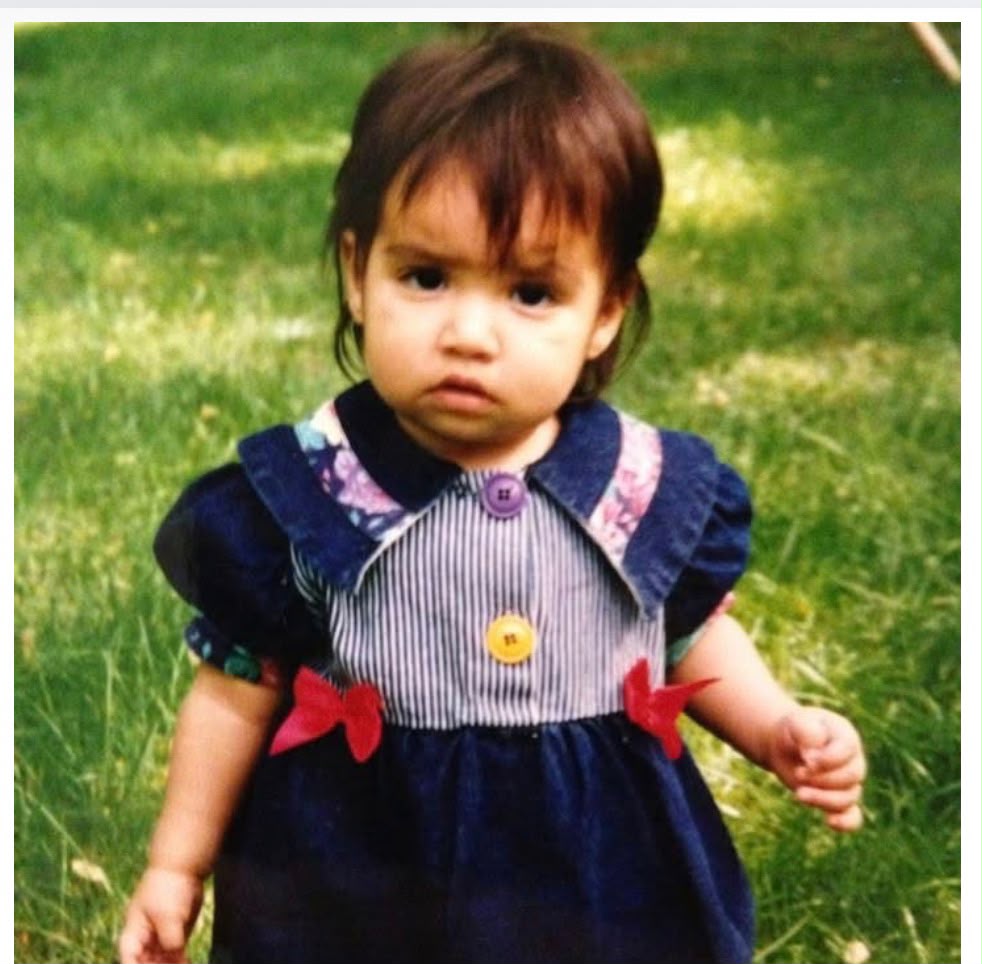
Fiore was adopted in 1995, during a period when thousands of Paraguayan children were adopted internationally. She spent the first six months of her life with her birth mother before being placed in what she describes as “some type of orphanage foster care situation”.
Finding her birth family through Facebook
Her adoption story was initially explained to her in simple terms.
“My story was originally, ‘your birth mother loved you very much, and she was not able to take care of you, and that is why she had to make this decision.’ It was never a secret. It was, ‘if you want to look at your paperwork, you can’. But I think I just wanted so badly to be their daughter that I did not really think too much about my adoption.”
That changed when she was 24 years old. While visiting her parents, she decided to look at her adoption documents again and found her birth mother’s name. “I was like, well, I wonder what would happen if I put her name into Google,” she recalled.
After adding “Facebook” to the search, she found a profile that appeared to belong to her birth mother. She sent a message, attaching the only photograph she had of her birth mother: a black-and-white image taken when she was 19 years old and had just had Rebecca.
“Yep, I am your mom”
“Within minutes, she answered me and was like, ‘Yep, I am your mom.’ She sent me a photo of myself as a baby that I had never seen before, because I have no photos of myself from zero to six months.”
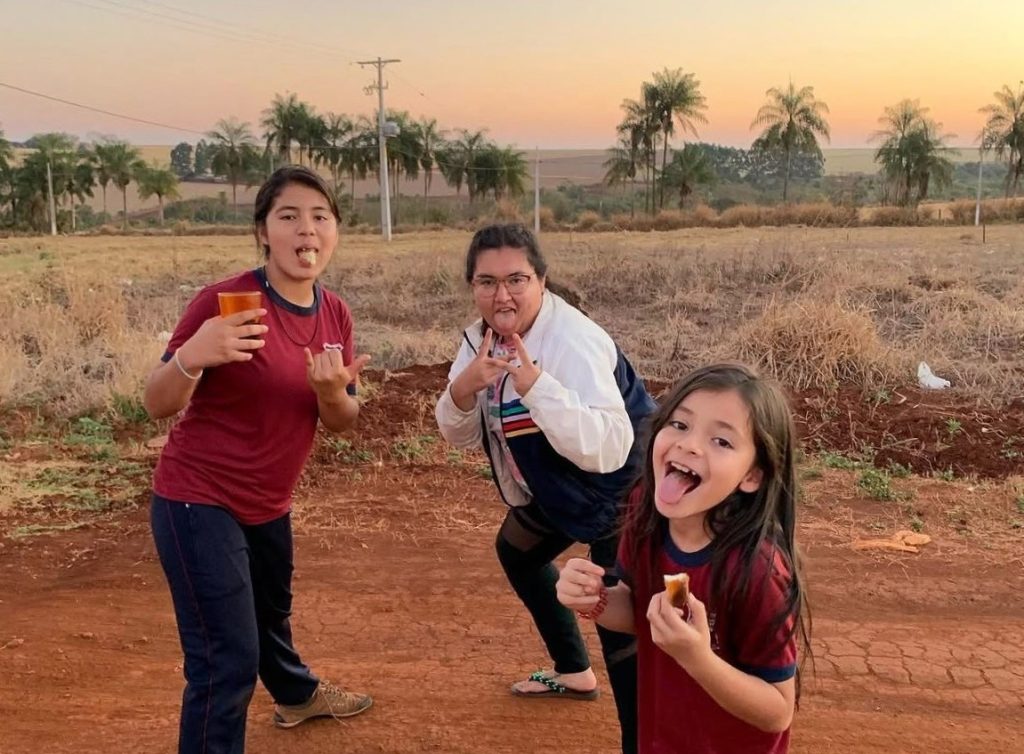
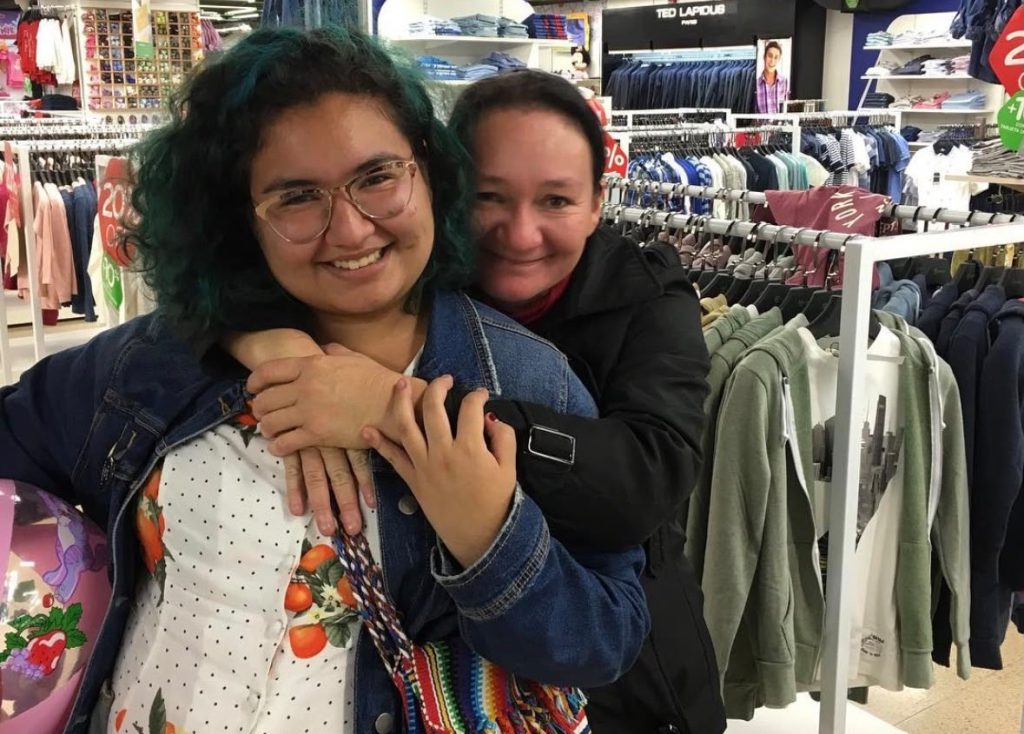
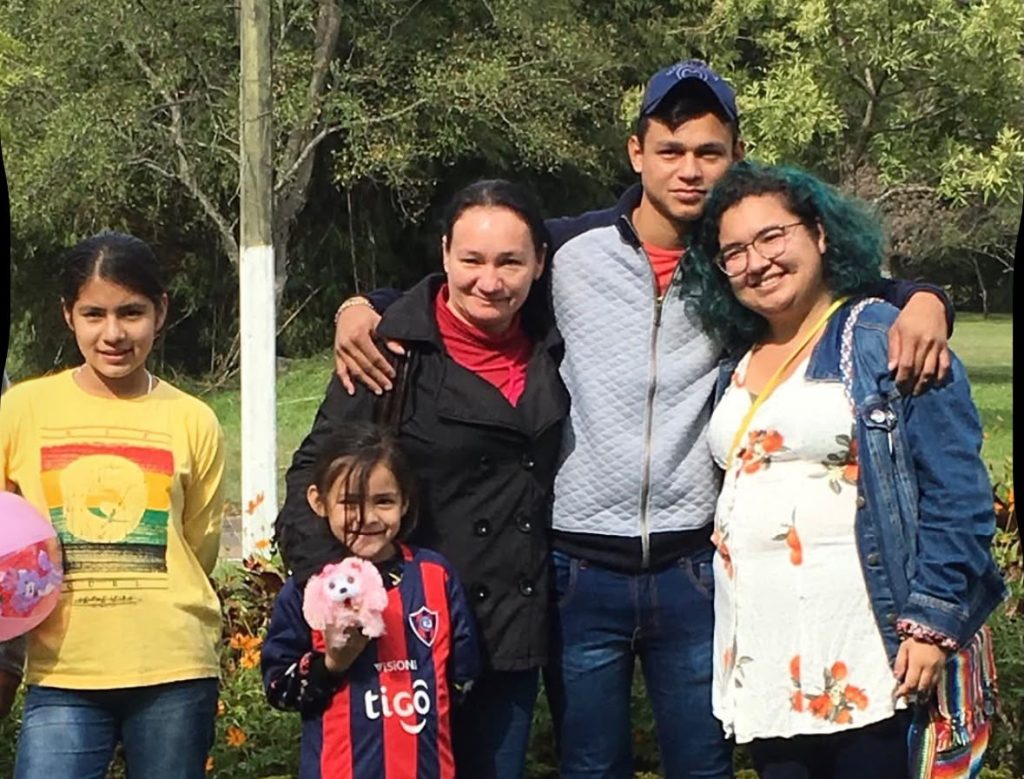
That moment confirmed the connection, and Fiore has been in reunion with her birth mother since 2018. She later travelled to Paraguay for the first time to meet her and discovered she had six siblings.
“It has been a really interesting experience of being in reunion. It is such an interesting culture to really find yourself in and all of a sudden embrace being Paraguayan.”
Building a community for Paraguayan adoptees
When Rebecca Fiore began searching for support after reconnecting with her birth family, she realised there was little specific assistance available for Paraguayan adoptees.
“I noticed that there was a lot of organisation among Colombian adoptees or Chinese adoptees because there are just larger numbers of them. And then it made me think, well, what about the Paraguayan adoptees? We need to have our own space and support.”
That idea led her to create Paraguayan Adoptees, an online community where adoptees can share their experiences. Every other month, she hosts a virtual support group where participants can discuss reunion, identity, and their relationship with Paraguay.
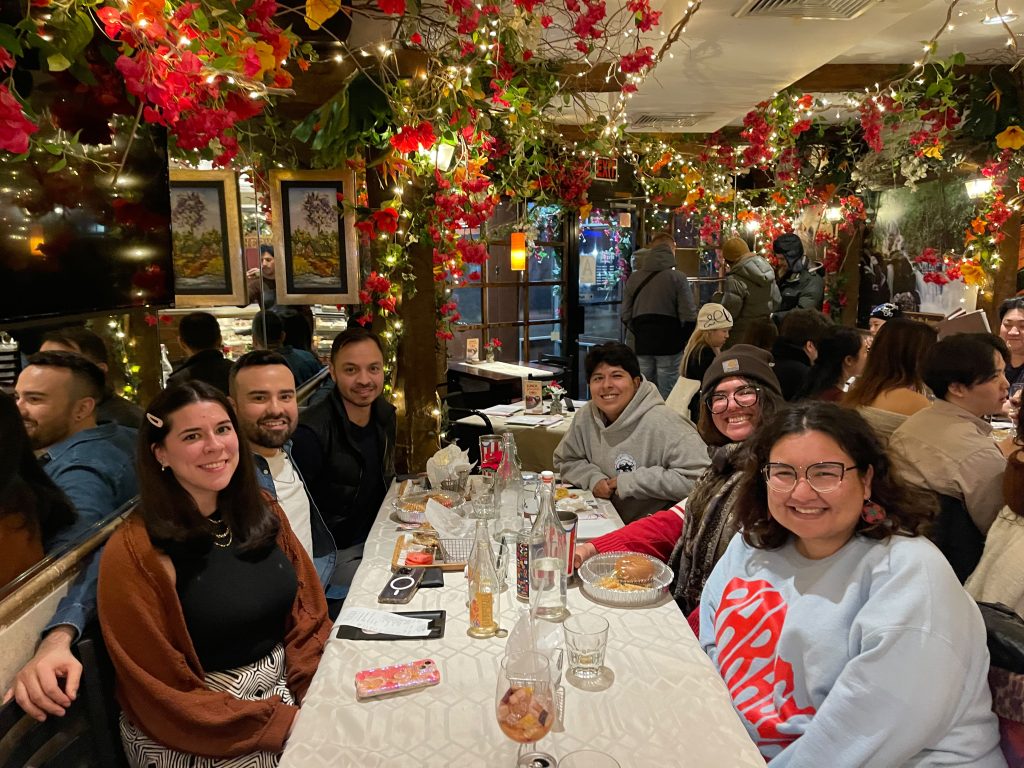
Fiore also organises cultural events in New York. Some include gatherings at the restaurant I Love Paraguay, where adoptees can experience Paraguayan food, music, and traditions.
“People can come and eat Paraguayan food and be in the culture and listen to music. We get to really feel like a part of the culture.”
A search for belonging
Fiore’s adoption also connects her to a broader chapter of Paraguayan history. She was adopted during a period when international adoptions were later scrutinised due to allegations of irregularities and corruption. Her adoptive parents travelled to Paraguay to complete the process, and her father stayed for more than a month while the adoption was finalised. During that same period, the BBC was filming a documentary about international adoptions. After reconnecting with her birth mother, she also learned more about the circumstances surrounding her adoption.
“She was very poor. She told me that when she had me, there were these women in her town who would walk around and try to find pregnant women or women who had just had babies that they knew they could not take care of.”
According to Rebecca Fiore, these women would tell mothers that adoption could offer their children a better life. Despite the complexity of her story, Fiore said reconnecting with her family has helped her understand herself. Growing up in the United States, she often felt disconnected from her Paraguayan heritage.
Rebuilding the connection
“I always felt like a white person because that is how I was raised. Even when other Latin people would recognise me as Latin and speak Spanish to me, I could not speak Spanish back. I felt kind of like a fraud a lot of the time.”
Returning to Paraguay has helped her rebuild that connection.
“The more I tried to lean into my birth culture, learning about the customs here, drinking mate or tereré with my family, learning little bits of Guaraní from my siblings, the more connected I became. My birth family embraced everything about me. They never made me feel like I was different from them, even though I felt that way.”
Supporting future generations of adoptees
“While adoption is incredibly complicated, I think there is also a lot of beauty in reconnecting. Whether it is reconnecting with the land and culture of Paraguay or reconnecting with actual family members.”
Rebecca Fiore encourages Paraguayan adoptees looking for support to contact her through Instagram at paraguayanadoptees or via email at paraguayanadoptees@gmail.com.
“Some people do not want to be in reunion with their birth family because it feels too much for them, and that is fine. Maybe they are just interested in knowing more about Paraguay or where they can get Paraguayan food. You may feel like you do not belong in either world, but we kind of belong in a world of our own, which is being an adopted person. Finding community in that is really helpful.”
Other resources
For Paraguayan adoptees looking to share their experiences or reconnect with others, there are also additional spaces available online. The Facebook group Paraguay Adoption/Paraguayos Adoptados offers a place for adoptees to exchange stories, ask questions and connect with people who share similar backgrounds.
Another resource is Paraguayan adoptee and YouTuber Ryan Aranda, who uses his platform to share his own journey of identity, interviews and show the beauty of Paraguay. Through these communities, adoptees can find support, information, and others who understand the complexities of growing up between cultures.