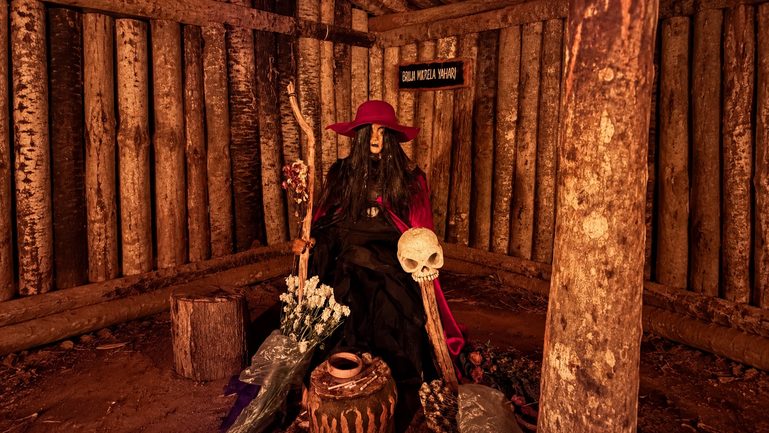

Few Paraguayan legends are as persistent as the one of Micaela Yaharí. She was a reputed sorceress from Yaguarón, a town in the department of Paraguarí, about 50 kilometres from Asunción. Local researcher Daniel Pino says records confirm that she died in 1917, but nearly everything else about her is legend. Her story is also a draw for visitors seeking a mystical experience, which makes it a natural fit for Halloween.
The town of Yaguarón calls itself the cradle of Guaraní mythology, and it has built a tourism offer around that identity. Micaela appears in guided tours, theatre performances and local storytelling. This article separates the documented woman from the tradition that grew around her.
What history can tell us about Micaela
The one firm date is her death in 1917. Pino, a teacher and cultural organiser in the town, co-wrote a 2019 book on its history, myths and legends. Researchers quoted in local media agree that she existed, but note that testimonies about her life blend with legend. Her date of birth and age at death are not known.
Local tradition places her at Saguazú, a rural area about 3 km from the town centre. Beyond that, what is told about her comes from memory and word of mouth.
Some details show where legend parts from record. A popular tale says Micaela predicted that the child José Gaspar Rodríguez de Francia would become a great leader. His family home in Yaguarón is now a museum, and he ruled Paraguay from 1814 to 1840. Francia was born in 1766, so the encounter would predate her documented death by well over a century. Other accounts say she lived about 200 years, which no document supports.
How the legend of Micaela Yaharí took shape
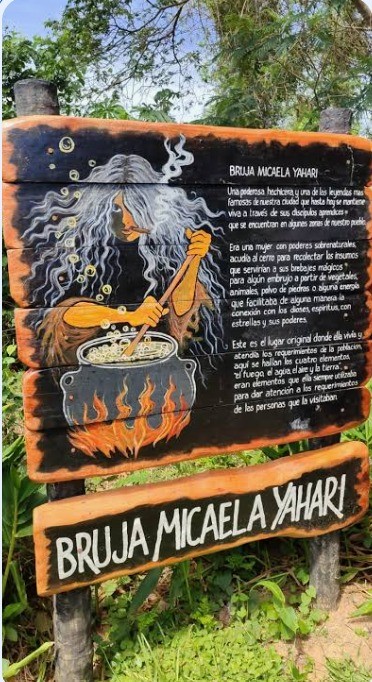
The best-known stories come from oral tradition. According to Pino, many were later recorded in a regional magazine published from 1921 to 1966. The tales say she trained in the occult with an Indigenous shaman named Ventura Guari, who lived by the Ñondó stream. She reportedly excelled among his students.
Memory describes her as both feared and loved: she helped people who treated her well and punished those who slighted her. One tale tells of a vain young woman who mocked Micaela and was cursed. She was forgiven after providing animals for a feast that fed the town. Another says Micaela could detach her head, which floated on her braided hair to scout distant places.
The most repeated stories concern her funeral. The village priest reportedly refused to admit her body to the church because of her reputation. One account says she had confessed to an archbishop late in life and donated a bell to the church. Her coffin was supposedly too heavy to lift, so it was dragged to the cemetery on a cart. Versions differ: ten men failed to lift it in one telling, teams of oxen pulled it in another. Believers add that on cloudy days her spirit wanders the San Buenaventura church, the town’s landmark Franciscan building, which denied her entry.
Beyond the castle: Yaguarón’s mystical landscape
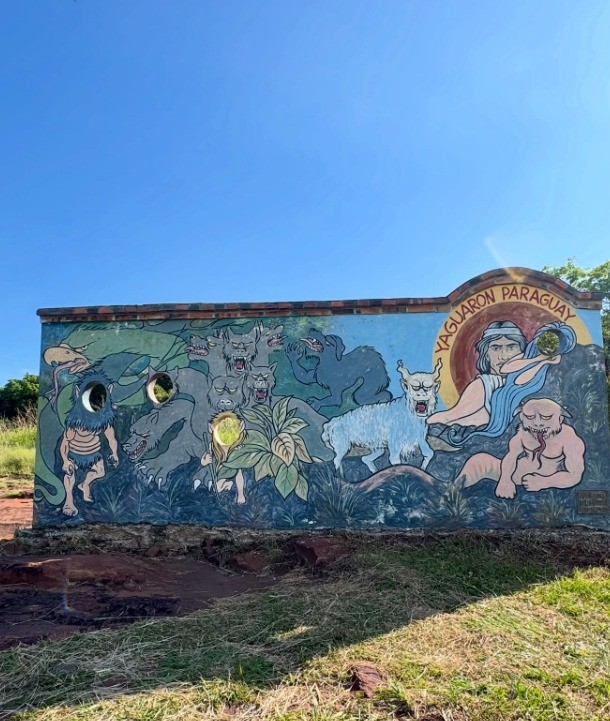
Micaela is one thread in a much wider body of stories. Yaguarón sits at the foot of Cerro Yaguarón, a hill that tradition links to the origins of Guaraní mythology. The Guaraní are the Indigenous people whose language and culture remain central to Paraguayan identity. According to the myth, the hill was home to Kerana, mother of seven monstrous siblings including Teju Jagua, Moñái and Kurupi.
A spring near the summit, called Ykua Kerana, is said to have formed from Kerana’s tears. Newer stories sit alongside the myth. According to local guides, the hill was Micaela’s favoured place for rituals and meditation. Another tale describes the restless spirit of a man who died near the summit and appears at midday, so locals advise against climbing at that hour.
The Castle of Saguazú is the best-known link to Micaela, but the two are unrelated. Rosalba Vera, whose family built the house in 1985, says no witch ever lived there. That is about 70 years after Micaela’s death, so a popular version placing her death inside it cannot be reconciled with the dates.
When folklore becomes tourism
A 2021 academic study by Hernán Sutty Segovia of Universidad Americana in Asunción argues that Yaguarón has strong potential for mystical tourism. The term covers travel in search of spiritual, energetic or esoteric experiences at places regarded as sacred or spiritually significant. The study says this niche differs from mass tourism and sits closer to cultural and religious tourism. It depends on “magical spaces” and on intangible heritage: stories, beliefs and traditions rather than buildings.
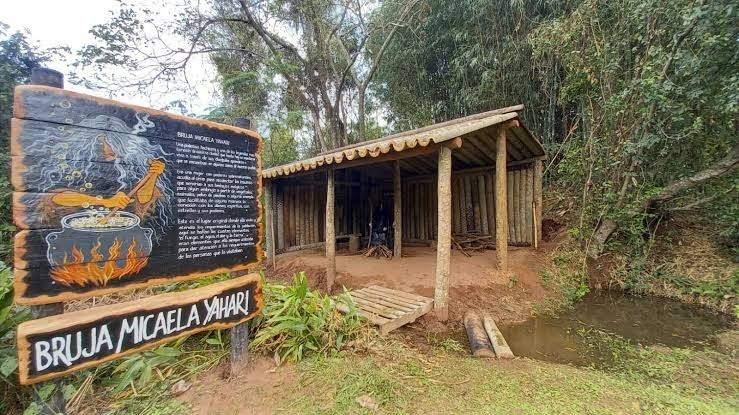
The author cites researchers who note that such tourism needs the belief, not the truth, of a story. The study sorts the town’s assets into real components such as the hill, imagined ones such as Micaela, and places of memory such as the castle. It is a conceptual analysis and does not include visitor figures.
Local initiatives already follow this approach. Guided evening tours climb Cerro Yaguarón, where young actors play Micaela Yaharí and recount episodes from her life. Holy Week programmes in Yaguarón continue each year. In 2023, a local organiser told reporters that they involved seven local organisations and about 500 people. The organiser described the aim as preserving stories passed by word of mouth through generations. Pino is also a listed contact for the town’s guided circuits, according to local coverage of its first tourism expo in 2018.
Keeping history and folklore alive
Micaela Yaharí endures in local memory as a woman both feared and respected. The documented part of her story is small: a name and a death in 1917. The rest belongs to tradition, and that tradition is what draws visitors to the hill and the church. For anyone visiting Yaguarón around Halloween, the distinction does not spoil the story. It gives the story context, and it keeps a living oral tradition honest.