

Noelia Ibarrola, known as Noe Ibarrola, has spent around 15 years building her artistic career across acting, production and playwriting. Her work explores personal experiences and difficult social issues, including abuse, harassment and mental health. After stepping away from art to study Accounting and raise a family, she returned to acting in 2010. Since then, theatre has become a way to examine her own experiences and encourage audiences to question the world around them.
“I always say that art knows how to wait. If something truly beats inside you, at some point it comes back,” Ibarrola starts telling The Asunción Times.
Returning to the stage
Ibarrola’s first approach to art came during childhood. Her mother sang and wrote poetry, while her grandfather gave her an organ and encouraged her to perform Paraguayan polka music. At eight, she recorded five songs for the children’s programme Vamos a Cantar.
However, her mother believed art could not provide a stable profession, encouraging her to pursue a traditional career. Ibarrola studied Accounting at the Universidad Católica before family life took her away from the stage. In 2010, through her son, who had started studying theatre, she returned to acting.
For Noe Ibarrola, acting became a way to understand herself and challenge social expectations. “Art gave me freedom, and it continues to do so,” she says.
Alongside acting, Ibarrola has explored production, playwriting and directing. She created Noe Factoría, a production project that supports the creation of artistic content, including her podcast. She also launched El Podcast de Noe, which features conversations with guests about mental health, emotions, relationships, motherhood and self-esteem. The podcast aims to open conversations about subjects people often find difficult to discuss.
Turning personal experiences into theatre
Ibarrola developed Decime cómo hago para caerme (Tell Me How I Can Fall) from an idea she had in 2015. The one-woman show reached the stage in 2022, addressing childhood abuse, harassment, mental health, and, most of all, resilience.
“I wanted to tell my story, but not from the perspective of a victim,” she explains. “I wanted to show that, even if you have gone through certain situations, you can move forward.”
An abandoned rooftop terrace in her former building became a metaphor for her emotional state. During the pandemic, she worked with Paola Irún, recording audio messages about her memories and experiences. Irún transformed those recordings into a dramatic text, which Jorge Báez directed.
The process helped Ibarrola develop the work while confronting emotionally difficult material. However, she distinguishes artistic expression from therapy. “I wanted to tell the world something. If there was healing, it was a consequence and also contributed to my own personal development.”
The play received the EDDA Award for Best Social Work, although Noe Ibarrola says bringing her story to the stage mattered more than recognition.
Exploring abuse and responsibility
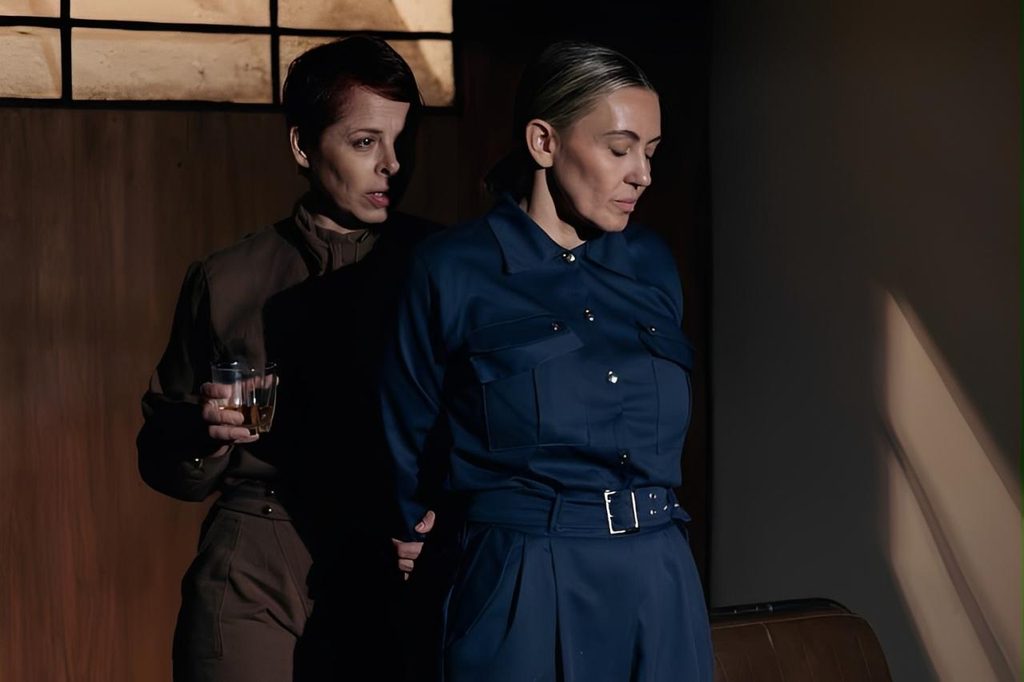
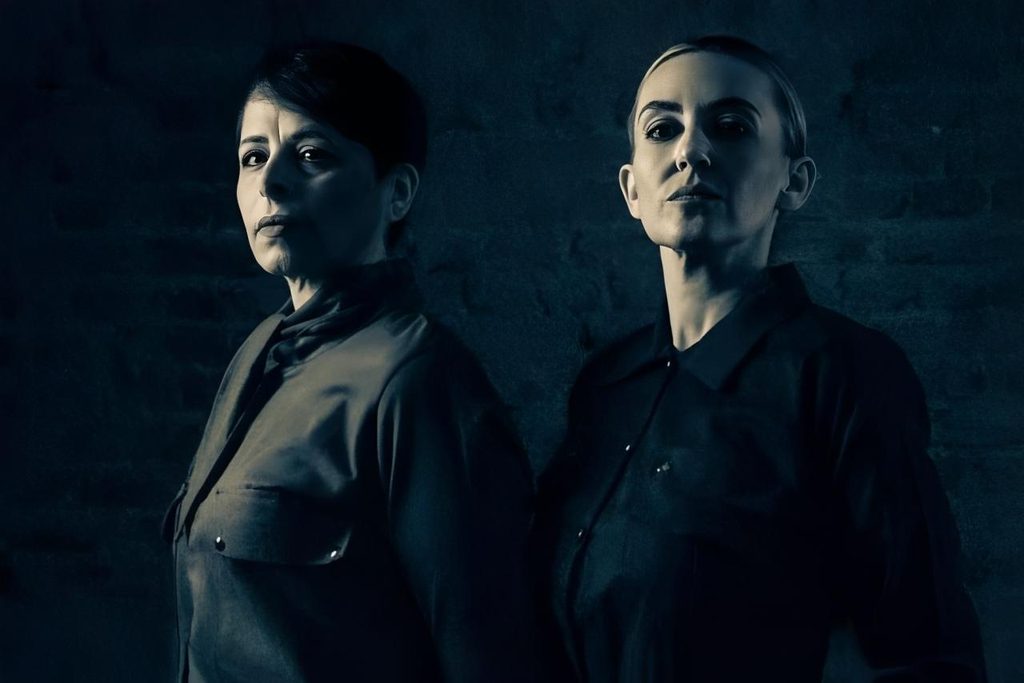
Her work Barrunto, written by Argentine playwright Mario Arietto, also examines abuse and harassment. The play looks beyond individual acts to consider power structures, the justice system, the media and the reactions surrounding a complaint.
“When a person is harassed or abused, people often doubt them and they are revictimised. They start asking what they did, what they were wearing, why they were there or why they did not leave earlier.”
For Ibarrola, the play also raises questions about the responsibility of those who witness abuse or harassment. “Rather than focusing solely on the person who experiences abuse, Barrunto asks audiences to consider how people respond when someone comes forward with a complaint. I wants viewers to reflect on their own attitudes and actions in these situations.”
The production also challenged her acting skills. Ibarrola and Natalia Nebbia portray multiple male and female characters, sometimes switching roles within seconds. The challenge involved distinguishing each character without relying on stereotypes.
She highlights the importance of analysing scenes, intentions and dialogue with Nebbia before rehearsals. Working with director Báez also encouraged her to take creative risks: “I learned different ways of acting from Natalia. She is a wonderful colleague,”
Ibarrola received another EDDA Award for Barrunto, which she sees as recognition of the play’s impact and its contribution to discussions about abuse.
The future of Paraguayan theatre
For Noe Ibarrola, one of the main challenges facing Paraguayan theatre is attracting larger audiences. “I believes theatre should become a regular part of people’s social lives, giving productions more opportunities to reach audiences and continue their runs.”
She also argues that schools should introduce students to different theatrical styles, including performances in unconventional spaces. Alongside these efforts, she sees a need for more Paraguayan playwrights to tell stories rooted in the country. “Paraguayan theatre also needs to continue finding its identity.”
Ibarrola is currently producing Nadie vuelve porque sí (Nobody Returns for No Reason), written by Argentine playwright Guillermo Hermida and directed by Jorge Báez. She is also preparing further performances of Barrunto scheduled for November 2026.
To know more, follow Noelia Ibarrola on Instagram.