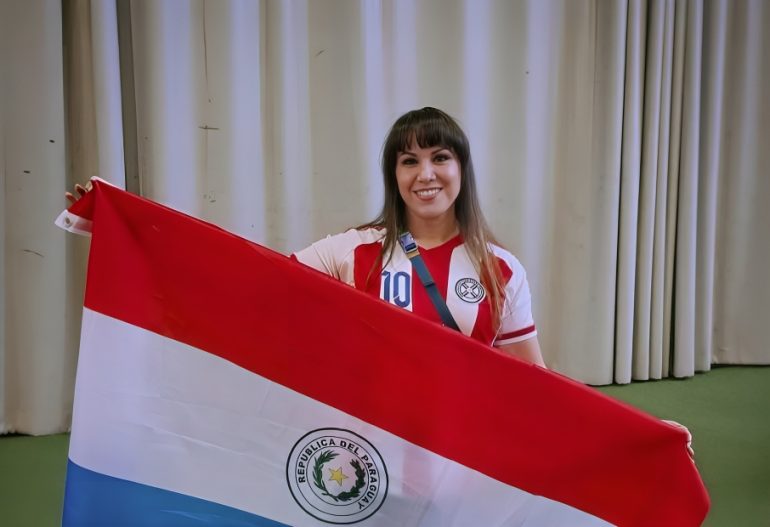

When Claire Stiglmeier was 13 years old, and the aeroplane began its descent over Paraguay, the first thing she noticed was the colour red. The roofs of Asunción, the red earth stretching beneath them, and the landscape that felt instantly familiar despite being thousands of kilometres from the life she had known in the United States.
“I always think about that first sight. Coming down on the plane, seeing the red earth and the red roofs, I felt at home. My parents were very open with me about adoption,” she says to The Asunción Times. “They made it completely transparent. For that, I am grateful because I know many adoptees who were never told that they were adopted.”
This is episode 3 of The Asunción Times series “Paraguay’s Lost Children”. You can meet Claire on Monday, 27 July 2026 (19:00), at the A Night of Connection event organised by The Asunción Times at restaurant Tavolo del Creatore (España esq. Gral. Santos in Asunción).
“I really embraced my Paraguayan roots”
Claire was born in Paraguay in 1988 and adopted by an American family the following year. Her parents arrived in Asunción during one of the country’s most turbulent moments, travelling just as Alfredo Stroessner’s dictatorship collapsed in February 1989. Read more about these circumstances in a previous episode of our series Paraguay’s Lost Children #1: The International Adoptions In The Stroessner Era.
Rather than avoiding difficult conversations, Claire’s adoptive parents encouraged her curiosity. Her mother created what the family called a “memory box”, filled with photographs, adoption documents, Paraguayan leatherwork, silver filigree, ñandutí lace, and souvenirs collected during their stay in Asunción.
“Anytime I had questions about my adoption or about my heritage, we would take the box down, and we would look through it. I grew up fascinated by Paraguay, by my identity, my culture. I really embraced my Paraguayan roots.”
Growing up in Albany, New York, Claire Stiglmeier taught herself Spanish before formal classes were available. Later, she studied Spanish literature at university, discovering not only a language but an entirely different literary world.
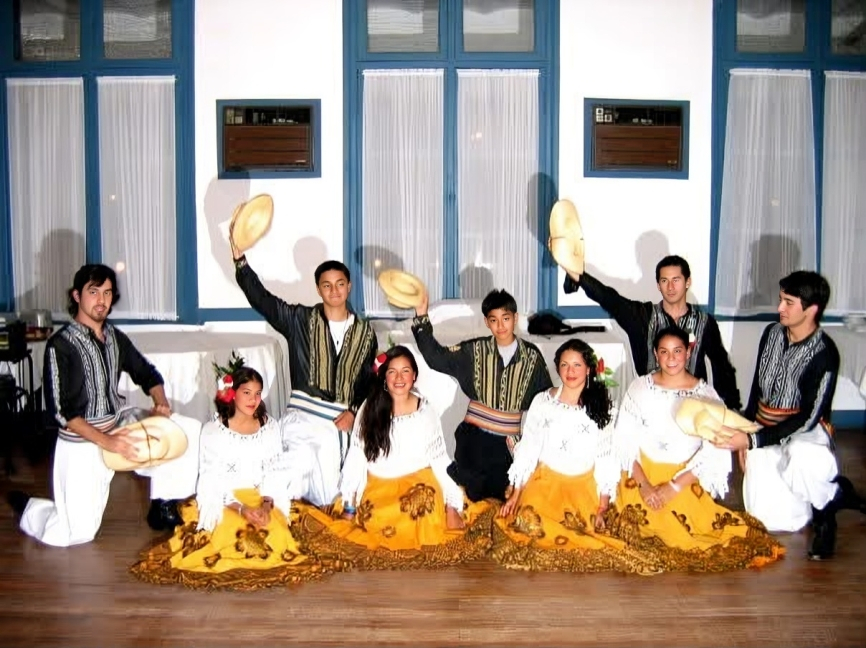
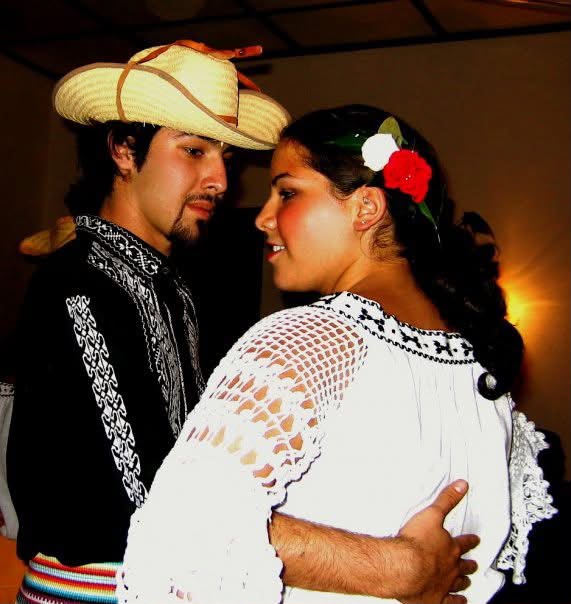
Returning to the country she never forgot
Her first visit to Paraguay at the age of 13 proved transformative. “I knew that I wanted to go back. I knew that I wanted to continue learning about my culture. And I felt like I was home the first time that I went back to Paraguay.”
After graduating from university, Claire Stiglmeier applied to the Peace Corps without knowing where she would be sent. She expected somewhere in Latin America, but never imagined she would return to the country where she had been born.
“It was a complete surprise to me that I was actually chosen to be placed back in Paraguay.”
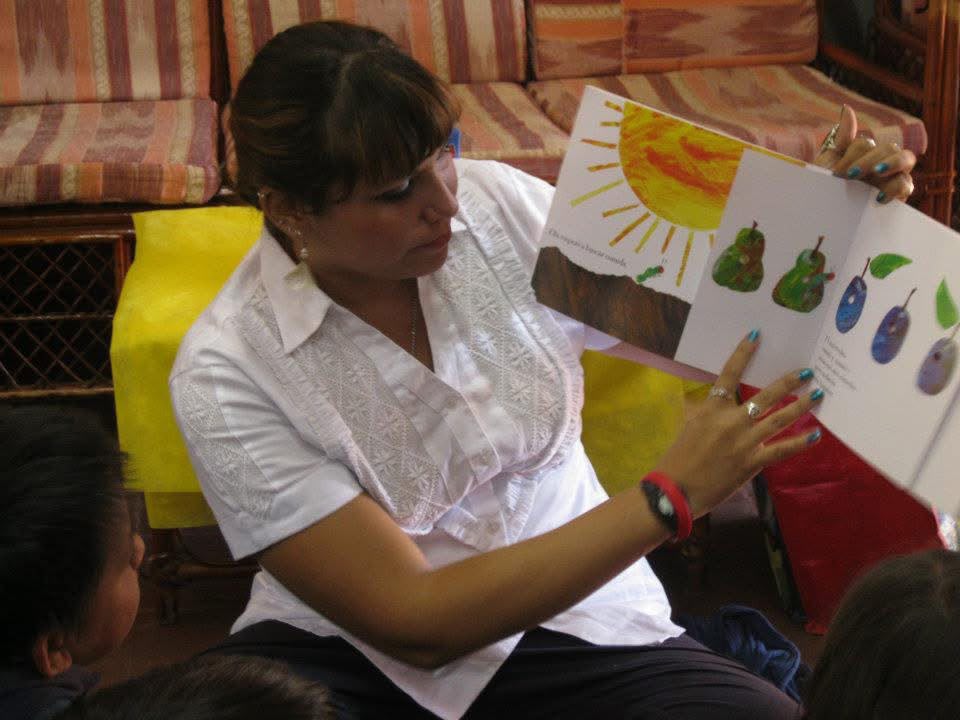
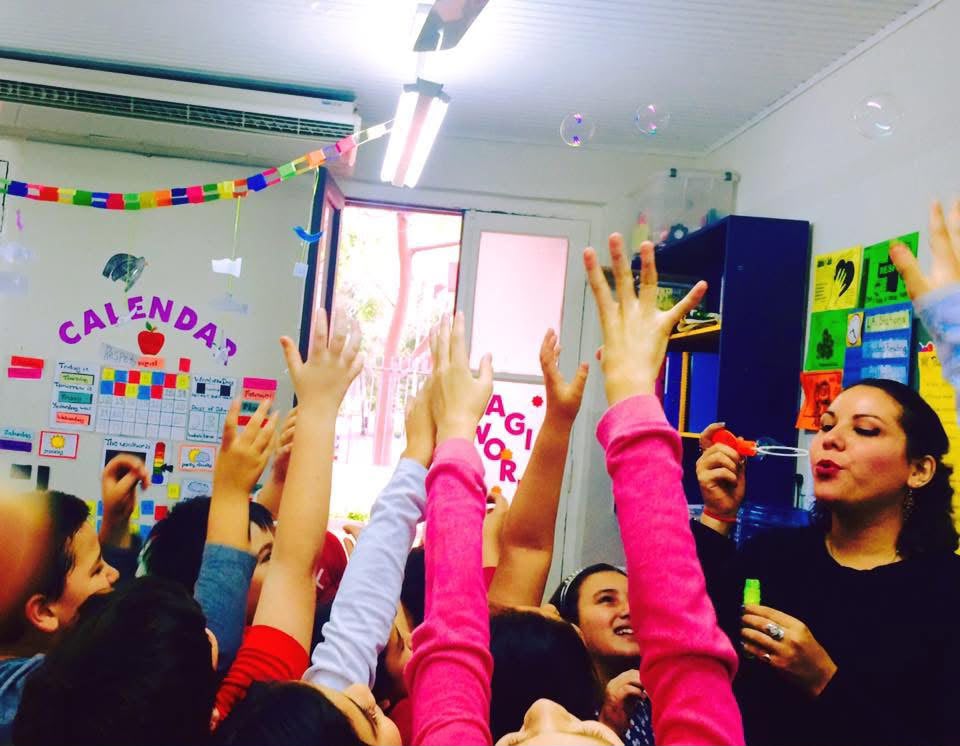
She spent two years living in La Colmena, working as a teacher and teacher trainer before moving to Asunción. Later, she joined the Peace Corps office and eventually taught English at Colegio Internacional, spending almost seven years in Paraguay altogether. Today, back in the United States, Claire directs English education programmes for migrants and refugees through the U.S. Committee for Refugees and Immigrants after years working with unaccompanied children arriving at the U.S. border.
Finding identity beyond a name
Like many internationally adopted Paraguayans, Claire eventually decided to search for her biological mother. Instead, she uncovered evidence of something much larger.
“The person whose name appears on my birth certificate was falsified. Their identity was stolen, and they are not my biological mother. There were networks of social workers, lawyers, and foster families that were involved in these irregularities.”
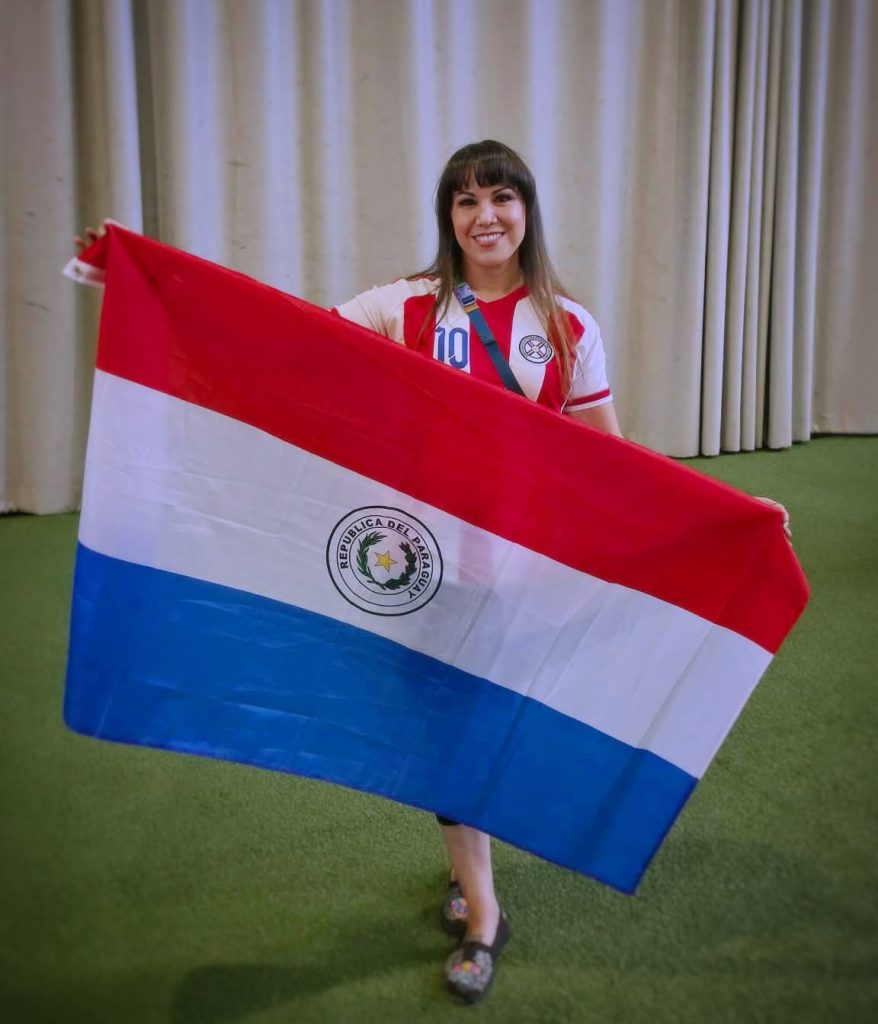
International adoption from Paraguay closed in 1995, but many adoptions carried out during the 1980s and early 1990s have since raised questions about falsified documents, coercion, and missing records. Claire believes her own story reflects a broader historical reality. Unable to discover her biological family, Claire Stiglmeier began looking elsewhere for belonging.
“I decided that because I was not able to find my birth mother, I would try to find my identity in the culture. I began to embrace the idea of Paraguay as not just my motherland, but also as my mother. So many Paraguayans immediately told me, ‘I am your mother now. You are my cousin now. No, no, you are my family. Come over. Vamos a comer‘ (Let’s eat). It was very affirming to be able to go back and be embraced by the people and to feel that love and connection.”
Yet unanswered questions remain. “I would love to know whether a baby was stolen or a mother was coerced. I would love to be able to put someone’s mind at ease that I am okay, that I am alive, and that I am thriving.”
The trauma that often goes unspoken
Claire believes adoption is frequently presented as a story of gratitude while overlooking the lifelong grief many adoptees experience. She points to research showing adoptees face higher rates of depression, anxiety, and suicide, and recalls losing fellow Paraguayan adoptees she met as a teenager.
“The grief and the gratitude can coexist. It is a complicated feeling. It is truly a trauma that is not talked about. We are told that we should be grateful that we are so lucky we were adopted. We are so lucky we had these opportunities. It is a warped message that we have to be grateful for being torn from our families.”
For Claire, acknowledging grief does not diminish the love she has for her adoptive family. “I feel grateful for the opportunities that I have had. But I also have to acknowledge that there is grief. There is that wound that is still always there.”
Bringing others back to Paraguay
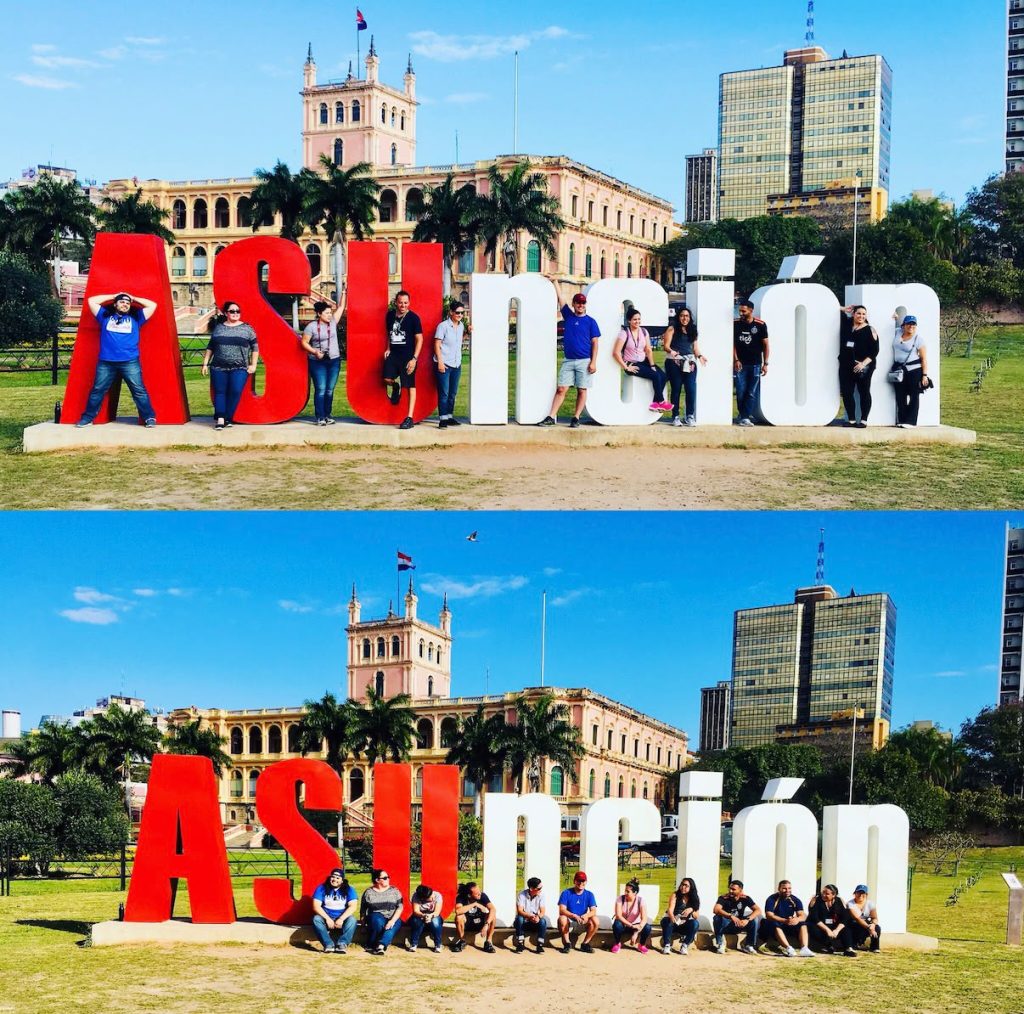
Today, Claire helps lead heritage tours through the Ties Programme, bringing Paraguayan adoptees back to their country of birth. Some participants are visiting for the first time, while others return with spouses, siblings, or even children of their own.
“It is really beautiful to see how, as adults, we process the feelings about adoption. The uncertainty is a little different as a 30-year-old than it is when you are 13.”
The programme has become a place where adoptees build new relationships with one another while reconnecting with Paraguay.
Reclaiming a stolen identity through writing
Claire is also an author who writes under the pen name Clara Elena García. The surname is deliberate. Although García comes from the woman named on her adoption documents, a woman who was later found not to be her biological mother, Claire chose to reclaim it.
“I decided I was going to take it back. I was going to reclaim it and give it a new life as my own identity.”
Her latest literary project explores Paraguay’s seven legendary myths, inspired by the lack of Paraguayan representation she found in collections of Latin American folklore.
A different meaning of belonging
Asked what belonging means today, Claire pauses before answering like the writer she has become. “I think belonging has within it the word longing. Longing is a feeling of grief. It is a feeling of loss, but it is also a feeling of love.”
For adoptees, she believes, belonging is rarely simple. “We have one foot in the United States and one foot on the beautiful, rich, red soil of Paraguay.”
That division never entirely disappears. Yet through heritage trips, friendships, and shared experiences, she watches adoptees create new families of their own.
“I see adoptees forming connections… reclaiming each other as their surrogate family. They call each other hermano or hermana.”
For Claire Stiglmeier, belonging is no longer defined by a birth certificate or a surname. It is found in language, in memory, in community.
You can meet Claire and other participants of the Ties programme on Monday, 27 July 2026 (19:00), at the A Night of Connection event organised by The Asunción Times at restaurant Tavolo del Creatore (España esq. Gral. Santos in Asunción).