

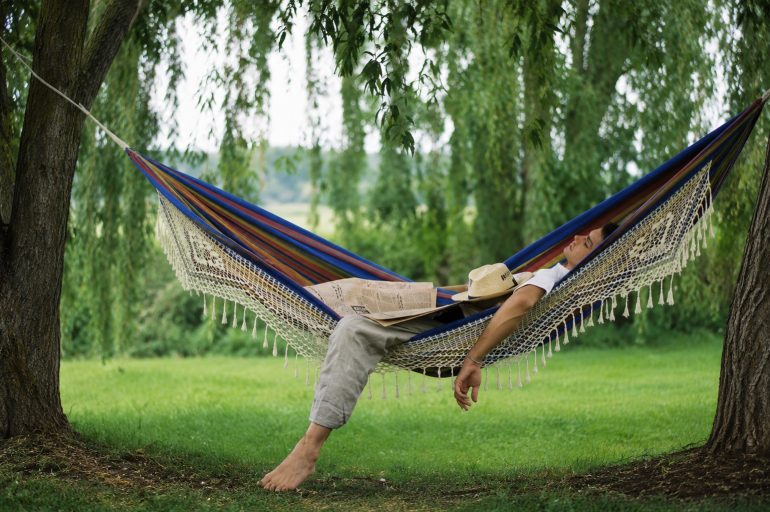

You cannot help but relax in a Paraguayan hammock. As it rocks gently back and forth, worries loosen their grip and the mind begins to wander. There is something about its slow movement that invites memory, reflection, and imagination. Every year on 22 July, the world celebrates International Hammock Day. Woven in vibrant colours and simple cotton alike, Paraguayan hammocks truly stand out, and have long been part of the country’s cultural landscape.
More than a place to rest
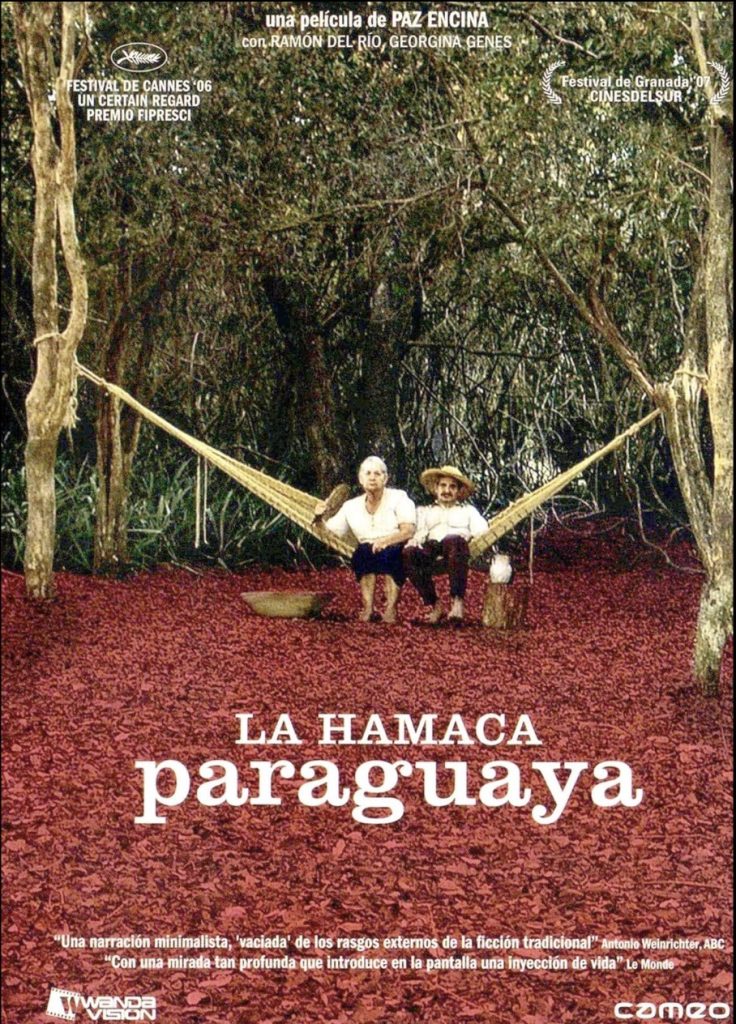
Writers, artists, and filmmakers have long been drawn to the hammock’s symbolism. In Paz Encina’s acclaimed film Hamaca Paraguaya, an elderly couple spend their days sitting in a hammock, peeling mandioca while waiting for their son to return from the Chaco War. Besides it being a resting place; it becomes a vessel for hope, grief, and the endless passage of time.
Author Natalicio González once wrote that the hammock possesses “something of the maternal embrace,” suggesting that it inspires dreams rather than idleness, reflection rather than sleep. In Paraguay, nature has often set the pace of daily life. The hammock became part of that rhythm.
Even today, amid constant notifications and packed schedules, the hammock invites people to pause without asking them to stand still.
A craft through generations
Behind every hammock lies hours of careful work. Artisans weave the Pirayú hammock, perhaps the country’s most celebrated design, entirely by hand on a vertical loom using cotton thread. Sometimes two artisans weave together, combining knotting techniques and colour to create intricate geometric patterns.
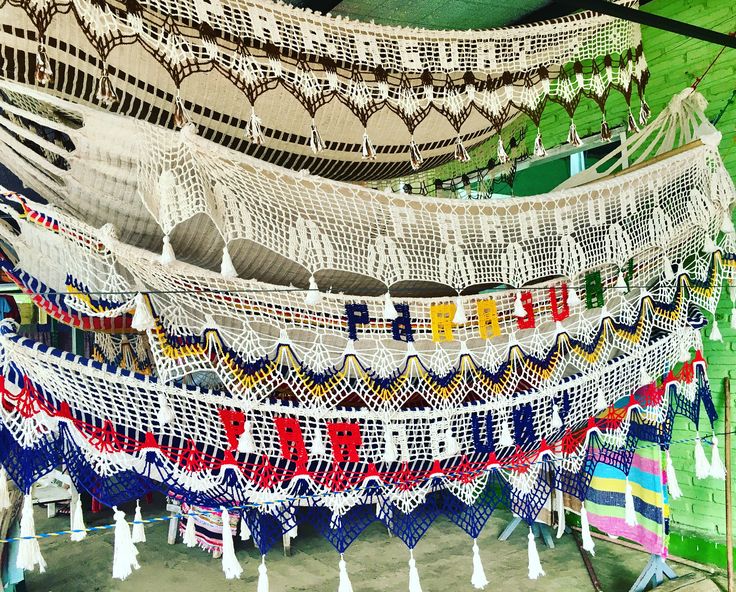
Artisans finish the edges with delicate miñardi or crochet lace, adding details that demand the same precision and skill as the weaving itself. Every hammock is unique, reflecting both technical mastery and personal creativity.
Across regions like Yaguarón Jurú, Cerro León, and Arroyo Servín, women pass the craft from one generation to the next, teaching daughters, nieces, and neighbours to weave. In 2022, the Paraguayan Institute of Handicrafts recognized the Pirayú weaving technique as one of the country’s emblematic craft traditions.
For many people in Paraguay, the first hammock they ever made was not at home, but at school. In the subject Trabajo y Tecnología (Work and Technology), students are introduced to traditional craft techniques such as macramé as part of the national curriculum. Across Paraguay, children learn to weave their own small hammocks in the classroom, gaining both practical skills and an appreciation for the country’s artisanal heritage.
Everyday object to cultural heritage
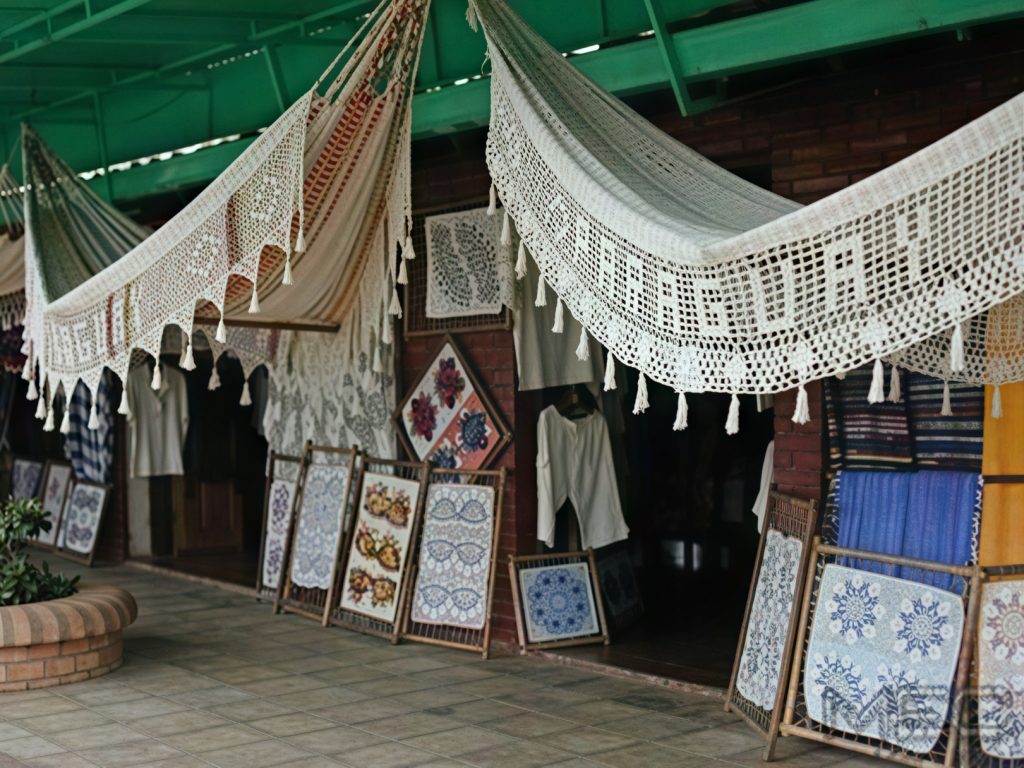
Introduced to the region during the colonial period, hammocks took on a distinctly Paraguayan identity through the work of local artisans. Originally known as kea, meaning “where one sleeps,” the word gradually evolved into kyhá, the Guaraní name still used today.
Its origins remain difficult to trace, but records show that by the nineteenth century Pirayú had already become renowned for its hammock production. The tradition extends beyond Pirayú. Communities like Carapeguá, San Miguel, and Itauguá continue weaving, selling, and using hammocks every day.
This tradition received national recognition in 2024, when the National Secretariat of Culture declared the Pirayú hammock an Intangible Cultural Heritage of Paraguay through Resolution SNC No. 489/2024. The declaration celebrating the generations of artisans whose knowledge continues to keep the tradition alive.
Many stories, one thread
Few objects capture Paraguay as completely as the hammock. It embodies inherited craftsmanship, shared family rituals, artistic inspiration, and traditions that continue to bridge the country’s past and present.
Long after the final knot is tied, the Paraguayan hammock continues its journey, from artisan workshops to family homes, from childhood lessons to cultural heritage, linking generations through a tradition that is still very much alive.
Also read: The tradition of sharing Paraguayan crafts has also found new paths. Through her YouTube channel Manos Paraguayas, Gisele Baddouh helps preserve textile arts such as Ñandutí and Encaje Jú, connecting generations of learners around the world.

