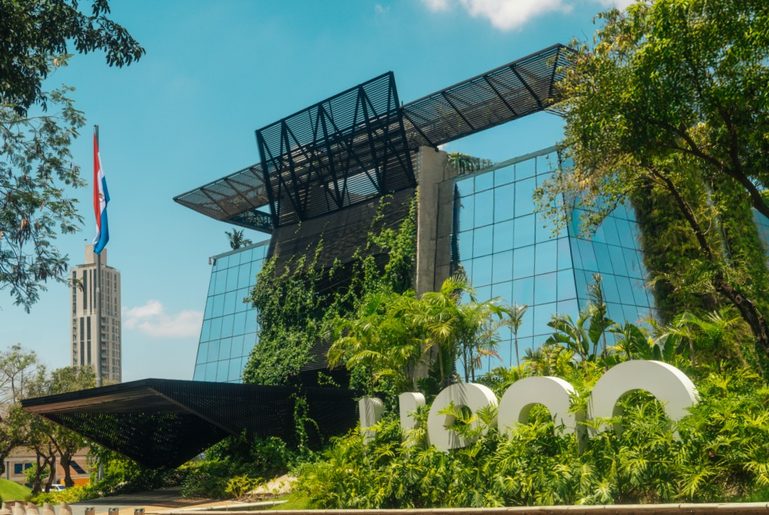

Ueno Bank was hard to miss in Paraguay. Its green logo appeared on football shirts, stadiums, rally stages, concerts and millions of phone screens. On 3 November 2026, the Central Bank of Paraguay (BCP) began a formal resolution procedure for the bank. The regulator said adjustments to Ueno’s financial statements had pushed its solvency ratio below half of the required minimum, and that sealed the fall of Ueno Bank: Almost three million customers were suddenly unable to use their accounts.
The decision marked an abrupt reversal for one of Paraguay’s fastest-growing financial brands. Ueno’s public story had lasted less than five years, although the businesses behind it had much older roots.
The roots of Ueno Bank
Ueno was not a start-up created from scratch. After Grupo Vázquez acquired the established Financiera El Comercio, the business launched publicly on 28 February 2022 as Financiera Ueno. The group already had experience in consumer finance through Credicentro, while technology company ITTI had been developing financial software since 2004.
In November 2023, the BCP authorised the company to operate as a bank. Its expansion accelerated in 2024 when it absorbed Visión Banco, giving the digital brand the customers, deposits, loans and physical presence of an established lender. S&P Global Ratings later described the transaction as transformational for Ueno’s business profile.
The bank that grew almost overnight
By June 2026, Ueno reported 2.94 million customers. In October, it said it had reached three million, alongside 2.4 million debit cards, 1.1 million credit cards and 510 million transactions during 2026. The bank also claimed fifth place in Paraguay’s financial system for deposits, loans, equity and profits.
International investors also took notice. S&P had assigned Ueno a BB rating with a stable outlook, highlighting its digital model and strong branding but also warning that rapid expansion could create additional risks.
Cashback, football and constant visibility
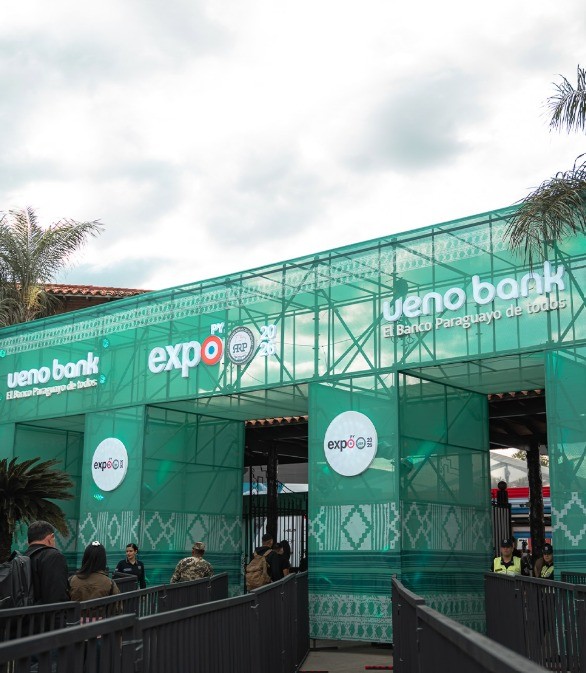
Cashback became one of Ueno’s most recognisable tools for attracting and retaining customers. Its rewards programme offered increasingly generous benefits as customers used their cards, paid bills and interacted with the app.
But Ueno’s expansion went well beyond financial products. In August 2023, the Paraguayan Football Association (APF) made Ueno the main sponsor of Paraguay’s national football team and most APF competitions. The association said “the partnership would use football to promote financial inclusion and digital payments”.
In 2024, Ueno also became an official sponsor of the Conmebol Sudamericana, alongside international brands including Coca-Cola, Mercado Libre and EA SPORTS. The deal was due to run until December 2026.
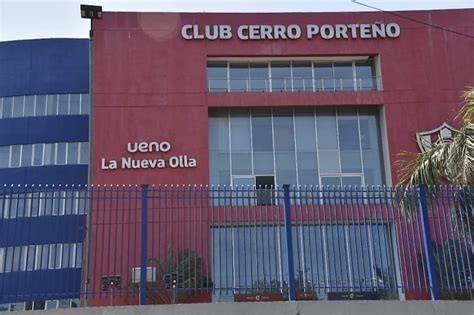
Ueno’s name appeared on major Paraguayan stadiums and partnerships involving leading clubs Olimpia and Cerro Porteño. It also sponsored Paraguay’s round of the World Rally Championship and expanded into concerts and entertainment.
For many Paraguayans, Ueno was no longer simply a bank. Its green branding had become part of the country’s everyday visual landscape.
An ecosystem beyond banking
Behind the bank sat a broader technological and financial ecosystem. ITTI developed financial technology, while Wepa and UPay operated in payments and processing. Shortly before the resolution, Ueno said it held less than 50% of both companies and that neither was a subsidiary, while describing them as strategic elements of its integrated financial ecosystem.
Ueno’s reach extended beyond individual consumers. It handled payments for tens of thousands of retirees and became a destination for significant institutional and public-sector funds. The scale meant that by 2026, problems at Ueno had potential consequences far beyond users of its mobile app.
Growth comes under scrutiny
Warning signs emerged as the bank continued expanding. In December 2025, S&P Global Ratings said rapid growth could expose Ueno to additional risks. It also pointed to challenges associated with the loan portfolio inherited from Visión Banco.
Scrutiny intensified during 2026 over Ueno’s financial position and transactions involving related companies. Shortly before the resolution, the bank was seeking additional capital.
The contrast was striking: an institution that had rapidly accumulated millions of customers, extensive sponsorships and national visibility was simultaneously facing increasing questions about the financial foundations supporting that expansion.
The fall of Ueno Bank
The reversal came quickly. On 2 November, the Central Bank of Paraguay (BCP) unanimously decided to begin a formal resolution procedure. The decision was announced early the following day. The regulator said adjustments made during a regularisation process had pushed Ueno Bank’s solvency ratio below 50% of the required minimum.
The Deposit Guarantee Fund protects eligible deposits up to ₲228.3 million per depositor and financial institution. The BCP said the measure was intended to protect depositors and described Ueno Bank as an isolated case, rather than evidence of wider instability in Paraguay’s financial system.
The resolution also brought changes at the central bank. Carlos Carvallo, who had previously chaired Financiera Ueno, submitted his resignation as BCP president on 3 November.
The logos start coming down
The fall of Ueno Bank soon became visible beyond the financial sector. Ueno branding began disappearing from sporting venues and institutions. Signs were removed and several organisations began ending their commercial ties with the bank.
The symbolism was difficult to miss. Ueno had built its rise around being almost impossible to avoid, from mobile banking and cashback to football, stadiums and major events. Within days of the resolution, the green logo that had spread across Paraguay was already disappearing.