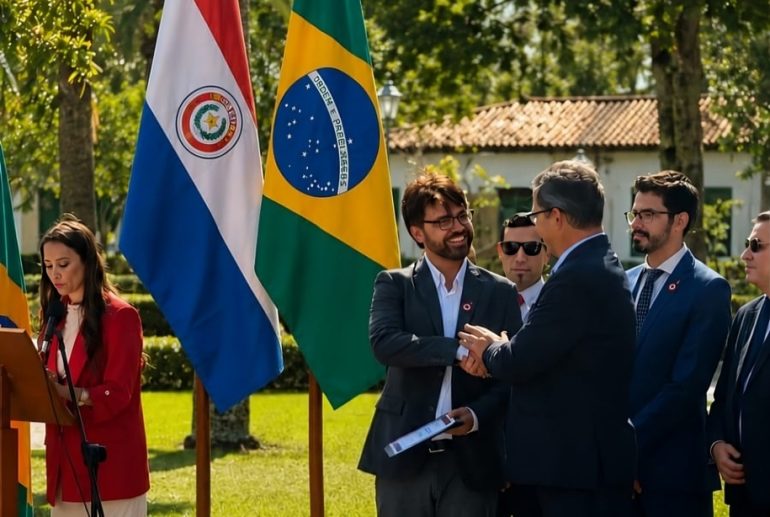

After growing up watching Brazilian soap operas from Paraguay’s border region, Paraguayan actor Rodrigo Calonga built a career in Brazil’s entertainment industry and was recently honoured in Rio de Janeiro for representing Paraguayan culture abroad.
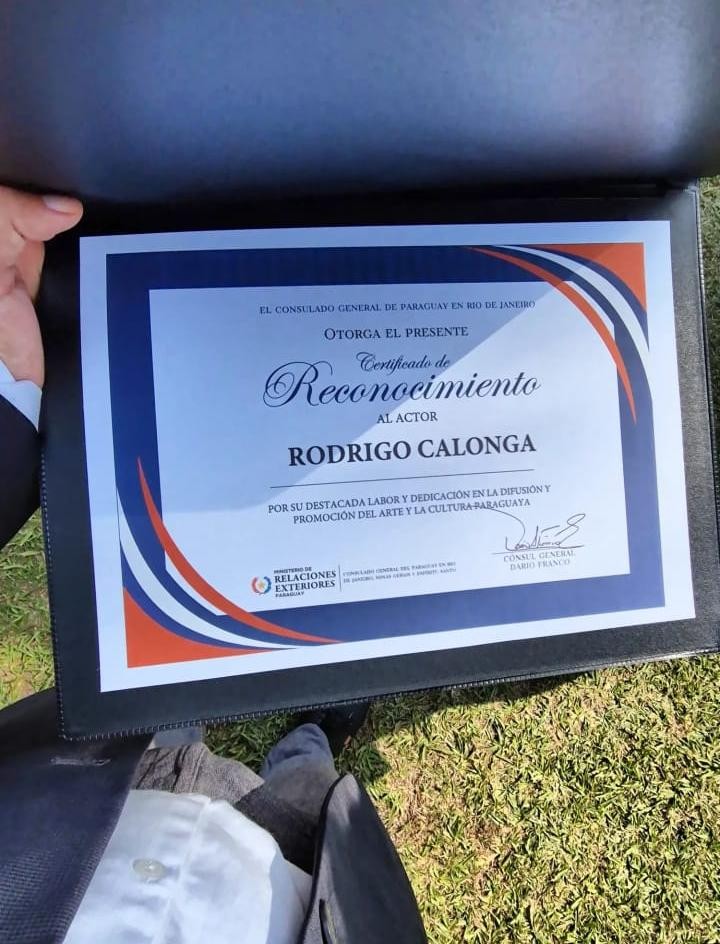
On 14 May 2026, the Paraguayan Consulate General in Rio de Janeiro recognised him for Arts and Culture. The honour acknowledged his work with Netflix, Disney and Globo, and his promotion of Paraguayan culture abroad.
From Pedro Juan Caballero to International Productions
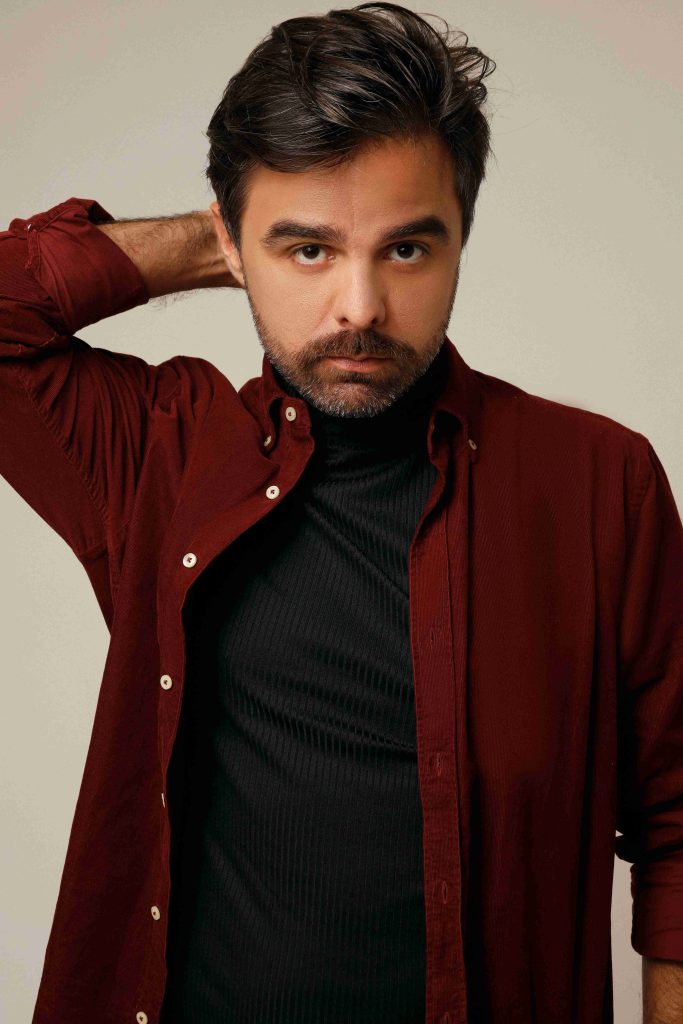
The ceremony, held as part of Paraguay’s annual Independence Day commemorations, carried personal significance for Calonga, who grew up in Pedro Juan Caballero, a border city in north-eastern Paraguay.
“I come from Pedro Juan Caballero and it moves me deeply that this news can reach my city,” Calonga tells The Asunción Times after receiving the award. “I hope my story can inspire other young people to believe that dreams can cross borders.”
The recognition was created by Consul Carolina Ferreira to celebrate Paraguayans making an impact in different professional fields from abroad. For Calonga, it also represented visibility for the Paraguayan community living outside the country.
The years nobody saw
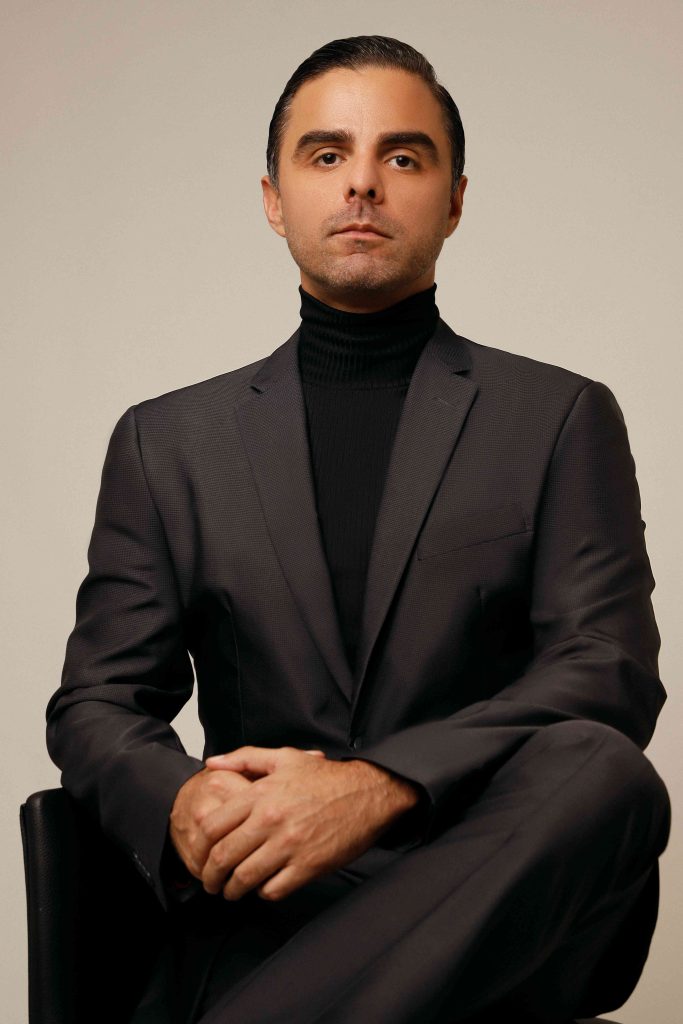
Long before international productions and red carpets, Calonga was a child watching Brazilian soap operas on Globo from his grandmother’s living room in Pedro Juan Caballero, imagining himself on screen one day.
That dream eventually led him to Rio de Janeiro in 2016, though the path was far from easy. “The years nobody saw were the hardest,” he continues. “People see the series premiere or the red carpet, but they do not see the silent years of struggle.”
After moving to Brazil, Calonga spent years studying, attending castings, taking acting classes, and perfecting his Portuguese. Alongside acting, he taught theatre and worked professionally in therapy and mental health support.
Before leaving Paraguay, he had already built a strong artistic foundation. He studied Communications at the Universidad Nacional de Asunción, performed extensively at Teatro Arlequín, and taught at El Estudio, a theatre school in Asunción.
Rebuilding a life abroad
Yet he says the biggest challenge was not professional rejection, but rebuilding his life in another country. “Migrating is not only changing countries; it is rebuilding yourself entirely, there were moments when I felt like a foreigner everywhere.”
Over time, the persistence paid off. Calonga began landing roles portraying not only Paraguayans, but also Colombian, Venezuelan, Argentine and Mexican characters in Brazilian productions. He has additionally appeared in international advertising campaigns.
“Identity not an obstacle”
One issue Calonga frequently encounters is the limited understanding of Paraguay within international entertainment industries.
Netflix invited him to dub Paraguayan dialogue for Argentine actors, an experience he says reflects how Paraguay is often portrayed through an outsider’s lens.
Outside Paraguay, he says many people know little about the country beyond stereotypes, though curiosity often emerges once he introduces aspects of Paraguayan culture. “When I say I speak Guaraní, people are very surprised,” he says. “They love it. They ask me words and expressions, and they want to hear how it sounds.”
Representing Paraguay abroad
Those conversations have become opportunities to share Paraguayan traditions, food and celebrations, including Tañarandy during Holy Week. He also finds himself correcting a common mistake abroad: Paraguay is written with a Y, not an I.
Early in his career, he felt pressure to suppress his identity to fit into the industry. “At first you think you need to change many things to belong. But over time I understood something very important: my identity is not an obstacle; it is my differential.”
A message for young Paraguayans outside the Capital
Calonga says he understands the feeling many young Paraguayans outside Asunción experience, particularly in cities such as Pedro Juan Caballero, where opportunities can seem geographically and socially distant.
“I grew up far from the capital and I know what it feels like to think that opportunities are always somewhere else. But talent is not born only in big centres. Dreams do not have a postcode either.”
If he could speak to his younger self, he says the message would be simple: “Do not be afraid. It will hurt, it will be difficult, and you will think many times about giving up. But keep going. Never stop feeling proud of who you are and where you come from.”
Looking ahead
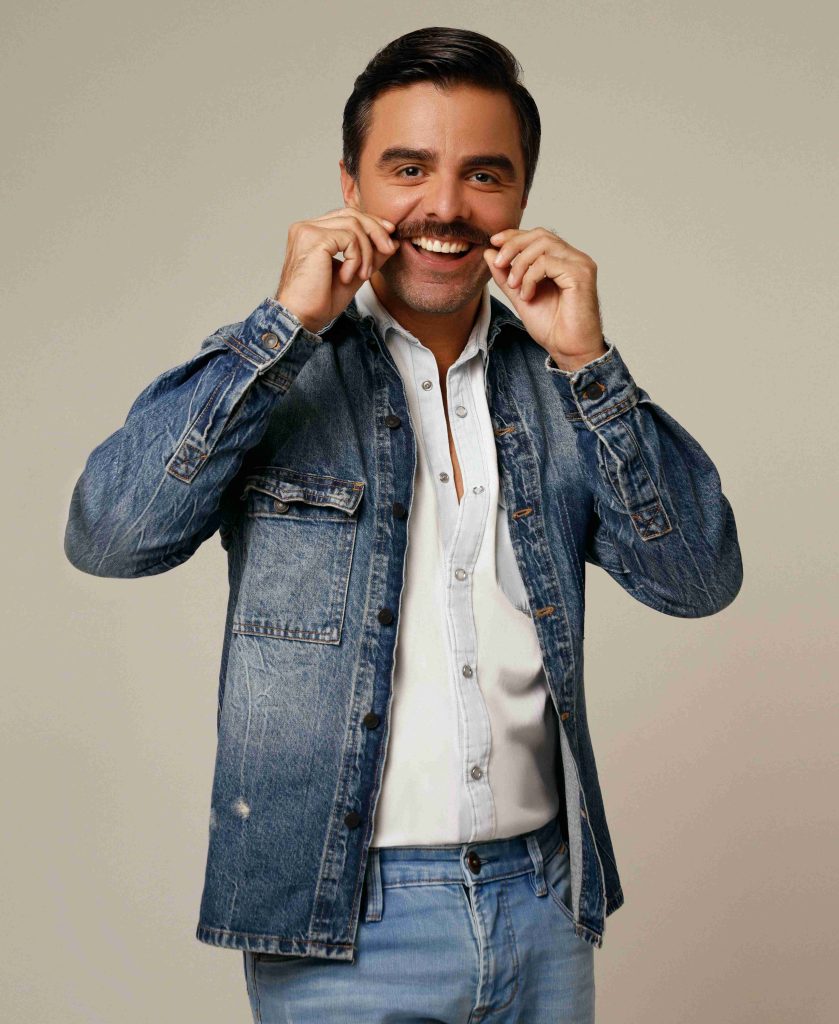
Calonga also works in mental health and therapy, which he hopes to merge with the arts in future projects. He hopes to establish an arts centre in Paraguay focused on artistic expression and mental health support. His goal is to make these resources accessible to underserved communities.
“I deeply believe that art and mental health should be accessible to everyone,” he said. “I have seen many times how art can transform lives, and I would like to give back a little of everything I have received.”
For now, the boy from Pedro Juan Caballero who once watched Globo from his grandmother’s sofa continues living the dream he imagined as a child, only now, from the other side of the screen.
Also read about how Paraguayan production designer Christian Díaz de Bedoya helped bring the Pluribus series to life.