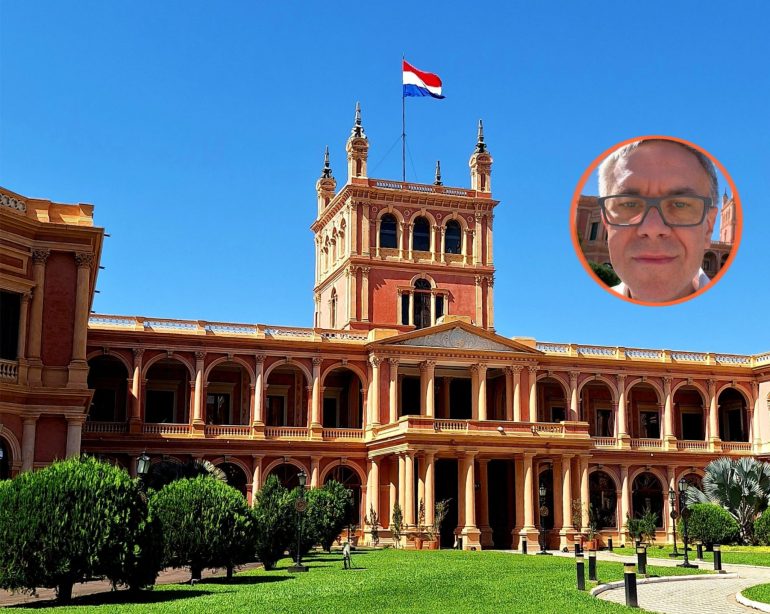

Paraguay said yes when no other country would. In February 2022, an American lawyer arrived in Asunción, hoping to find a home for a group of families fleeing the Taliban in Afghanistan. The government’s answer to the Afghan refugees came within days. Douglas Hauer-Gilad, an immigration lawyer from Boston, said the decision gave a group of teenage girls a safe place to grow up, and a future they would not have had in Afghanistan.
Now he shares his story with The Asunción Times, describing it as one of the most meaningful experiences of his life.
The search starts
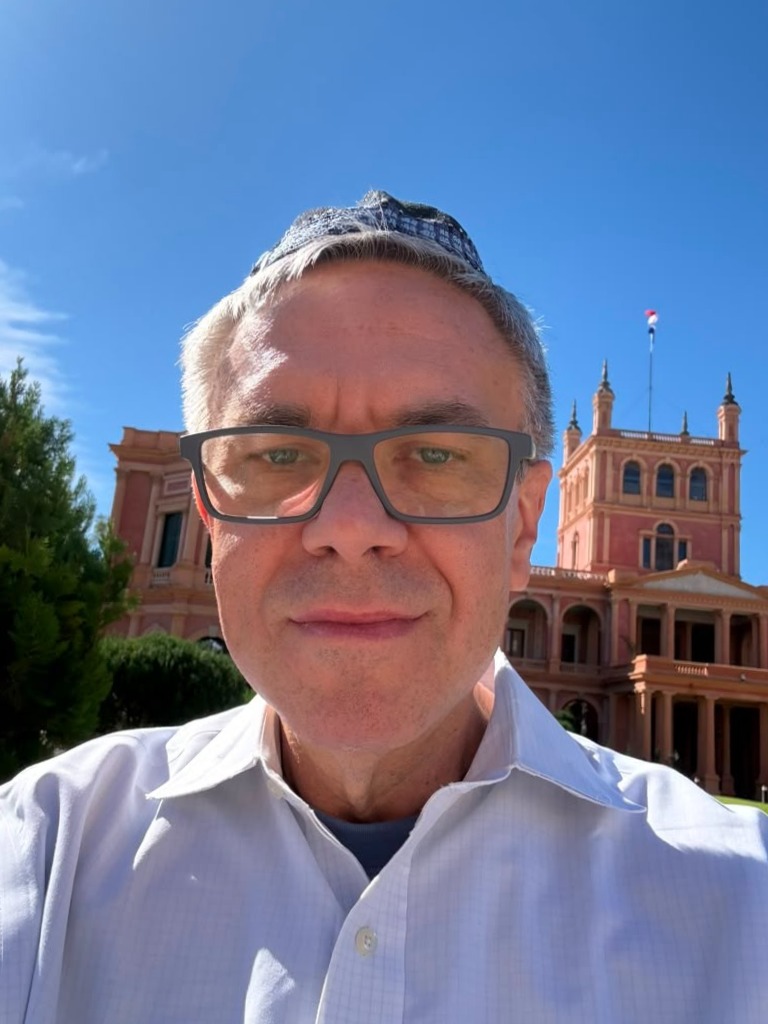
Hauer-Gilad is a dual American-Israeli citizen who has practised immigration law since 2001, helping people fleeing persecution or seeking a better future in the United States. He retired from his law firm in 2025, and is now studying to become a rabbi, a path he said has deepened his lifelong commitment to protecting people in danger, a value he sees reflected across faiths. “Islam also values protecting people who are in danger and sheltering people,” he says. “Christianity believes in sheltering people and sheltering strangers who come into your borders.”
That commitment took on new urgency after the Taliban took control of Afghanistan in August 2021. Hauer-Gilad had worked closely with an American-affiliated organisation in the country, and he began helping several of its Afghan staff and their families plan an escape. Reaching Kabul’s airport was extremely dangerous at the time, and thousands of families chose to remain in hiding rather than risk the journey.
Approaching other countries
By the end of 2021, the pathway into the United States had become caught up in bureaucratic delays. Authorities had initially admitted tens of thousands of Afghan refugees, but changes to policy left many families waiting without a clear route forward. Hauer-Gilad began approaching other countries, moving from one to the next in search of one willing to help. In February 2022, he travelled to Paraguay and raised the case directly with the government, including contacts in the office of Paraguay’s First Lady.
“Paraguay did something that no other country would do,” he says. The government, he explains, agreed almost immediately, without lengthy negotiation, to take in three families, among them seven school-age daughters. He does not disclose the identities of the families for their protection.
Hauer-Gilad links the decision to Paraguay’s history during and after the Second World War. Despite its own limited resources at the time, the country opened its doors to Jewish people fleeing Nazi persecution, and Paraguayan diplomats in Europe issued protective passports to Jews. “There is a history of Paraguay protecting people who flee persecution. And I am so mindful of this history.”
From Islamabad to Asunción
The families left Afghanistan for Pakistan, where they faced further bureaucratic delays before finally departing at the end of April 2022. Their journey to Paraguay involved several connecting flights, from Islamabad to Istanbul, then to São Paulo, and finally to Asunción. At one stage in Istanbul, an administrative error nearly prevented one of the girls and one of the fathers from boarding their flight. Hauer-Gilad says he had to press the airline to let them through.
The group of fifteen Afghan refugees arrived in Asunción in early May 2022. Hauer-Gilad says he still finds it difficult to speak about that day without becoming emotional. He describes the families as frightened, having spent months fearing for their lives. At the border, he says, officials treated them with the same warmth they had always shown him on previous visits, without reacting to their Afghan passports. “That, to me, stays with me as something that just is a testament to Paraguay.”
New lives for Afghan refugees in Paraguay
More than three years on, Hauer-Gilad says the families have settled fully into Paraguayan life. The children, who arrived without speaking any Spanish, now speak fluently, and with Paraguayan accents. One of the girls is currently at university, studying to become a medical professional. Another lawyer familiar with the case told Hauer-Gilad that the children are now, in every sense, from Asunción. “No foreign accent. They are perfect.”
One family has since moved to Canada for professional reasons connected to the father’s career, though Hauer-Gilad says they remain deeply grateful to Paraguay. “I visit the country every year and I am planning to organise a medical delegation from Boston to Paraguay in the coming year.”
Memories that remain
Hauer-Gilad says the bond the girls have formed with Paraguay is unmistakable. He recalls how they wore Paraguay shirts and supported the national team during the World Cup. “It is not contrived. It is not intellectual. It is emotional.” He adds, simply: “Paraguay has given these girls life.”
Small moments have stayed with him too. During a recent visit, a waiter refused to accept a tip he thought was too generous. “That is Paraguay,” Hauer-Gilad says. He also visited Asunción’s Holocaust Museum during this trip, a place he said represents the same spirit of welcome his families experienced decades later.
A message for Paraguay
Asked what he would like Paraguayans to take from the story, Hauer-Gilad urges the country to remain open to immigration. He argues that this openness could help Paraguay attract international investment and technology, including potential data centres and foreign companies seeking to establish a base in Asunción.
“Keeping Paraguay open is the key to Paraguay building the strongest, most vibrant future,” he concludes, describing Paraguay as “a country of heroes” for its example of welcoming strangers. He adds that Paraguay, alongside Israel, is now one of only two places that stir strong emotion in him whenever he arrives.
“I wish the entire world would look at Paraguay to take a lesson about what it means to welcome strangers. Paraguay wins the World Cup in humanity.”
You might also like The Asunción Times series Mennonites in Paraguay. Read #1 : The Mennonite Path To The Paraguayan Chaco.