
Paraguay’s economy concluded 2025 on a strong footing, marking a full year of uninterrupted growth across all its sectors. The Central Bank of Paraguay announced that economic activity increased by 5.9% in December, capping twelve consecutive months of expansion. This sustained performance underscored a period of significant economic resilience and diversification for the nation.
The comprehensive data was released as part of the bank’s regular economic monitoring. Furthermore, the report highlights the broad-based nature of the recovery and growth, with primary industries, manufacturing, construction, and services all recording positive figures. This consistent upward trend has consequently reinforced the Central Bank’s revised forecast of 6% GDP growth, solidifying a robust economic outlook as the year concluded.
Paraguay’s Economy: Notable resilience in primary sector
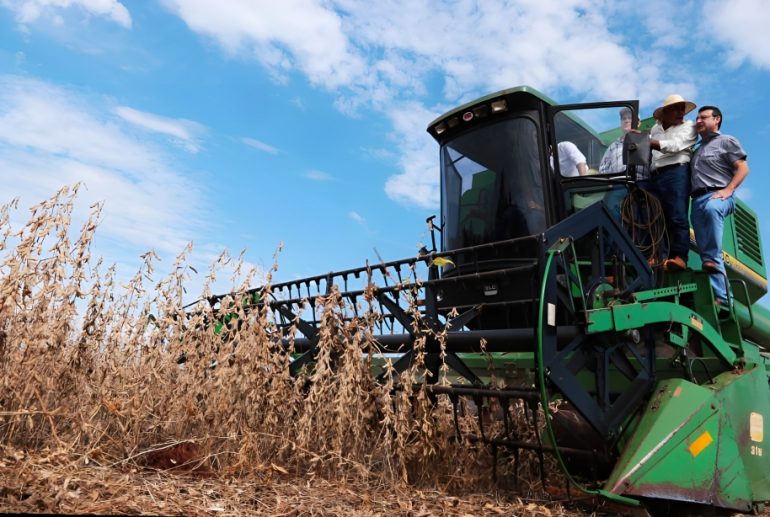
The primary sector, which includes agriculture and livestock, was a significant contributor to the year’s success, registering a cumulative growth of 10.2%. This expansion was largely driven by strong performance in non-traditional agricultural areas. Specifically, the country achieved a record production of maize, which was complemented by increased yields for other key crops such as wheat, rice, and cotton. This diversification proved crucial for the sector’s stability.
In addition to crop production, the livestock industry also showed positive results, particularly in the processing of pork and poultry. The growth in these areas was substantial enough to mitigate the impact of lower production figures for soy and beef, which are traditionally dominant exports. Consequently, the ability of emerging agricultural products to offset declines in established ones points towards a more resilient and adaptable primary sector.
Construction and manufacturing drive secondary sector growth
The secondary sector experienced a noteworthy year-on-year expansion of 6.8%, with construction emerging as the principal engine of this growth. A considerable increase in both public and private sector projects fuelled activity, benefitting the entire supply chain and creating employment. The investment in infrastructure and property development was a clear indicator of rising confidence within the domestic economy.
Meanwhile, the manufacturing industry posted an impressive interannual increase of 8.2%, with a 5.7% rise in the month of December 2025 alone. This growth was widespread across numerous sub-sectors. Positive results were recorded in the production of oils, dairy products, sugar, milled goods, and baked products.
The beverage and tobacco industries also expanded, alongside paper, leather, and footwear manufacturing. Furthermore, heavy industry performed well, with gains in the fabrication of non-metallic minerals, common metals, metal products, and machinery and equipment. The only area to register a slight downturn was the generation of electrical energy.
Services industry posts solid gains
Paraguay’s services sector also contributed significantly to the positive economic landscape, achieving an overall increase of 4.7%. The growth reflected positive dynamics across a wide array of service-based industries. Financial intermediation showed robust activity, suggesting a healthy flow of capital and investment throughout the economy.
Other key service areas also flourished. These included transport, telecommunications, and household services, all of which benefitted from increased consumer and commercial activity. The hospitality sector, including restaurants, and the real estate market also saw positive trends, further confirming the broad scope of the year’s economic expansion. The collective performance of these varied services highlights a dynamic and evolving component of the national economy.
Consolidated growth confirmed by key indicators
The sustained economic performance throughout 2025 has firmly consolidated the country’s growth trajectory. The data supports the Central Bank’s upward revision of its GDP growth forecast to 6%, reflecting a stronger-than-expected economic climate. This consistent expansion across diverse sectors provides a solid foundation for future development.
To provide a more detailed view, the Central Bank also highlighted figures from its Indicador Mensual de Actividad Económica (Monthly Economic Activity Indicator), or IMAEP. According to this specific index, the economy grew by 5.4% when excluding the energy generation from binational entities. This metric is considered a key measure of the underlying health of the domestic economy, as it removes the potentially volatile influence of large-scale energy exports, thereby confirming the intrinsic strength of Paraguay’s internal economic engine.