
More than five million people are eligible to vote in the 2026 Paraguayan Municipal Elections, which are scheduled to take place on Sunday, 4 October 2026. The Superior Tribunal of Electoral Justice (Tribunal Superior de Justicia Electoral, or TSJE), the country’s main electoral body, announced that a total of 5,043,154 electors are registered to participate across 263 districts.
The TSJE also detailed the extensive technical, human, and logistical plans in place for the election day.
Logistical preparations for the polls
To accommodate the electorate, a total of 14,711 polling stations will be set up in 1,187 voting locations nationwide. The process will be supported by a significant deployment of technology. A total of 17,992 electronic voting machines are being prepared for the elections. Of these, 14,711 will be used directly at the polling stations, with a further 2,094 held in reserve as a contingency.
In addition to the machines for election day, 1,187 units will be specifically used for training purposes to familiarise both staff and the public with the voting process. This preparation is part of the TSJE’s effort to ensure a transparent and efficient election.
The operational plan also includes the “Voto en Casa” (Vote at Home) initiative, a key component of the Accessible Vote programme. This scheme is designed to ensure that citizens with mobility issues or other disabilities can exercise their right to vote. For this purpose, 26 dedicated voting machines will be deployed across 21 polling stations in 19 cities throughout the country, bringing the vote directly to those who cannot travel to a polling location.
Highly contested 2026 Paraguayan Municipal Elections
Voters will elect 263 mayors and 5,664 members of the country’s Juntas Municipales (Municipal Boards), including both principal and substitute members. The Municipal Boards serve as the legislative and oversight bodies within local government, similar to a city council. The election has drawn a large number of candidates from across the political spectrum.
There are 630 candidates running for mayoral positions. Furthermore, more than 18,000 individuals are competing for seats as municipal councillors, both as principals and substitutes. In total, the names of 9,804 candidates will appear on the screens of the voting machines. The officials elected will serve a five-year term, from 2026 to 2031.
Extensive human resources deployed
A significant number of personnel will be required to manage the election smoothly. The Electoral Justice authority anticipates the involvement of 1,196 voting location coordinators and an equal number of staff for the Transmission and Scanning Centres (CTX). These centres are crucial for processing and transmitting preliminary results.
Additionally, the operation will be supported by 2,064 technical support staff, 2,064 logistics personnel, 1,187 on-site trainers, and 1,187 officials to manage help and information desks at voting locations. This large-scale deployment of technological, logistical, and human resources underscores the TSJE’s commitment to ensuring the proper conduct of the 2026 Municipal Elections, which will mobilise millions of voters nationwide.
Eligibility rules for non-citizens
Paraguay’s Constitution and the Electoral Code give foreigners with permanent residency the same voting rights as citizens in municipal races (mayor/intendente and municipal council). They can also run for those local offices.
Requirements:
- Permanent residency (not temporary);
- Age 18 or older;
- Inscribed in the Permanent Civic Registry (Registro Cívico Permanente), specifically on the foreigners’ roll.
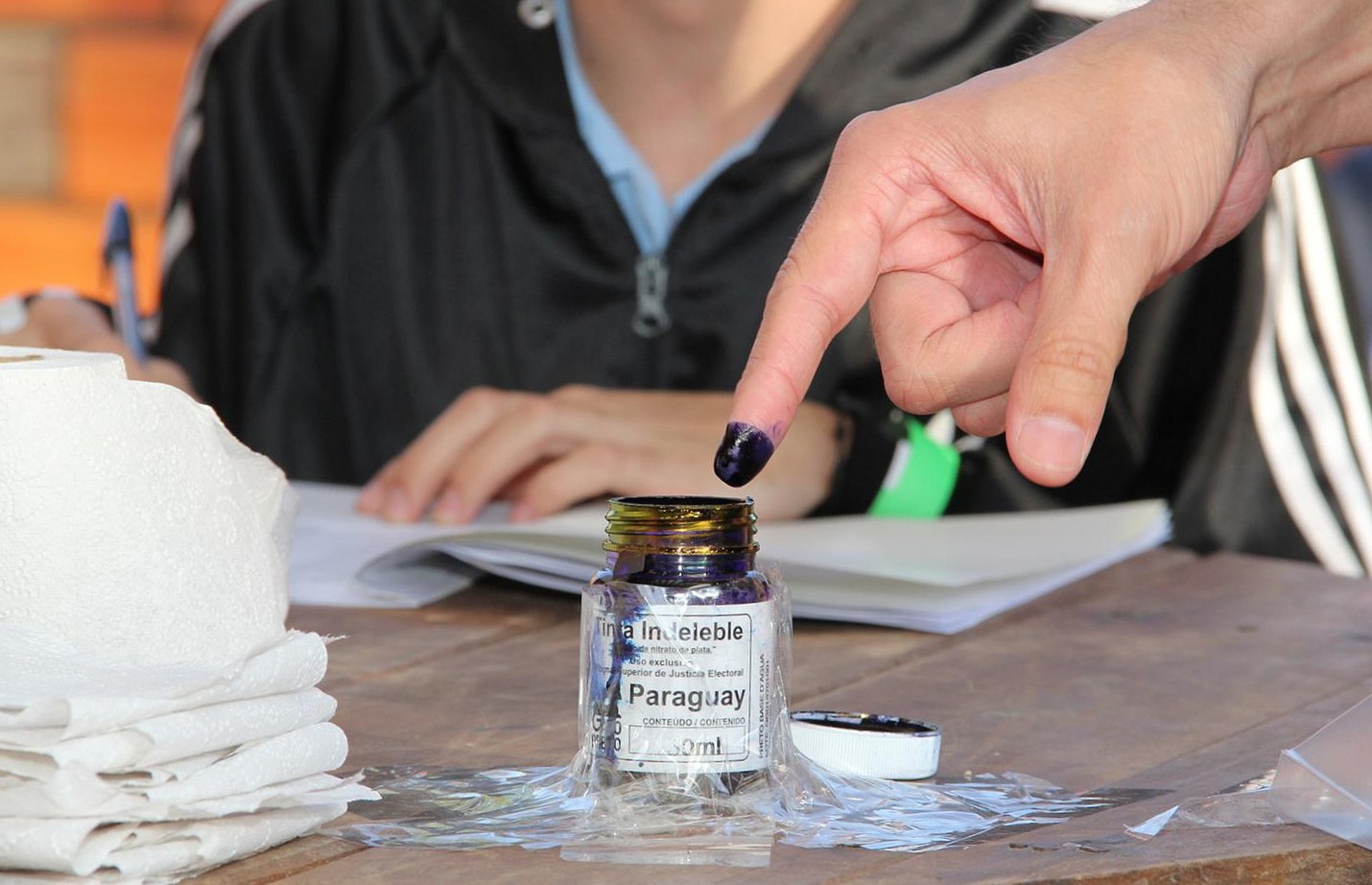
Temporary residents and people without legal permanent status generally cannot vote. Identification at the polls is still done with the Paraguayan ID card (cédula), same as for citizens. Voters have their finger marked with indelible ink after voting to help prevent someone from voting more than once.
Also read: The Making Of Modern Paraguay: A Historical Timeline Of Triumphs And Tragedies.