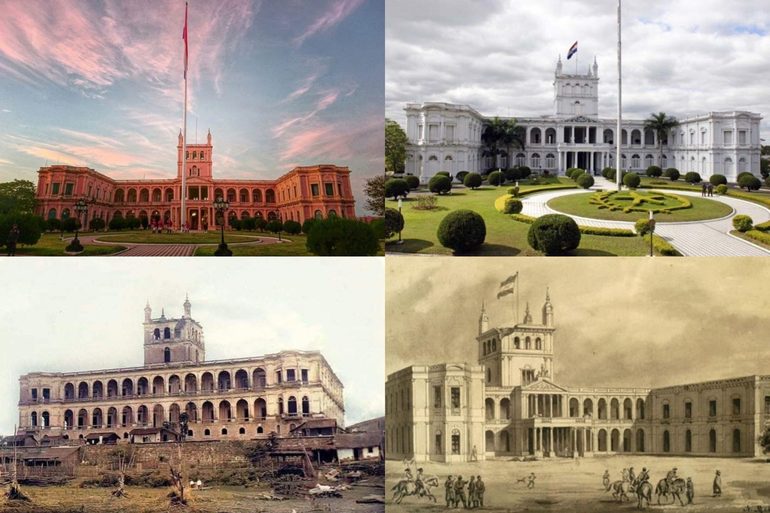

Overlooking the Paraguay River near the bay of the country’s captial, the Palacio de López in Asunción is one of Paraguay’s most recognisable landmarks. Located in the historic centre of the country’s capital, this striking palace is closely associated with Paraguay’s history and national identity.
However, the Palacio de López is not the president’s private home, nor is it the centre of the country’s day to day government activity. Instead, its importance lies in its history, architecture and symbolic place in public life.
From ambition and conflict to reconstruction
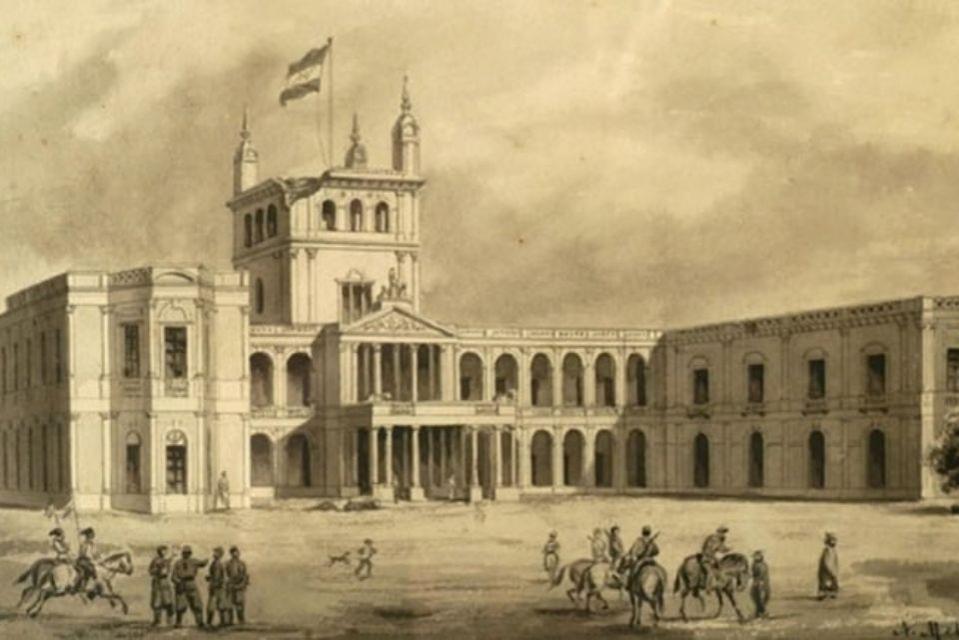
Construction began in 1857, during the presidency of Carlos Antonio López, who intended the building to become a residence for his son, Francisco Solano López. Yet the War of the Triple Alliance (1864-1870) interrupted the project, leaving the palace damaged and its original purpose unfulfilled.
The building was later restored and became associated with the presidency, before evolving into one of the defining symbols of Asunción and Paraguay. Its story traces a path from ambition and conflict to reconstruction.
A palace built for a future President
The Palacio de López in Asunción emerged during a period when Paraguay was investing in modernisation. President Carlos Antonio López, who governed from 1844 to 1862, promoted infrastructure projects and brought foreign specialists to the country. The residence planned for his son reflected these ambitions, combining a grand design with materials sourced from different parts of Paraguay.
Francisco Solano López became president in 1862. However, the building intended as his home would never fulfil that purpose. Accounts of its architectural origins also differ, some attribute the design to the Italian architect Alejandro Ravizza, while others credit Francisco Wisner de Morgenstern.
The English architect Alonso Taylor is associated with directing construction. As surviving accounts disagree about the original design, the question of architectural attribution remains unresolved.
War, damage and abandonment
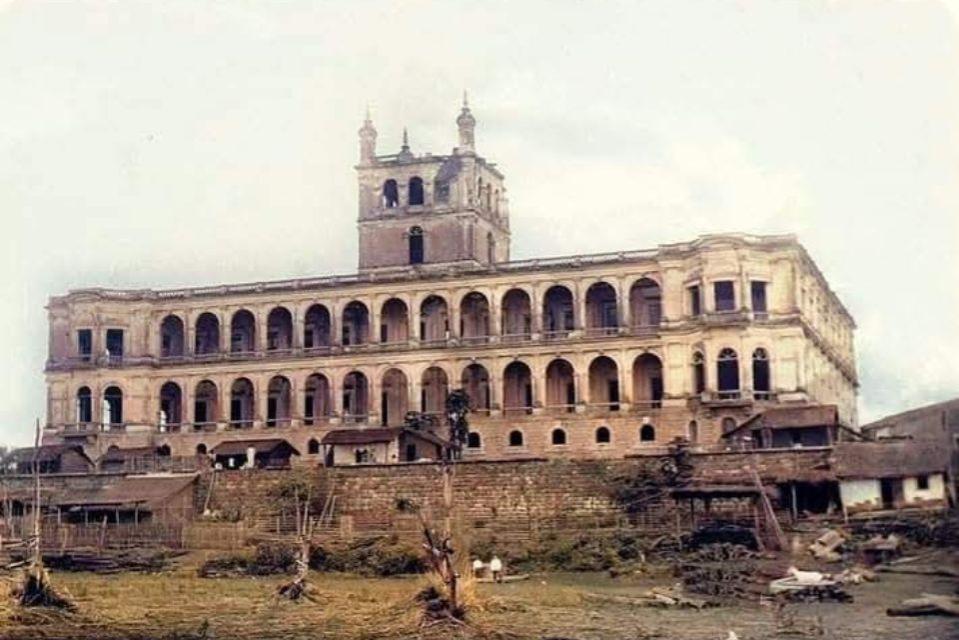
The War of the Triple Alliance brought Paraguay’s ambitious building projects to an abrupt halt. Fought against Brazil, Argentina and Uruguay between 1864 and 1870, the conflict devastated the country and left the palace unfinished.
In February 1868, Brazilian bombardment damaged the building’s tower and later, during the occupation of Asunción in 1869, allied troops looted the palace and used its premises. Francisco Solano López died in 1870 without ever living in the residence planned for him.
After the war, the building remained neglected for years. Authorities considered alternative uses, including a proposal to establish a National College there. Nevertheless, the palace’s future remained uncertain until the government undertook a major restoration.
Restoration and a new role
In 1888, under President Patricio Escobar, restoration work began under the direction of Félix Landauce. Workers repaired the roof and tower, rebuilt damaged decorative features, and renewed windows, doors and drainage systems. They also restored architectural details that had deteriorated during the years of neglect.
The palace was inaugurated in 1892, during the presidency of Juan Gualberto González, although further work remained. Two years later, on 25 November 1894, President Juan Bautista Egusquiza established the seat of government in the building.
This marked a decisive change: the palace was no longer simply an unfinished residence intended for a future president. Instead, it became closely associated with the presidency and acquired a new place in Paraguay’s public life.
Changes through the years
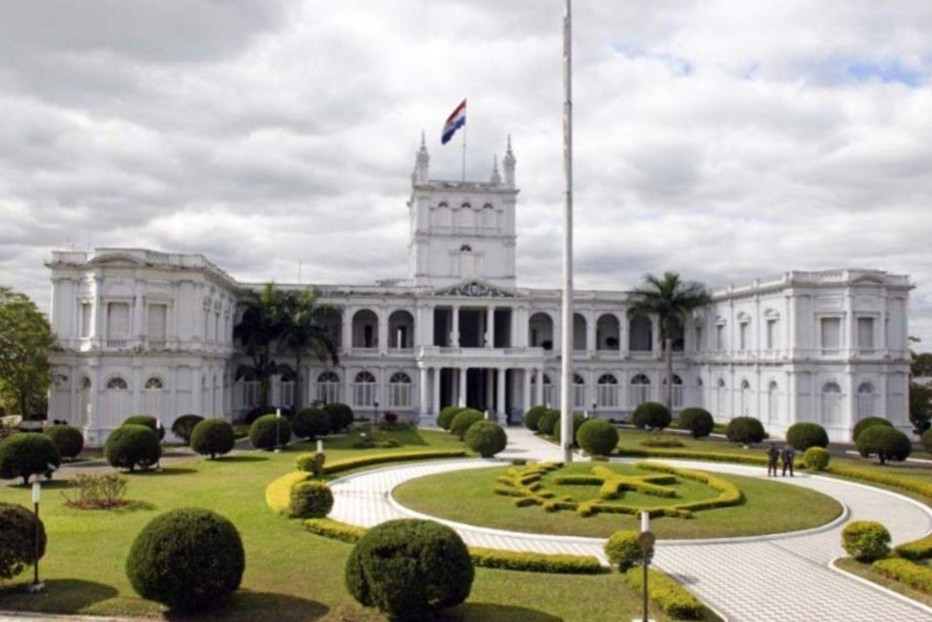
Beyond its original structure, the palace’s surroundings and interiors have evolved to reflect changing needs and tastes. In 1913, an English style garden was created, changing the setting around the building. Later maintenance and restoration projects addressed the challenges of preserving its historic fabric, from the tower and timber floors to damaged walls, plasterwork and drainage systems.
The interior has also undergone changes. During refurbishment in 1990, workers reorganised upper floor offices and restored the reception hall in the western wing, known as the Salón Libertad. Some rooms were also combined to create the Salón de las Américas. These alterations reflect how the palace’s interior has been adapted over time.
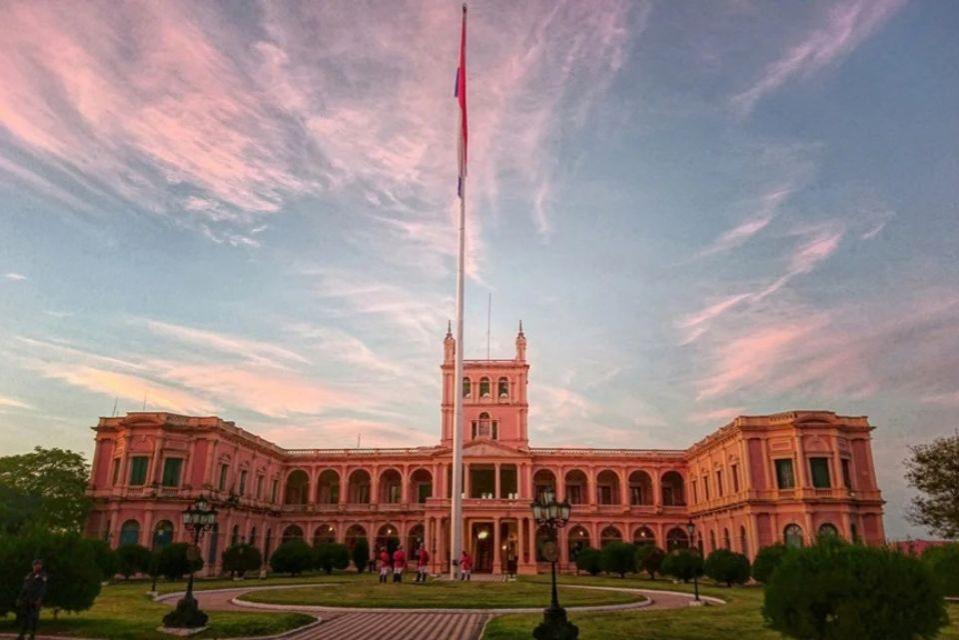
Restoring the pink facade
Historical records refer to whitewashing, plasterwork and painting during restoration work in the late 19th century. Although the available sources do not establish precisely when the facade first changed from white to pink, or why this colour was chosen, conservation work completed in 2013 restored the pink facade and green window frames associated with its earlier appearance.
Preservation remains an important part of the palace’s story. In 2009, the building was recognised as one of Asuncion’s Seven Treasures of Cultural Heritage, reflecting its importance to the city’s historical identity.
Visiting the Palacio de López
Although the Palacio de López is best known as a landmark viewed from outside, visitors can sometimes explore its interior through Secretos del Palacio, a guided tour organised by the Asuncion Municipality’s Secretaría de Cultura y Turismo in collaboration with national institutions. The experience introduces visitors to the building’s history, architecture and selected interior spaces.
Tours take place on specific dates announced throughout the year rather than according to regular opening hours. Admission is free, but places are limited and advance registration is required.
For upcoming dates, availability and booking details, visitors can consult the Asunción Live website. As schedules may change and tours can fill up quickly, checking for announcements in advance is recommended.