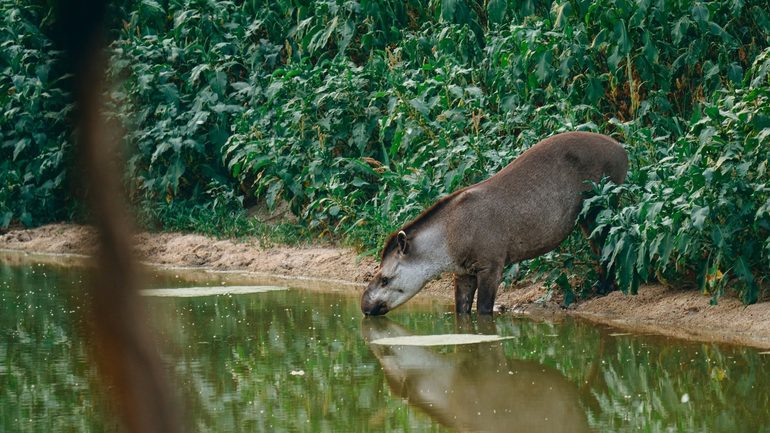

Paraguay’s national parks are some of the country’s most vivid landscapes, and some of its least told stories. Into the Wild, a series from The Asunción Times, travels through them in chronological order, from the first park established to the most recent. Our fourth stop is Defensores del Chaco National Park, where Cerro León rises above the surrounding plain.
Across this vast landscape, dry forests shelter jaguars, giant armadillos and tapirs. Established on 6 August 1975, the park protects one of Paraguay’s largest wilderness areas. Its name honours the veterans of the Chaco War.
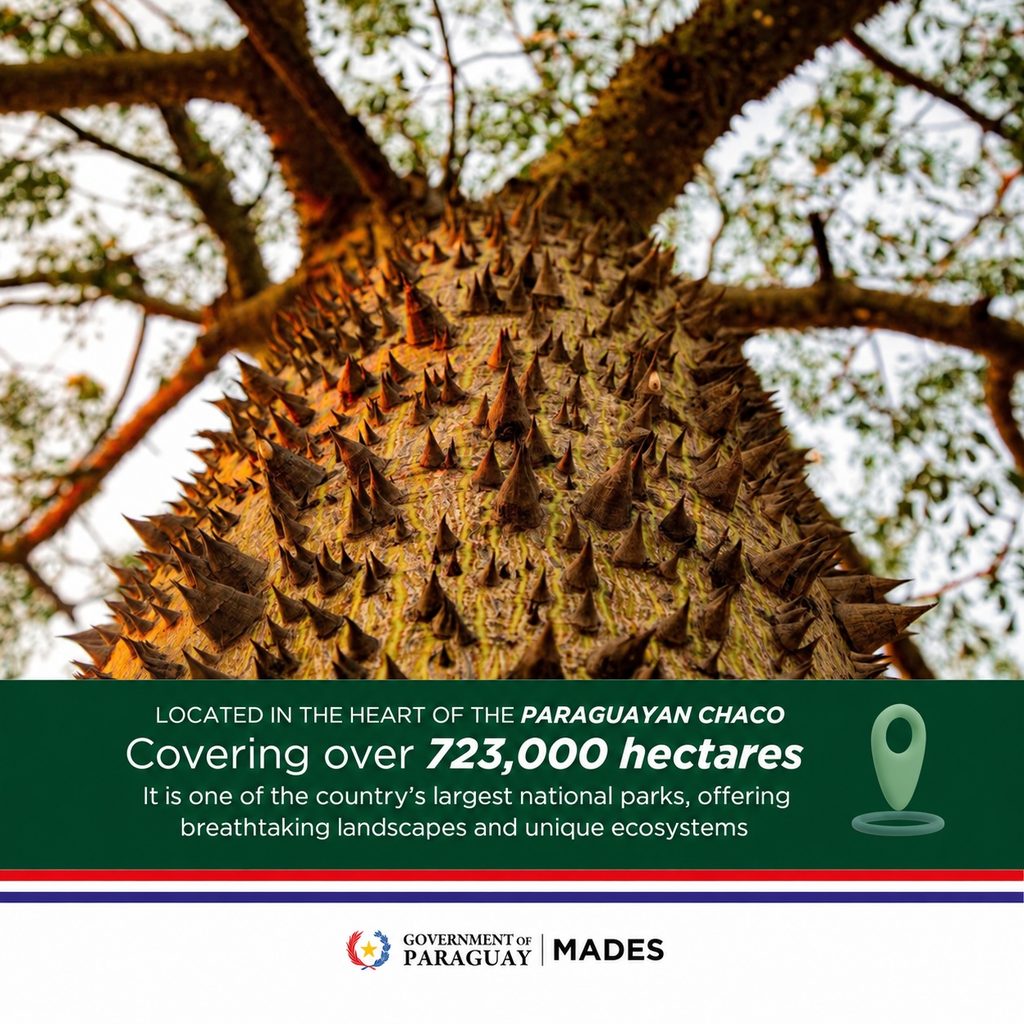
A different kind of forest
Leaving Ybycuí’s waterfalls behind, our journey enters the Dry Chaco. Here, forests alternate with scrubland and savannah, while woodland covers the slopes of Cerro León. The park forms an important part of the Chaco Biosphere Reserve.
Its vegetation has adapted to the Chaco’s dry conditions. White quebracho, palo santo and algarrobo grow alongside cacti and air plants. White-flowered samu’u trees add their distinctive swollen trunks to the landscape. These plants give the forest a character far removed from the lush surroundings of our previous stop.
Cerro León: hills above the plain
The park’s defining landmark interrupts the Chaco’s largely flat horizon. Cerro León comprises a broad formation of hills, reaching approximately 600 metres above sea level. Its wooded slopes introduce a striking change in elevation within the surrounding lowlands.
The Ministry of Environment and Sustainable Development (MADES) describes its formation as approximately 30 kilometres long and 20 kilometres wide. Forests growing across these hills contribute to the park’s variety of habitats. Cerro León gives this enormous protected landscape a recognisable centrepiece, drawing attention upwards from the plain.
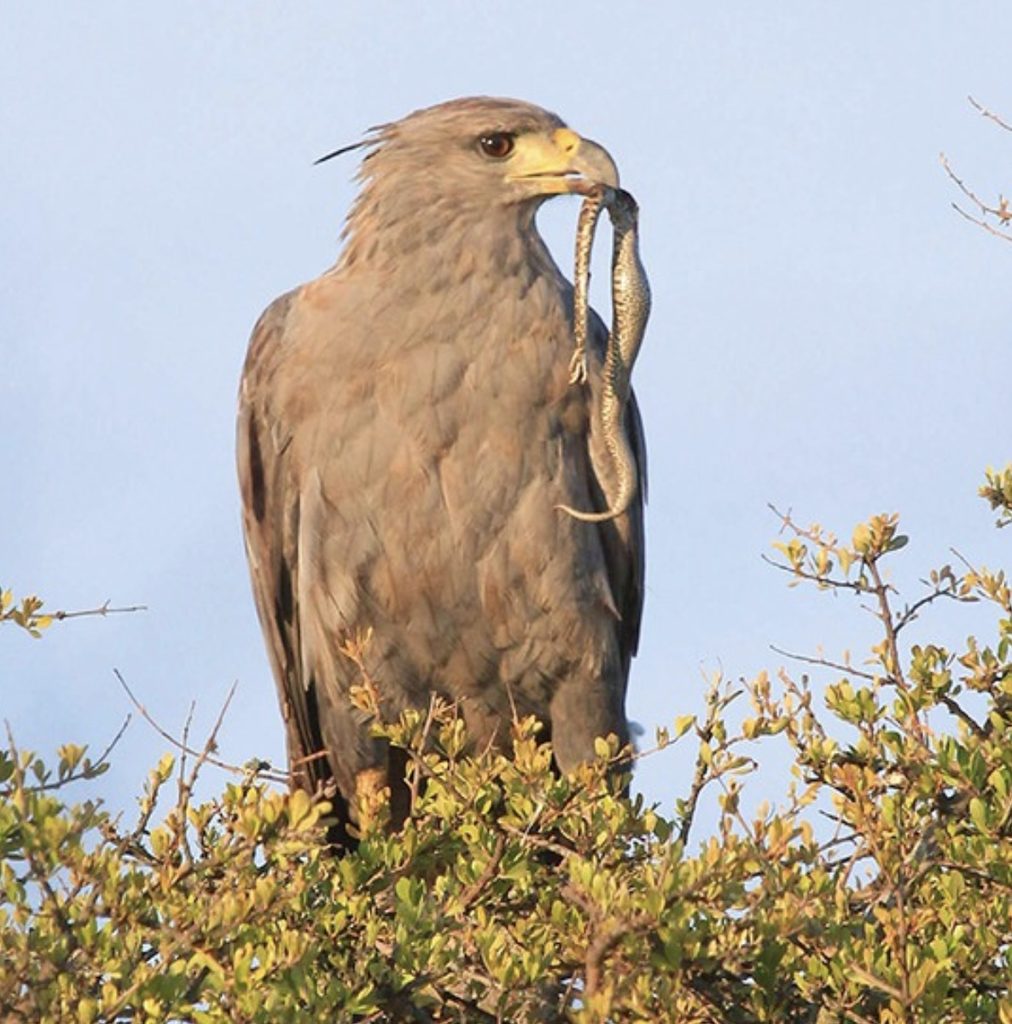
(Buteogallus coronatus)
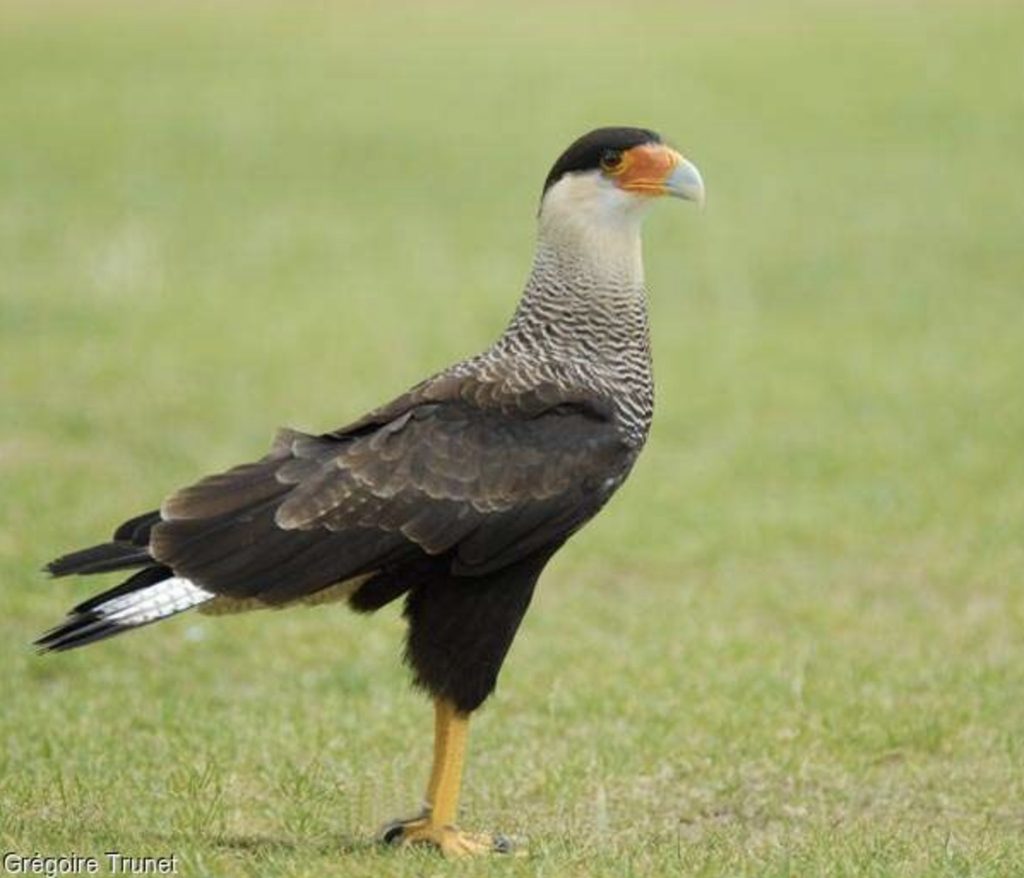
(Caracara plancus)
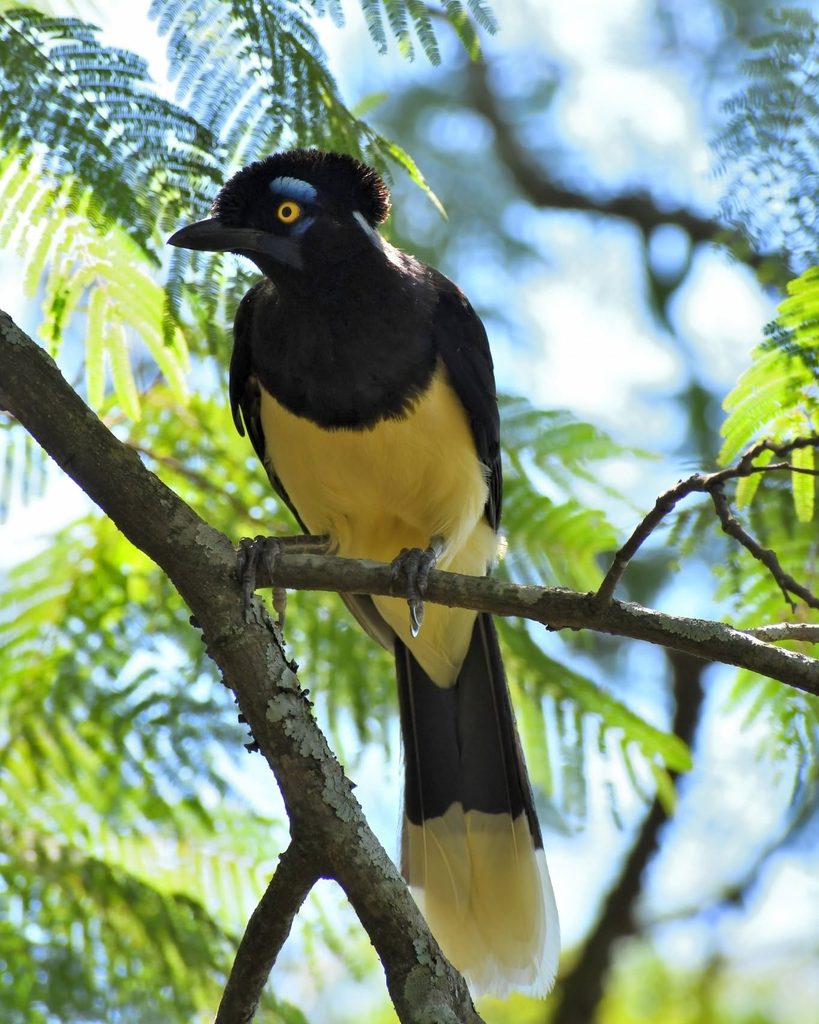
(Cyanocorax chrysops)
A refuge for Chaco wildlife
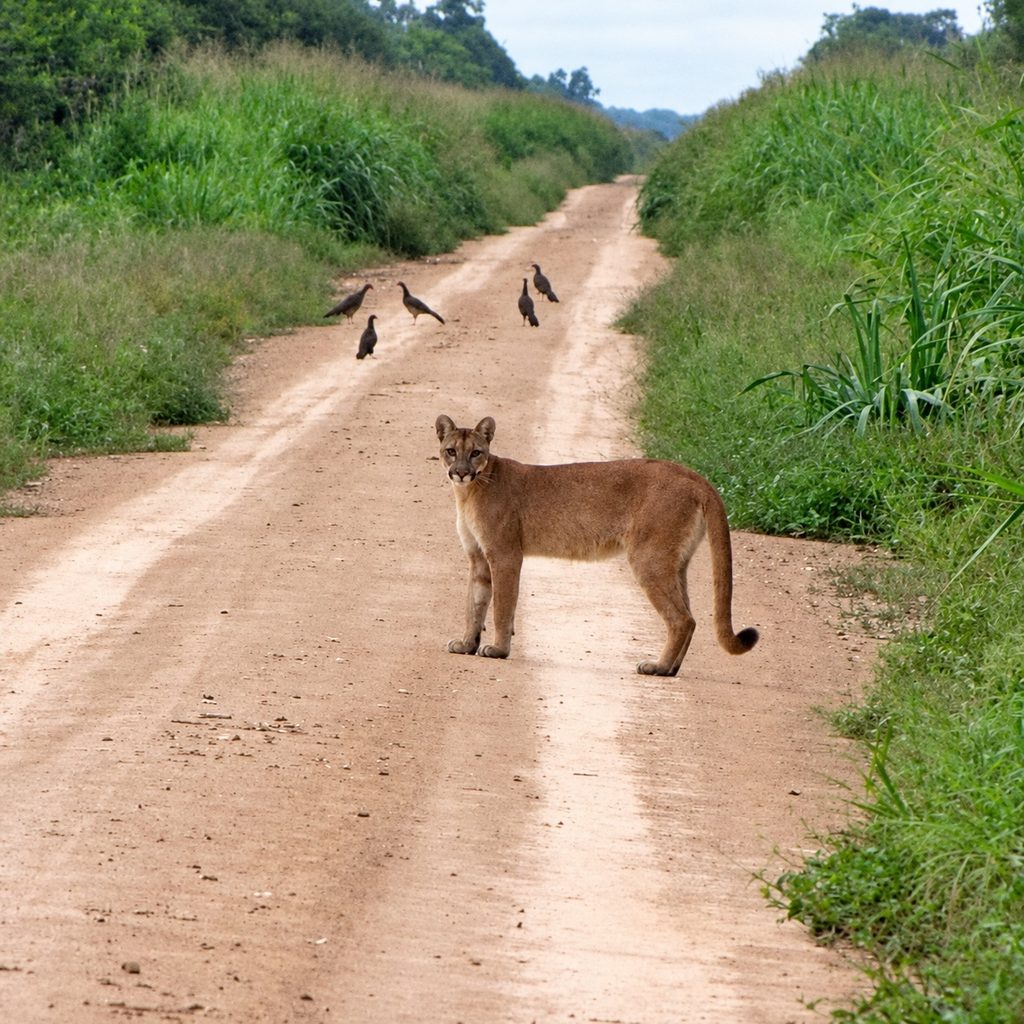
Jaguars and pumas inhabit the park, alongside tapirs, giant anteaters and giant armadillos. Greater rheas, parrots and chachalacas also feature among its wildlife. Boas, rattlesnakes and large tegu lizards represent some of its reptilian inhabitants.
Paraguay’s Ministry of the Environment’s biodiversity portal also features the South American coati and red-billed scythebill. Together, these species offer a glimpse of the diversity that conservation here seeks to protect. Wildlife observation rewards patience, and visitors should approach the experience without expecting guaranteed encounters.
An ancestral landscape
The park also encompasses ancestral Ayoreo territory. Some Ayoreo groups continue to live in voluntary isolation, maintaining their distance from outside society. Their presence gives conservation here an essential human dimension.
Respecting this territory shapes how people may explore the park. MADES requires express authorisation for visits and has specifically warned against entering absolute protection zones without permission. Visits to those zones also require accompaniment by the responsible park rangers.
Planning your visit
Defensores del Chaco requires advance preparation. MADES’s protected-area portal lists an approximate distance of 712 kilometres from Asunción and a journey of around ten hours. Actual travel time will depend on the route and conditions.
Before departure, contact MADES to arrange authorisation and confirm access, ranger guidance and available facilities. Plan drinking water, food, fuel and overnight arrangements carefully. The ministry lists nature observation, photography, walking and camping among the park’s activities.
Defensores del Chaco brings a different scale to our journey through Paraguay’s national parks. Its forests, wildlife and ancestral territory surround hills that break the horizon. Together, they reveal a landscape whose significance extends across natural and human history.
What is next?
In the next episode of Into the Wild, we travel to Cerro Corá National Park in Amambay. Established in 1976, it protects the setting of the final battle of the War of the Triple Alliance. There, wooded hills and historical monuments introduce another chapter in Paraguay’s story.
Missed the previous episode? Explore Ybycuí National Park and the ruins of Paraguay’s industrial past.