

Digital wallet Peanut is testing its potential in Paraguay, initially focusing on newcomers, digital nomads and cryptocurrency users living in the country. The platform allows users to hold digital dollars, transfer funds and spend through a payment card without relying on a Paraguayan bank account.
Edgar Barrientos (35), better known as “Pumbi”, represents Peanut and helps new users test the platform. The company is entering Paraguay as the country’s digital payments landscape continues to develop. However, Peanut is not currently designed primarily for Paraguayans receiving their income in guaraníes.
How Peanut works
Peanut describes itself as a non-custodial digital wallet, meaning users retain control over the digital assets held through their accounts. Its official information says the service supports payments across more than 140 countries.
“What Peanut is trying to do is to create a super simple app,” Pumbi tells The Asunción Times. “It is easy to use.”
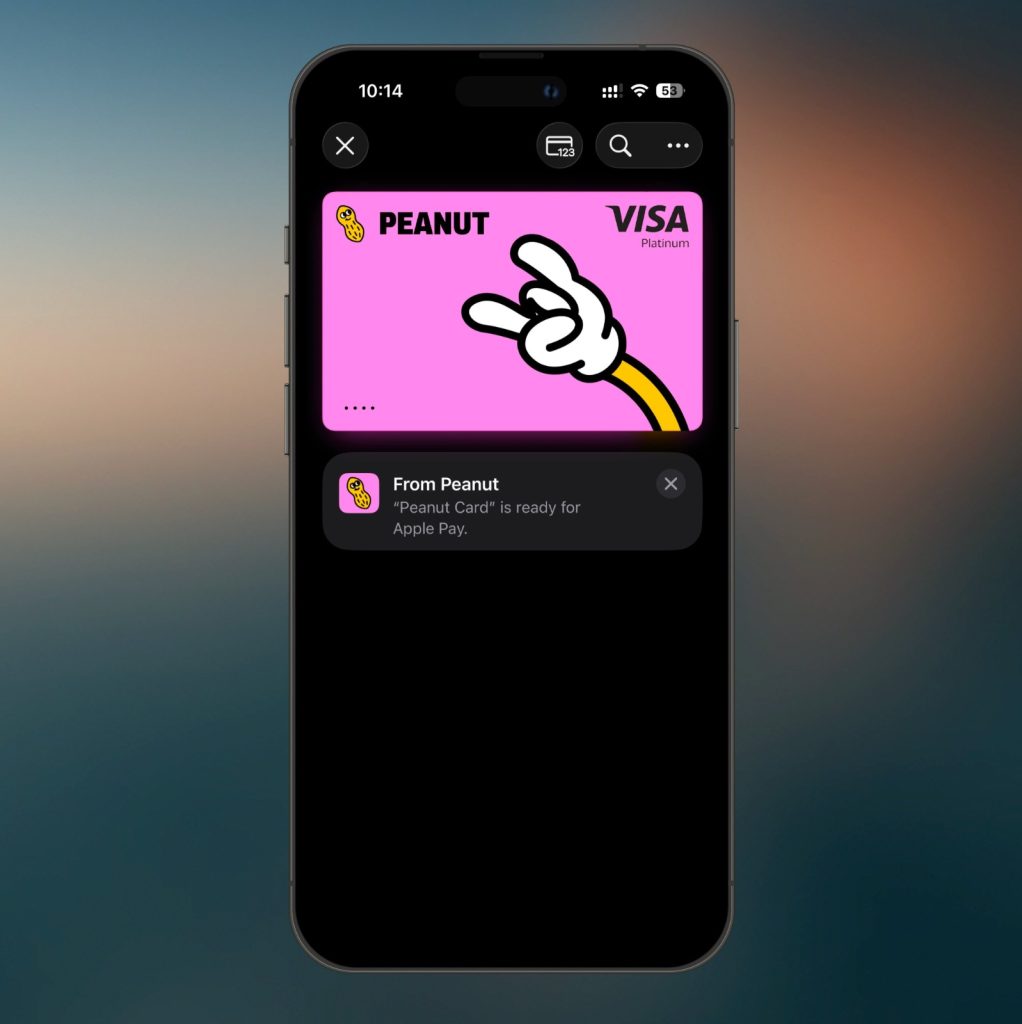
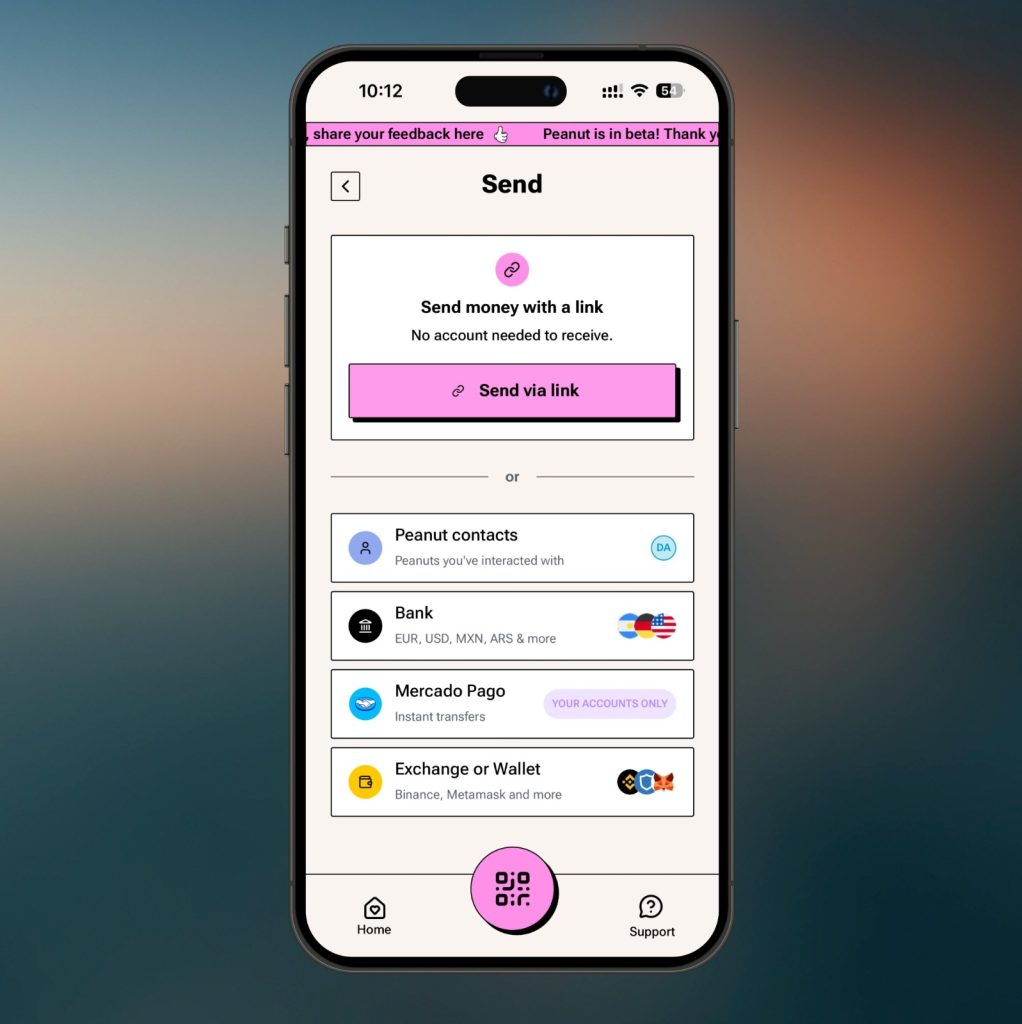
Users can fund their accounts using supported cryptocurrencies and digital dollars. Peanut also supports connections with selected banking and payment systems abroad, depending on the user’s country. The platform offers the Peanut Card, which can be connected to compatible digital wallets for everyday purchases. Pumbi explains that the idea is to hide much of the technical process happening behind each transaction.
“You have your balance in USDC, but you can pay everywhere as if you were local.”
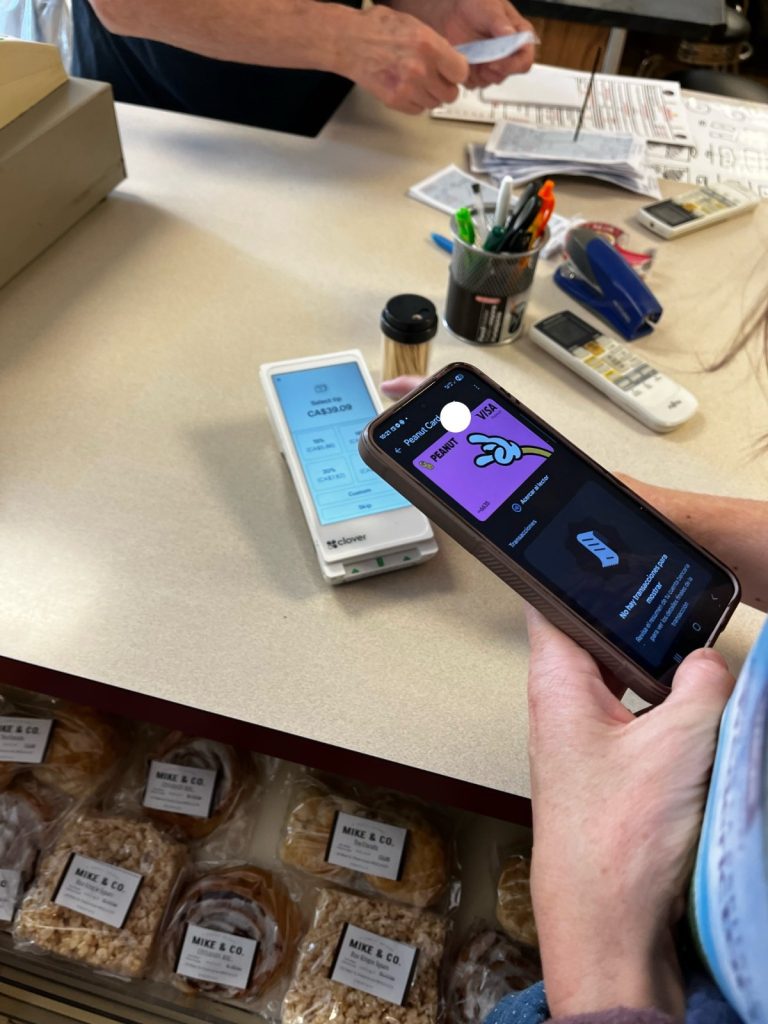
He gave the example of buying a coffee in Paraguay. Rather than telling the merchant that the funds originated from digital dollars, the customer simply requests a normal card payment. In the background, the corresponding amount is deducted from the user’s balance, while the merchant receives the payment through the conventional network.
“They never know that you are paying with crypto. For them, it is like a normal, regular transaction. One of the main goals of Peanut is to abstract all this hard technology and crypto, to make payments super simple and easy for anyone.”
Why Peanut is focusing on newcomers
For now, Peanut’s main target in Paraguay is foreigners rather than the broader local market. This is largely because users cannot currently fund their accounts directly through Paraguayan bank transfers in guaraníes.
“You can only top up your account using crypto, and not everyone here in Paraguay is used to operating with crypto yet. That is why, for the first event of Peanut here in Paraguay, we chose to work with the digital nomads.”
During a pilot event, Pumbi helped attendees set up and test the service. One experience involving a Brazilian woman particularly stood out to him. She transferred money from her Brazilian bank using Pix and received digital dollars in her Peanut account within approximately two minutes. She then went to the bar and used those funds for a normal card payment.
“All the process worked flawlessly,” Pumbi recalled. “It was super easy for her to make a transfer from a bank she was already using.”
That cross-border use could be particularly relevant for foreigners living in Paraguay while receiving income or maintaining bank accounts elsewhere. Direct integration with Paraguayan banks remains a future possibility. Pumbi says local bank transfers are expected to become available, although an exact date has not been confirmed.
What does Peanut charge?
According to Pumbi, users do not face additional Peanut charges simply for holding their digital dollars or making standard transfers within the platform. Costs become relevant when users spend their dollar balance in another currency, such as guaraníes in Paraguay.
“The only fees that you are paying [are] when you are buying something here in Paraguay, for example.”
For purchases in Paraguay, Pumbi said the currency conversion follows Visa’s exchange rate. Peanut then applies an additional 1% charge to the transaction.
“You pay, aside from the Visa type of change, another 1%. And that is the only fee that you pay on top of the FX fee.”
Keeping control of digital funds
One of Peanut’s main differences from a traditional financial institution is its non-custodial structure. This means users maintain control over the digital assets associated with their wallets. For Pumbi, that is one of the platform’s biggest advantages.
“Really, you are the owner of your money. Users have access to the private keys associated with their wallets. If Peanut became unavailable, those credentials could be exported to another compatible wallet. You are not dependent on Peanut working compared to traditional banks.”
Security was another concern raised during the interview. Pumbi says Peanut uses passkeys and device-level biometric authentication to protect account access. He also addresses privacy concerns surrounding the Know Your Customer, or KYC, process. According to Pumbi, identification information is handled through a third-party processor rather than directly reviewed by Peanut.
“Peanut only receives thumbs up or thumbs down if they can approve your request or if they need to deny it.”
What could come next in Paraguay
Peanut’s longer-term plans for Paraguay remain uncertain. Its first local event served as a pilot to understand interest and how potential customers would use the service. However, the company’s ambitions extend beyond Paraguay. Pumbi says Peanut is looking at Latin America more broadly as a potential growth market.
For now, Peanut provides another option for newcomers whose finances already extend beyond Paraguay’s borders. Whether it develops into a service more closely connected with the Paraguayan financial system will depend on its next steps in the country.
Pumbi’s advice for those curious about the platform is straightforward. “I would really recommend people to give it a try because it is super simple to use. Give it a try and let us know what you think about it.”
To download this digital wallet, check Peanut’s official website.
Also read: Paraguay’s Payment Revolution, And How To Unlock Global Liquidity With Ease.