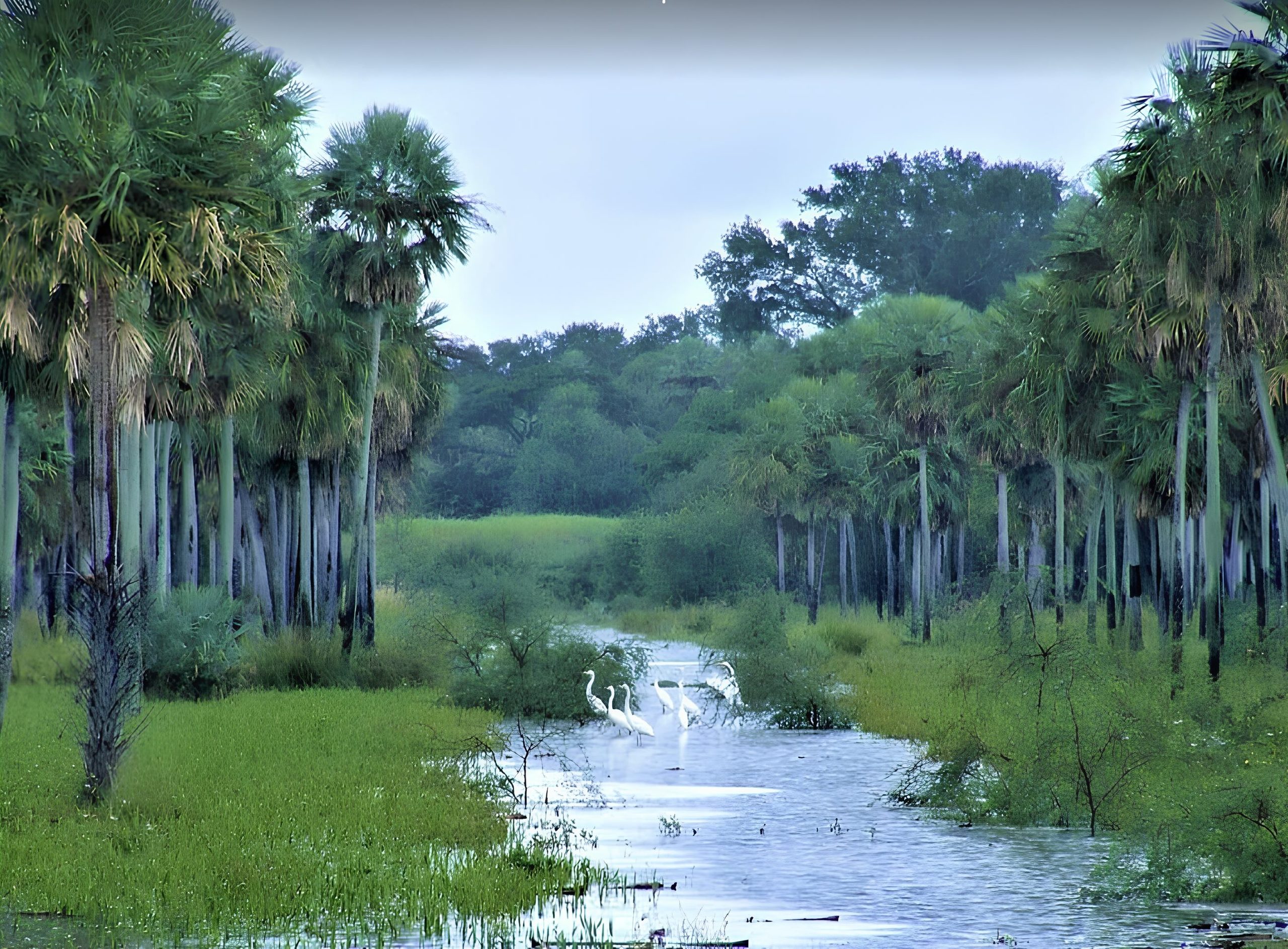

Every year, the International Day of National Parks offers an opportunity to look beyond the landscapes that attract visitors and consider what national parks protect: biodiversity, water, forests, wildlife and the natural systems that support human life. For Paraguay, a country that currently has 120 Protected Wild Areas. the day is particularly relevant.
The observance, held on 24 August every year, seeks to raise awareness of the importance of protected natural areas and the need to conserve them for future generations. Its broader history is closely linked to the creation of Yellowstone National Park in the United States in 1872, widely recognised as the world’s first national park. The idea of setting aside areas for the protection of nature subsequently spread around the world.
A country rich in biodiversity
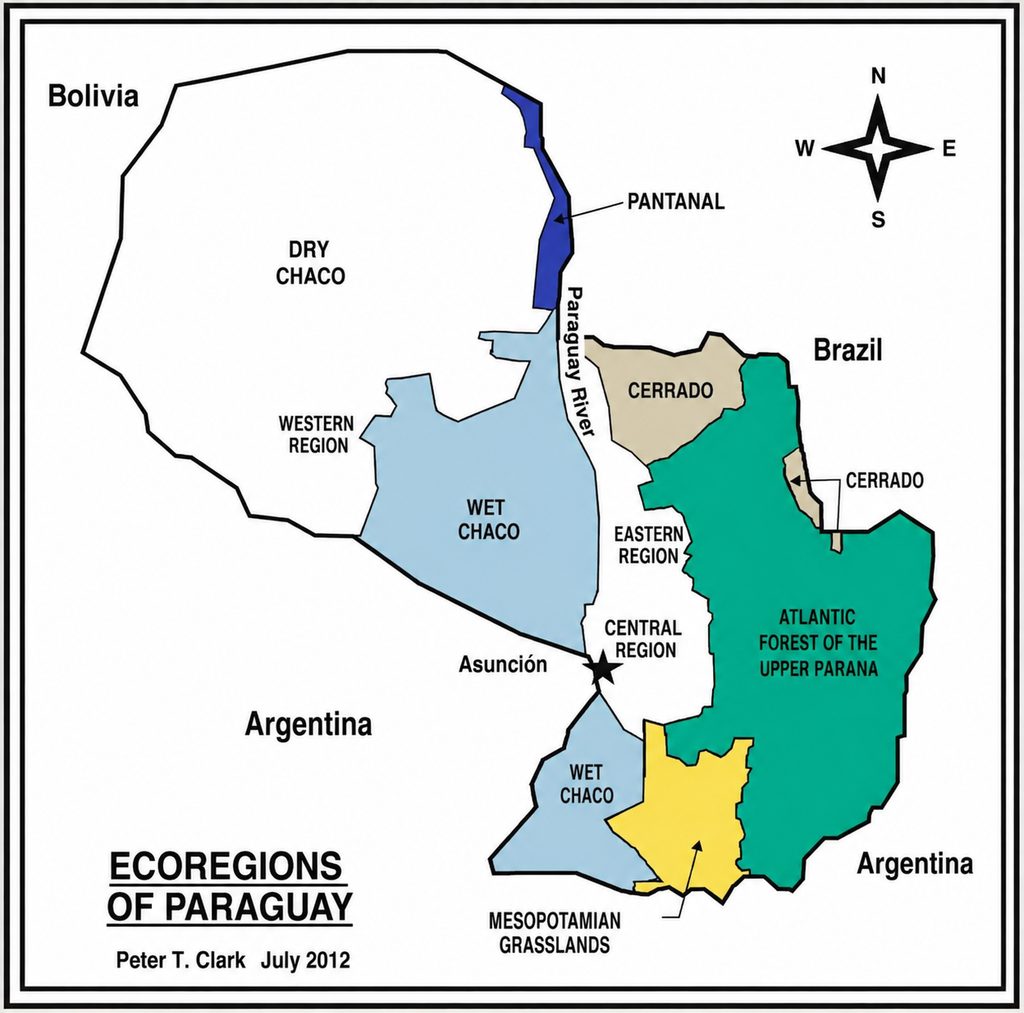
For Paraguay, the day is particularly relevant. The country is an ecological crossroads, where different biomes and ecosystems meet, creating remarkable biological diversity. Its nine ecoregions include forests, wetlands, grasslands and the Chaco. Around 23 per cent of its territory is covered by wetlands, while approximately 6,000 plant species, 700 bird species, 181 mammals, 189 reptiles, 87 amphibians and 314 fish species have been recorded.
Paraguay currently has 120 Áreas Silvestres Protegidas, or Protected Wild Areas. These include places such as Defensores del Chaco National Park, the country’s largest protected area, which covers around 720,000 hectares of the Dry Chaco and provides habitat for jaguars, tapirs, giant anteaters and pumas. Other protected areas safeguard different ecosystems, from the Atlantic Forest in Ñacunday National Park to the wetlands of the Bajo Chaco Wildlife Refuge.
Protecting nature in a changing landscape
Yet protecting these places is increasingly challenging. Habitat fragmentation, infrastructure expansion, forest fires, invasive species, illegal wildlife trafficking and climate change are placing additional pressure on ecosystems. Small and isolated protected areas can also make it difficult for wildlife to move between habitats and maintain healthy populations.
Paraguay’s National Biodiversity Strategy and Action Plan 2025–2030 responds to some of these challenges. The strategy sets a national goal of increasing the territory under protection from 7 to 20 per cent and restoring at least 10 per cent of degraded ecosystems. It also emphasises ecological connectivity, restoration, scientific information and broader participation in conservation.
People on the frontline
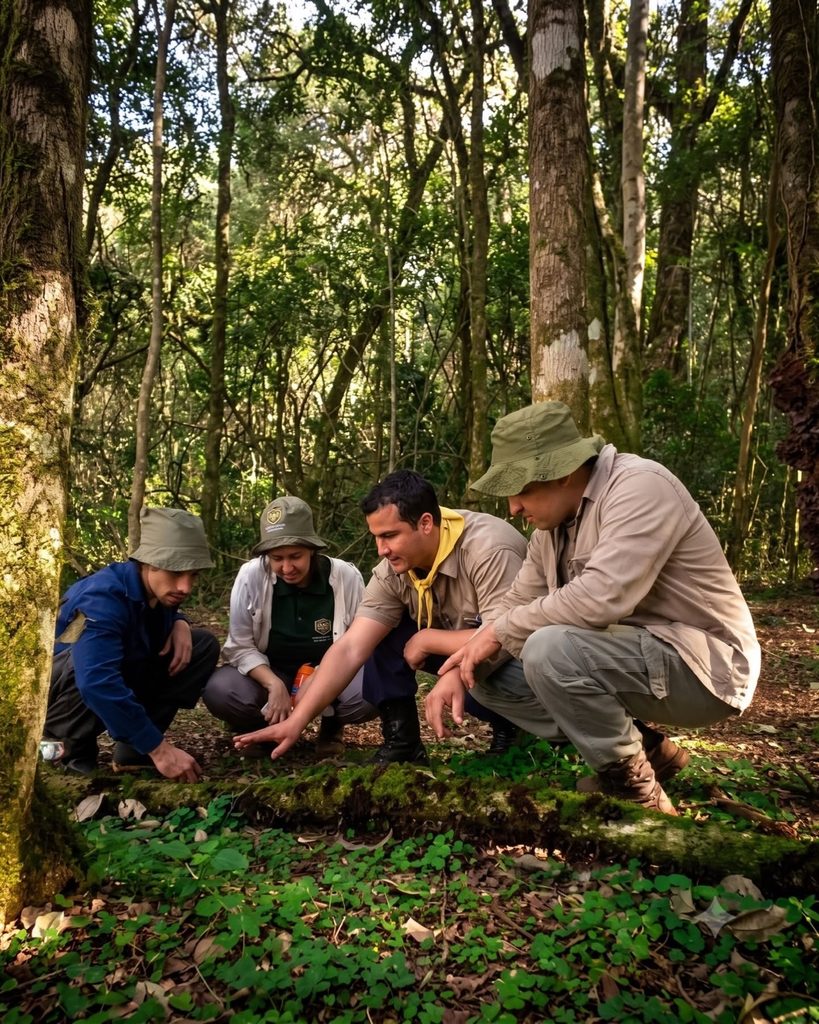
In Paraguay, conservation is also becoming a hands-on experience for young people through the Guardaparques Voluntarios programme, led by the Asociación Defensores del Chaco Pyporé. Open to adults interested in conservation, the initiative does not require previous academic training in environmental sciences. Instead, volunteers receive preparation before joining activities in protected areas.
Their contribution can range from environmental education and welcoming visitors to maintaining trails, monitoring biodiversity, supporting reforestation and managing waste. Between 2018 and 2020, the programme worked across 12 public and four private protected areas, demonstrating how citizen participation can complement the work of professional park rangers.
A similar approach is taken by OPADES through its Programme of Volunteer Support in Protected Areas (PAVAP), which has operated since 2013. Its volunteers work alongside park rangers, particularly during the busy summer season, helping with visitor services, environmental interpretation, biodiversity monitoring and the maintenance of public-use areas.
A shared responsibility
International Day of National Parks draws attention to the vital role protected areas play in conservation. It also highlights the long-term commitment, scientific knowledge and participation of communities and citizens needed to protect nature. For Paraguay, safeguarding its protected areas means safeguarding a natural heritage that supports both biodiversity and the country’s future.