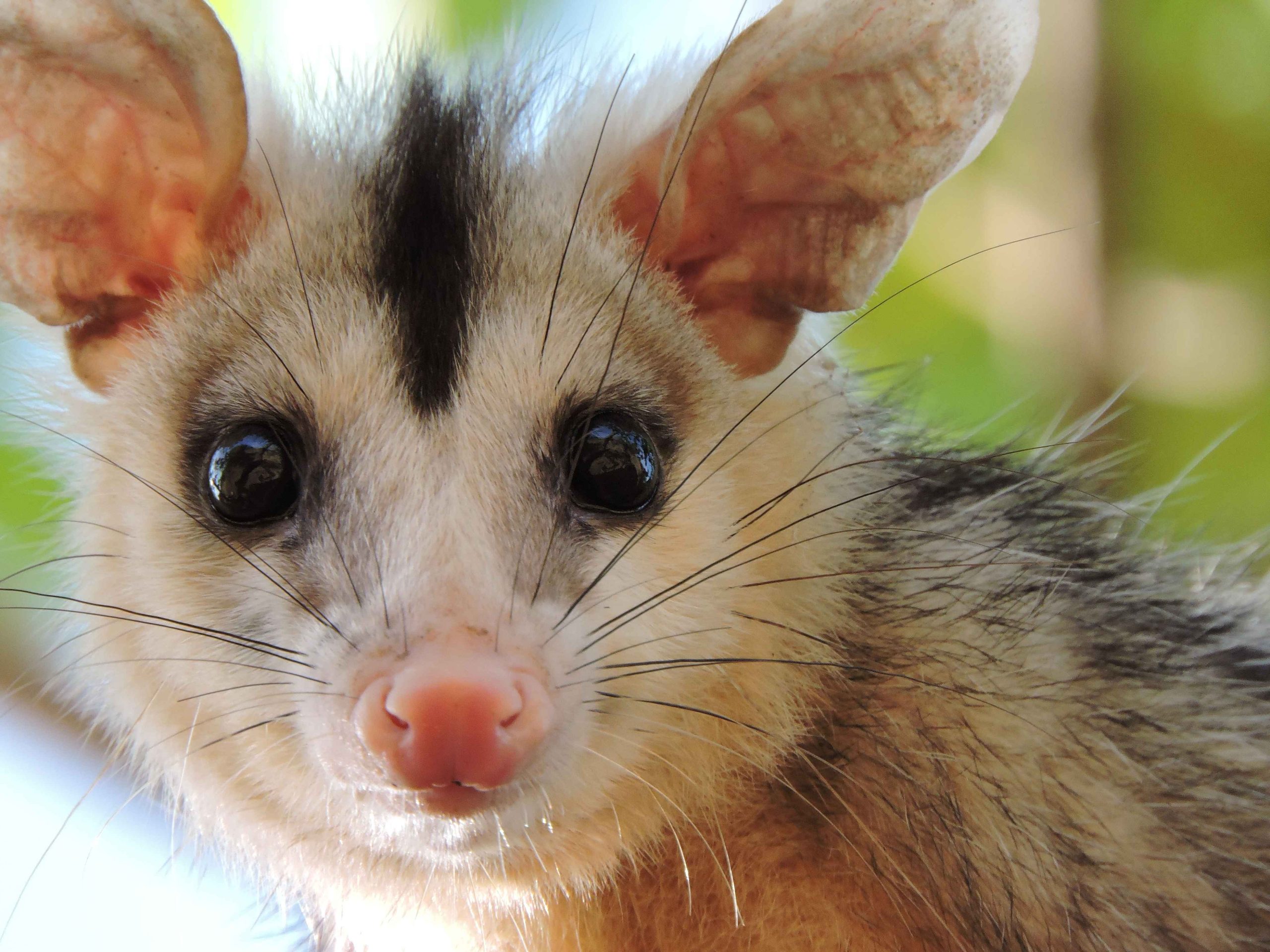

Paraguay’s opossum breeding season is now under way, as winter fades and temperatures start to climb. The white-eared opossums, called mykure in Guaraní, are becoming more visible in towns and suburbs, with females often seen carrying young in their pouches. Experts warn that domestic dogs pose the single greatest threat to them, and urged pet owners not to leave food out overnight.
What is a mykure?
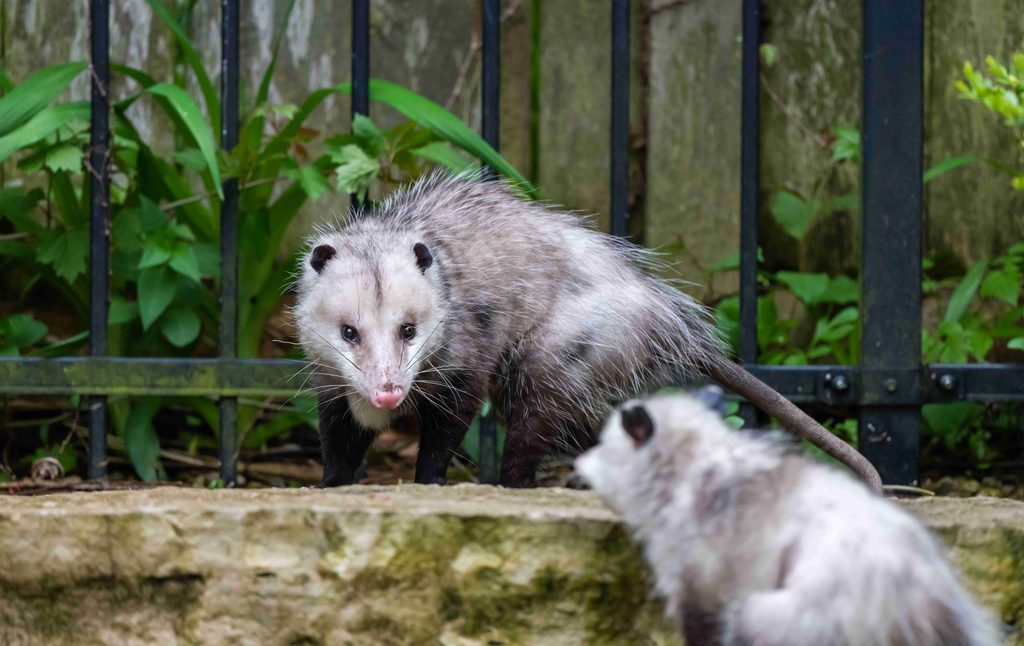
The opossum most commonly found in Paraguay’s urban areas is Didelphis albiventris, known in English as the white-eared opossum and in Spanish as comadreja overa or zarigüeya. It is a cat-sized, nocturnal marsupial found widely across South America, including Argentina, Bolivia, Brazil, Paraguay and Uruguay.
Despite its unfamiliar appearance to many city dwellers, the mykure is generally harmless and useful to have nearby. It is an omnivore, feeding on insects and small creatures such as cockroaches, crickets, beetles, spiders, scorpions, snails and ticks, as well as small rodents, fruit and other plant matter. This diet makes it a natural ally in controlling pests around homes and gardens.
Dogs and Paraguay’s opossum breeding season
The season typically peaks between August and September, when rising temperatures push the animals out of their dens. White-eared opossums have a low body temperature, generally between 31°C and 32°C, which keeps them sheltered through the coldest months. As they become more active, many end up close to houses. There, pet bowls left out overnight prove a frequent and fatal attraction.
With dogs eat during the day, at night the food needs to be put away, since opossums are commonly attacked while investigating leftover pet food. Climate change and shrinking natural habitat mean opossums can now appear in cities almost all year round, rather than only during this traditional window.
A pouch that can still hold survivors
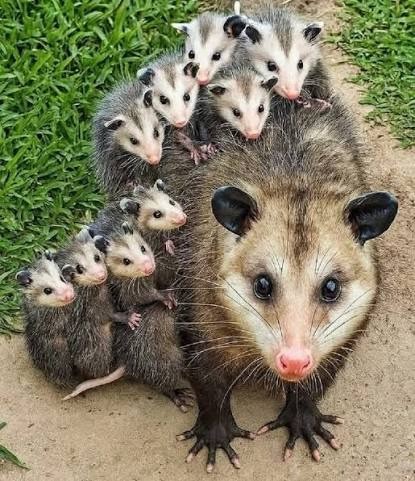
Opossum pregnancies last only around 15 days, after which the young are born extremely small, roughly the size of a grain of rice. They must crawl unaided into the mother’s external pouch, called the marsupium, where they attach to a nipple to continue developing. Only females have this pouch, and a single litter can number between 12 and 15 young, though not all survive the journey.
Because of this, any dead specimen should be checked for surviving young inside the pouch, since young left nursing from a dead mother risk bacterial infection that reduces their chances of survival. Rescued young, or any injured adult, should be brought to the Asunción Zoo or reported to Paraguay’s Ministry of Environment and Sustainable Development (MADES), which recently coordinated the rescue of another wild animal found in an Asunción neighbourhood. Those unsure who to contact for an animal in distress can consult this guide to Paraguay’s animal protection organisations and reporting channels.
Surviving young that make it to the pouch typically remain there for around a month to six weeks, before spending a further period riding on their mother’s back until fully independent.
Learning to live with a shy neighbour
Deforestation and habitat loss are pushing more opossums, including species normally confined to forested areas, into populated parts of Paraguay. Opossums generally flee from people out of fear, but may bite if they feel threatened or are injured, so handling one without proper knowledge is not advised.