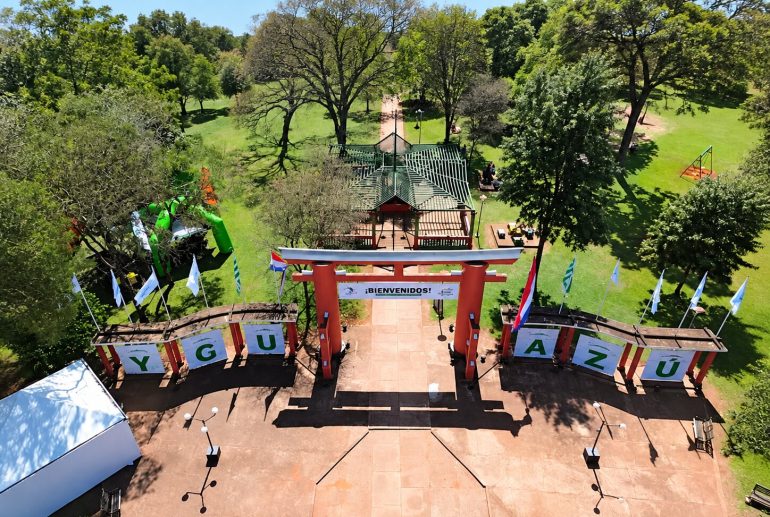

In 2026, Paraguay marks 90 years since the arrival of its first Japanese immigrant communities in 1936. Across the country, generations of Japanese descendants have contributed to agriculture, cultural exchange and community development. One example is colonia Yguazú, a district in Alto Paraná where Japanese traditions remain an important part of everyday life. Through cultural celebrations such as Expo Yguazú, the community continues to preserve its heritage while celebrating its place in Paraguayan society.
The anniversary offers an opportunity to look beyond the cultural festivals and explore the history of Japanese immigration to Paraguay. From the first agricultural settlements to the communities that exist today, Japanese immigrants and their descendants have helped shape the country over nine decades.
From Japan to Paraguay
Japanese immigration to Paraguay officially began in 1936, when the first organised group of settlers established an agricultural colony in La Colmena, in the department of Paraguarí. Their arrival marked the beginning of a relationship that would develop through migration, agricultural cooperation and cultural exchange.
Many immigrants left Japan in search of new opportunities, particularly during the years surrounding the Second World War and the post-war period. Settling in Paraguay meant adapting to a different climate, language and way of life, often in rural areas where agricultural communities were still developing. The first years were marked by hard work. Families had to clear land, establish farms and build communities while adapting to unfamiliar surroundings. Over time, these settlements contributed to Paraguay’s agricultural development and established lasting connections between the two countries.
Japanese immigration later expanded to other parts of Paraguay, including Alto Paraná, Itapúa and Amambay. These communities gradually became part of Paraguayan society while maintaining cultural traditions inherited from previous generations.
Yguazú: A community shaped by Japanese migration
The history of Yguazú’s Japanese settlement began in 1961, when immigrants arrived as part of agricultural colonisation projects. Located in eastern Paraguay, the community became one of the country’s examples of Japanese settlement and agricultural development. Like earlier immigrant communities, the settlers faced the challenge of establishing a new home in an unfamiliar environment.
Over time, the Japanese community of Yguazú became increasingly integrated into Paraguayan society, developing a Nikkei identity. The term refers to people of Japanese descent living outside Japan and reflects the combination of inherited Japanese traditions with the Paraguayan culture in which younger generations were born and raised. Today, Yguazú represents how Japanese and Paraguayan identities have developed together through several generations of shared experiences.
Japanese heritage in everyday life
In Yguazú, Japanese culture extends beyond festivals and special celebrations. It remains part of everyday life through education, food and community traditions passed down through generations. The local Japanese school helps preserve the language and cultural heritage, while also welcoming students from outside the Japanese community. Japanese restaurants and the Takuonji Buddhist temple further reflect the influence of immigration on the district’s identity.
Cultural celebrations also bring residents together throughout the year. Natsubon, a Japanese summer festival, features traditional Bon Odori dancing, food and artistic performances. Meanwhile, Expo Yguazú combines agricultural exhibitions, gastronomy, local businesses and cultural activities, reflecting the district’s multicultural identity.
More than sixty years after the first Japanese settlers arrived, Yguazú has become home to communities of different backgrounds. Japanese traditions continue to evolve alongside Paraguayan customs, demonstrating how generations of cultural exchange have shaped everyday life in this part of Alto Paraná.
Nine decades of shared history
The 90th anniversary of Japanese immigration to Paraguay is an opportunity to recognise the experiences of the first settlers and the generations that followed them. What began with the arrival of Japanese immigrants in 1936 has developed into a lasting connection between two countries separated by thousands of kilometres. Communities such as Yguazú demonstrate how cultural traditions can survive, adapt and become part of a new homeland.
As Paraguay commemorates nine decades of Japanese immigration, Yguazú offers a reminder that the country’s cultural identity has also been shaped by the stories of those who arrived from abroad, established new communities and made Paraguay their home.