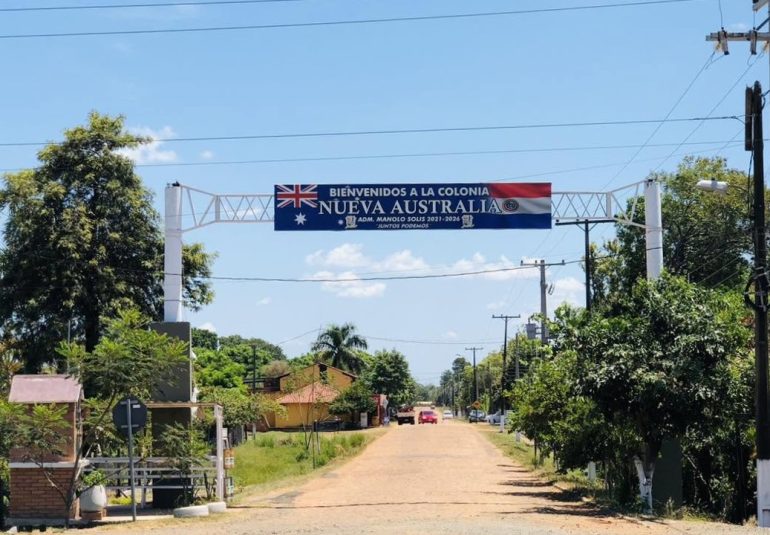

In the late 19th century, Paraguay was still recovering from the catastrophic War of the Triple Alliance. That war, also known as the Paraguayan War, had depleted its population and economy. To rebuild the country, the Paraguayan government passed the Immigration Law of 1881, offering land and incentives to foreign settlers. The policy aimed to attract hardworking families who could revitalise agriculture and strengthen the nation’s demographic base. This openness to immigration set the stage for one of the most unusual experiments in Paraguay’s history: the arrival of hundreds of Australians seeking to build a socialist utopia. The colony they founded? Nueva Australia.
William Lane’s utopian vision
The driving force behind the project was William Lane, a British-born journalist living in Australia. Lane was disillusioned with capitalism and class divisions. He dreamed of a cooperative society based on equality, shared labour, and moral discipline.
In 1891, he founded the New Australia Cooperative Settlement Association (NACSA), which quickly attracted followers. By 1893, 250 settlers had boarded the Royal Tar bound for Paraguay, convinced they were embarking on a new life free from exploitation and injustice.
Founding Nueva Australia
The Paraguayan government granted the settlers 61 leagues of land, around 125,000 hectares, in Caaguazú, a central Paraguayan department known for its fertile land and strategic location between Asunción and Ciudad del Este. Lane envisioned 1,200 families living communally, pooling resources, and working the land together.
The colony was named Nueva Australia. Its founders believed they were building a model society that could inspire reform across the globe. At first, optimism ran high, with settlers planting crops and establishing communal structures.
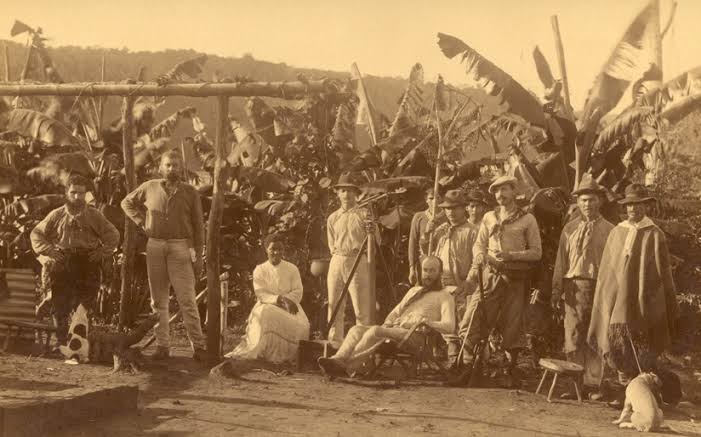
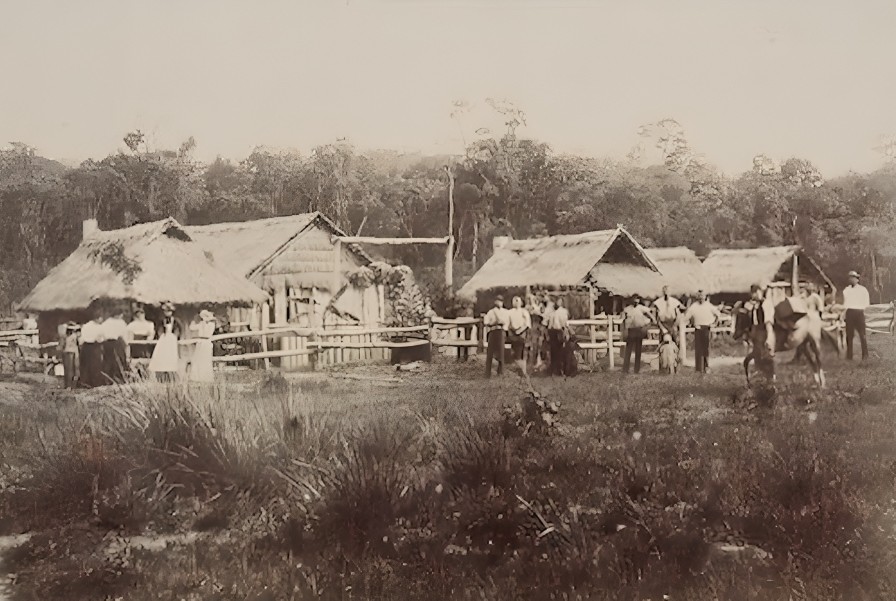
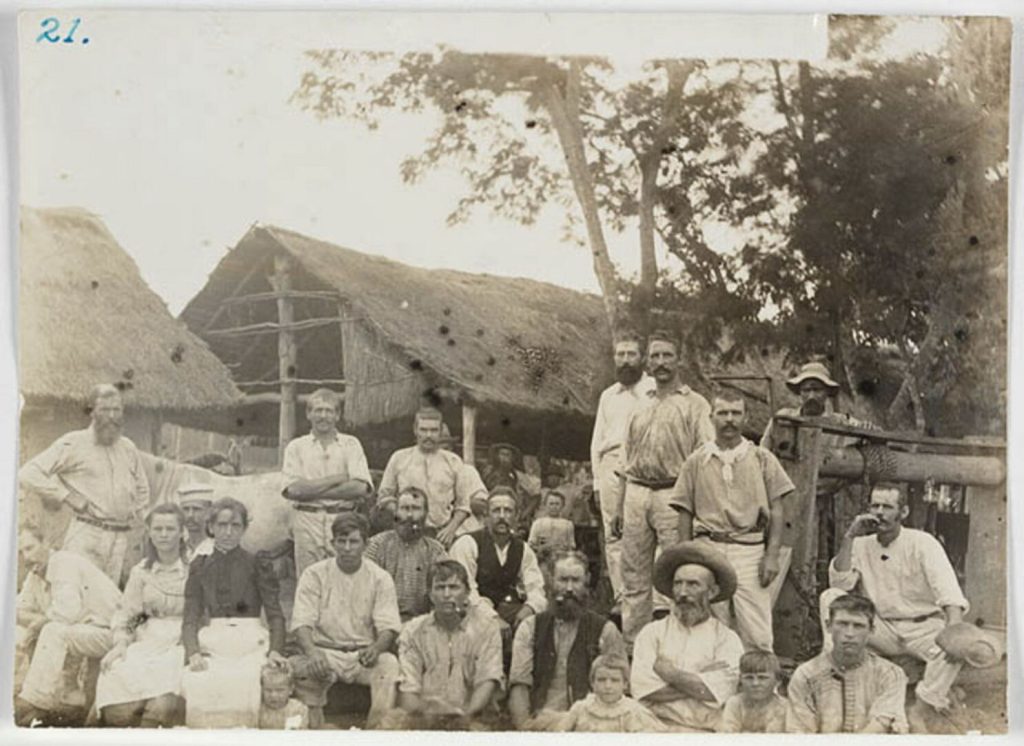
Conflict and division
Yet the dream quickly unravelled. Lane imposed strict rules, including bans on alcohol and fraternisation with Paraguayans, which clashed with the settlers’ desire for personal freedom. Disputes over racial segregation and cultural integration deepened tensions. By 1894, the colony fractured: Lane led a splinter group to establish Cosme Colony in Caazapá, a department in southern Paraguay known for its rolling hills, fertile land, and strong traditions of rural life.
Cosme was intended to continue Lane’s strict socialist vision, with rules on communal labour, alcohol prohibition, and racial segregation. However, the same challenges that plagued Nueva Australia soon reappeared. Many settlers abandoned Cosme within a few years, leaving only a small core group behind. while others remained in Nueva Australia. And others disillusioned, abandoned the project altogether, and returned to Australia or moved elsewhere in South America.
Legacy in Paraguay
Despite its failure as a utopian experiment, Nueva Australia left a lasting mark. Some colonists stayed, marrying Paraguayans and integrating into local society. Their descendants live on in the town now called Nueva Londres, located in the department of Caaguazú, in central Paraguay.
Nueva Londres, (New London) sits about 200 kilometres east of Asunción, in a region often described as the “heart of Paraguay” for its fertile farmland and cultural traditions. The town grew directly out of the remnants of the colony, and today it preserves a unique blend of Australian and Paraguayan heritage. Family names, oral histories, and occasional customs still reflect the settlers’ origins, while the community itself is fully Paraguayan in identity.
The colony contributed to agricultural development in Caaguazú and remains a fascinating chapter in Paraguay’s immigration story.
Also read: The Legendary Kygua Vera: The Forgotten Golden Crown Of Paraguayan Women