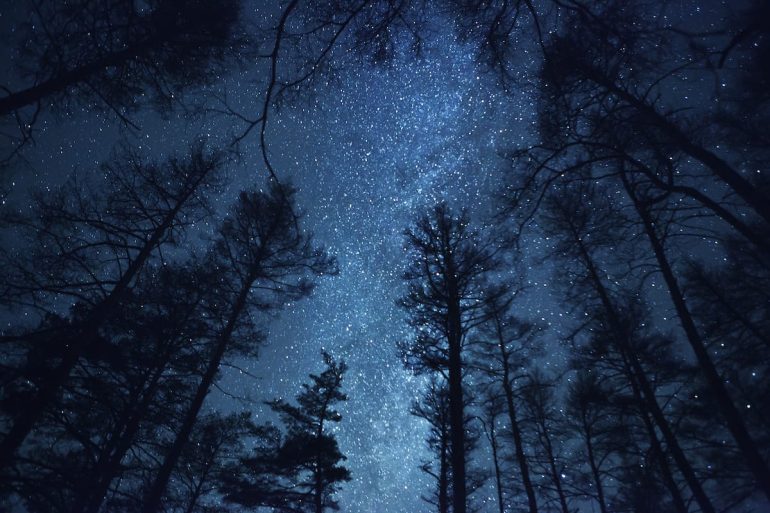

When night falls over Paraguay, a natural spectacle begins to unfold above the country’s cities, forests and open landscapes. Beyond the lights of Asunción, there are places where the sky takes centre stage, allowing stargazing: visitors to observe constellations, planets and the vastness of the Milky Way with greater clarity.
Although Paraguay is not yet an internationally recognised destination for astronomical tourism, its wide rural areas, southern hemisphere location and natural landscapes create ideal conditions for those looking for a different kind of experience: spending a night beneath the stars, away from urban noise and artificial lighting. For astronomy enthusiasts, nature travellers and anyone looking to reconnect with the night sky, Paraguay offers a largely undiscovered attraction. In Paraguay, there is potential for stargazing.
A country with potential for stargazing
One of the main advantages Paraguay has for astronomical observation is the presence of large areas with limited urban development. While cities produce light pollution that reduces the number of visible stars, rural regions provide wider and clearer views of the night sky.
The country’s location in the southern hemisphere also makes it possible to observe some of the most distinctive southern constellations, including the Southern Cross, as well as different areas of the Milky Way during certain times of the year.
Asunción also has a growing interest in astronomy outreach. Educational institutions and amateur astronomy groups organise observation activities, bringing the subject closer to the general public and encouraging curiosity about the universe.
The best places to observe the stars near Asunción
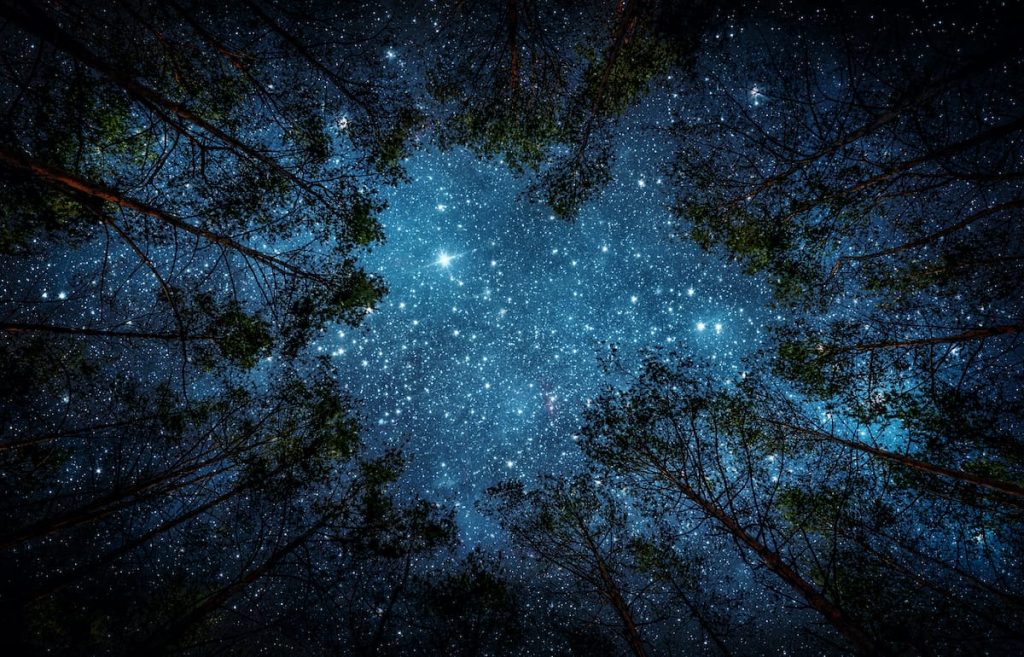
Paraguarí: Nature and open skies
Located just over an hour from Asunción, the department of Paraguarí is one of the most attractive destinations for those wanting to escape the city lights. Its hills, rural landscapes and natural surroundings create a favourable environment for observing the night sky.
The areas surrounding Ybycuí National Park and other rural parts of the region offer places where nature becomes the main attraction. Although they are not official astronomical destinations, their lower levels of artificial lighting make them appealing locations for a different kind of night-time experience. The combination of hills, forests and open skies also makes stargazing a perfect complement to Paraguay’s growing ecotourism scene.
Areguá and Lake Ypacaraí: An accessible escape
For those living in Asunción and looking for a short trip, Areguá and some of the less urbanised areas around Lake Ypacaraí can be an accessible option.
Its proximity to the capital means that light pollution remains a factor, but moving away from the most illuminated areas can provide peaceful nights for observing the Moon, identifying some constellations and enjoying the sky in a natural setting. Its greatest advantage is accessibility: visitors can experience stargazing without needing to travel long distances.
The Cordillera de los Altos: An experience among the hills
The Cordillera de los Altos region combines several elements that are ideal for a night beneath the stars: rural roads, elevated landscapes and areas located away from major urban centres.
Places near San Bernardino, Altos and Tobatí offer settings where, depending on the exact location and weather conditions, visitors may find clearer views of the sky than in the capital. On cloudless nights, particularly during periods with lower humidity, conditions can be more favourable for observation.
The Paraguayan Chaco: A sky without boundaries
For those seeking a more remote adventure, the Paraguayan Chaco represents one of the country’s areas with the greatest potential for stargazing due to its vast territory and low population density.
Its open landscapes create a sense of space that is difficult to experience near cities. In areas far from artificial lighting, the night sky can become one of the highlights of the journey. However, visiting this region requires careful planning due to the distances involved, the terrain conditions and the need for appropriate preparation.
Stargazing in Paraguay: What to observe throughout the year
The Paraguayan sky changes with the seasons, and each period offers different opportunities for those interested in exploring astronomy. During summer, some of the best-known constellations are visible, including Orion, one of the easiest formations to identify for beginners. Autumn brings pleasant temperatures for spending several hours outdoors and is a good season for those starting to explore the night sky.
The Paraguayan winter is often one of the most comfortable periods for stargazing. Cooler nights and lower humidity can improve visibility under the right conditions. During this season, the Southern Cross becomes particularly prominent.
Spring brings new constellations into view and offers ideal temperatures for combining astronomy with outdoor activities.
A new way to discover Paraguay after dark
Astronomical tourism is still an emerging activity in Paraguay, but the country already has one of the most important elements needed to develop it: natural spaces where the beauty of the night sky remains largely untouched.
A night spent observing the stars can become a different way to experience Paraguay. It does not require sophisticated infrastructure; often, all that is needed is a quiet location, clear skies and time to look upwards.
For international visitors, it offers the chance to discover a lesser-known side of the country. For locals, stargazing in Paraguay is an invitation to rediscover a landscape that has always been there, but that is often hidden by the pace of modern life.
Among hills, forests and vast plains, Paraguay offers a simple yet memorable experience: stopping for a moment and remembering that there are still places where the night belongs to the stars.
Also read: Step Into History: A Guide To Asunción’s Museum Treasures.