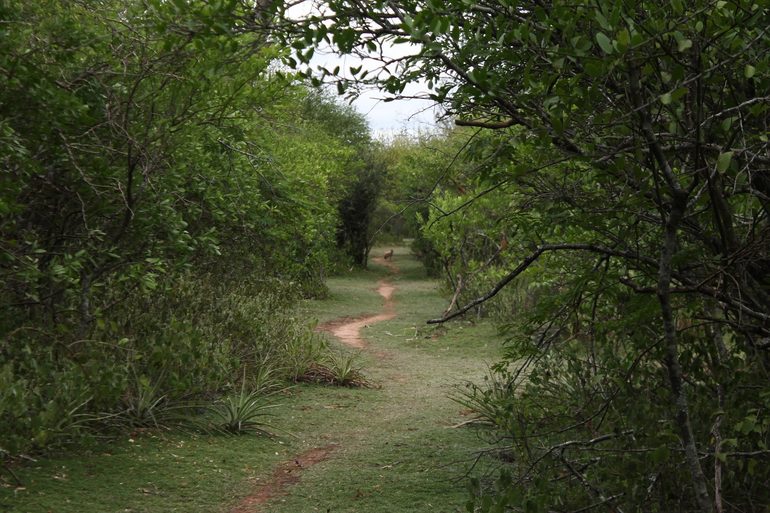

Paraguay’s national parks are some of the country’s most vivid landscapes, and some of its least told stories. Into the Wild, a series from The Asunción Times, travels through them in chronological order, from the first park established to the most recent. In this sixth episode, we explore Teniente Agripino Enciso National Park, where dry forest surrounds traces of a former Bolivian military outpost.
Established on 21 May 1980, the park protects approximately 42,241 hectares in the department of Boquerón, around 660 kilometres from Asunción. It preserves Dry Chaco habitats alongside historical sites associated with the Chaco War.
From Siracusa to Enciso
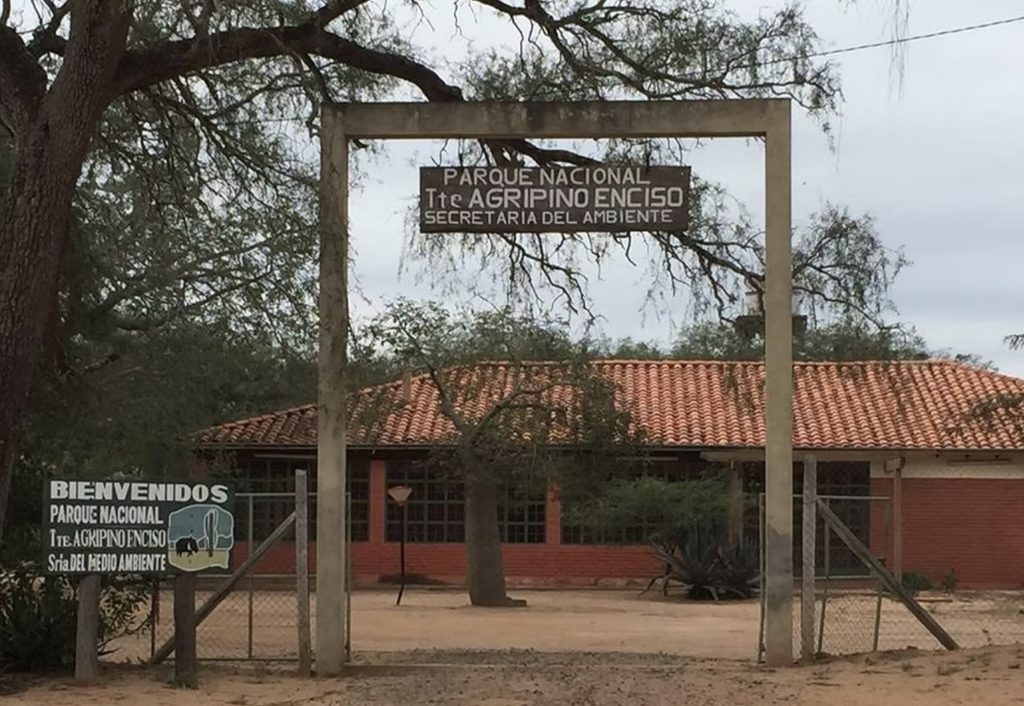
Before the area became a national park, a small Bolivian fort stood in this part of the Chaco. Known as Fortín Siracusa, it formed part of a network of military outposts across the disputed territory. Paraguayan soldiers captured it in 1934, during the Chaco War between Paraguay and Bolivia.
The outpost later took the name Fortín Teniente Agripino Enciso, honouring a Paraguayan lieutenant who served during the conflict. According to park rangers, Enciso also had a fondness for nature and wished to protect it, an association they highlight when explaining the park’s name. Today, wandering off the main paths of the park, trenches, old military tracks and other wartime remains preserve traces of that chapter.
A forest shaped by scarcity
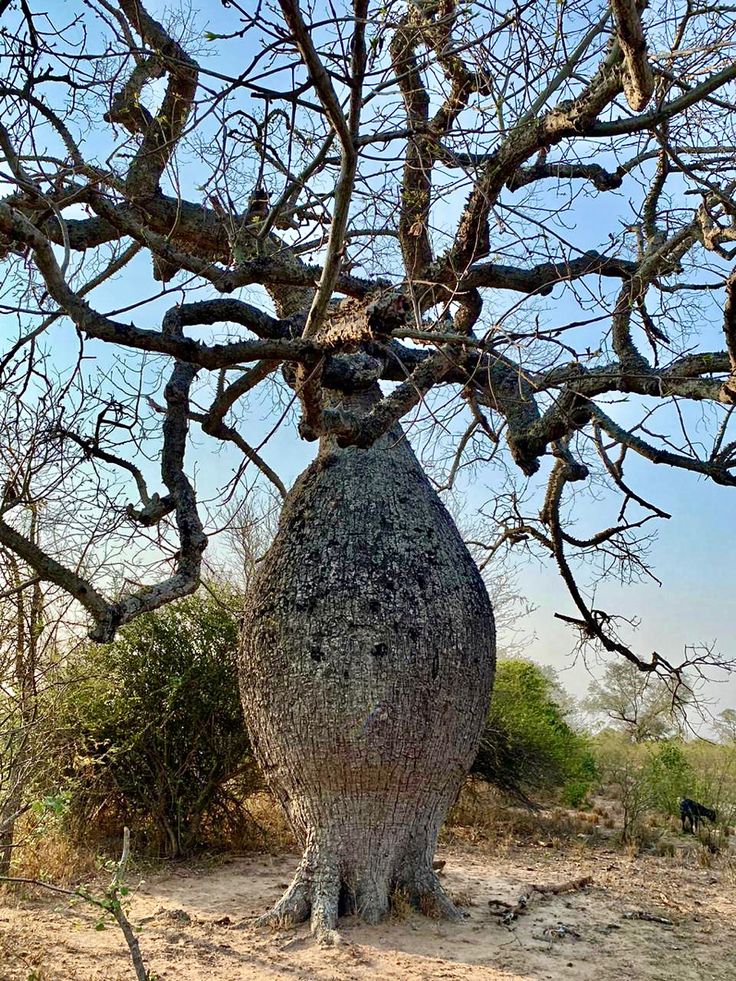
White quebracho, samu’u and cacti characterise the vegetation. Limited water shapes this woodland, where thorny shrubs and distinctive tree trunks give the landscape its texture. Open dry forest and wooded savannah provide different habitats within the protected area.
Among its inhabitants are pumas, tapirs and the taguá, or Chacoan peccary. Protecting habitat for this threatened Dry Chaco species forms a central part of the park’s purpose. The black-bodied woodpecker also features among its conservation priorities, linking this episode with another distinctive inhabitant of Paraguay’s Chaco.
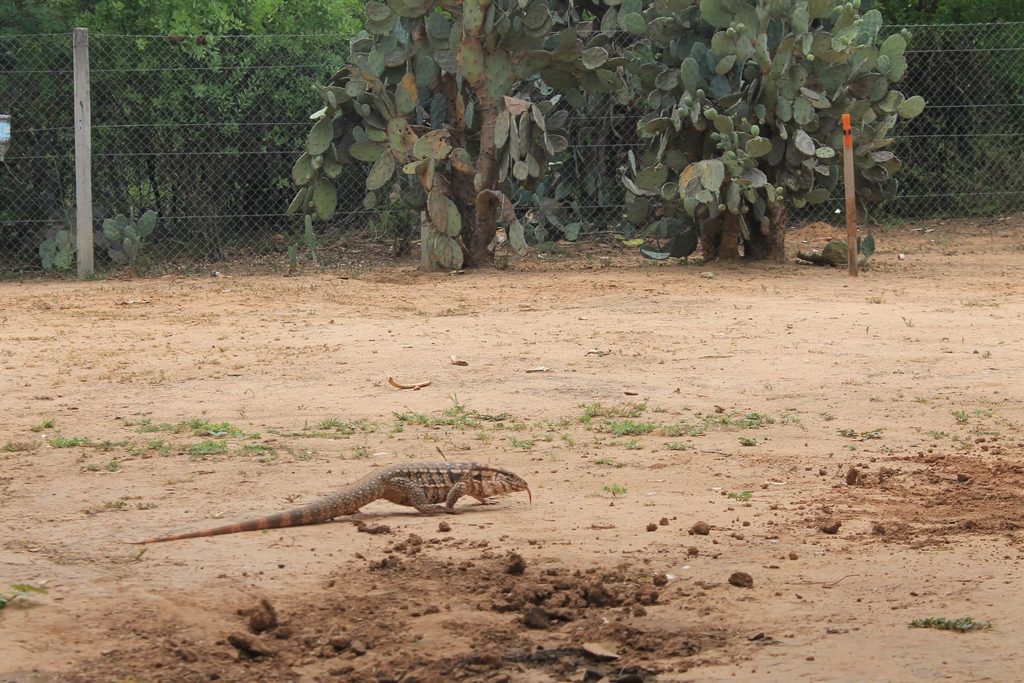
Salvator merianae
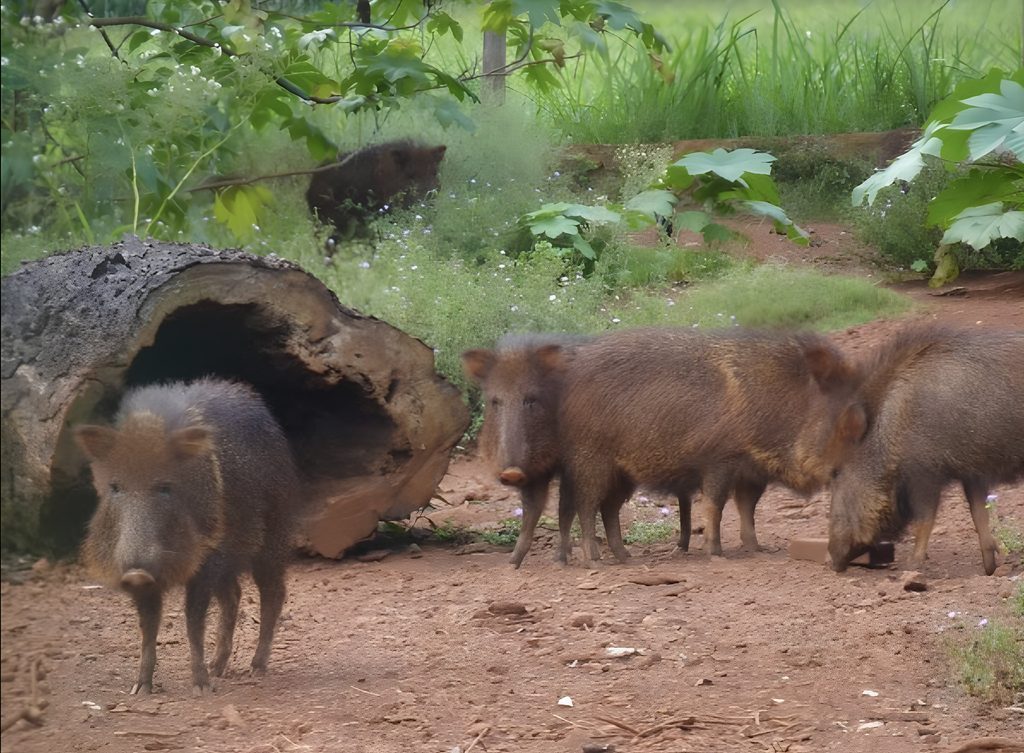
Catagonus wagneri
The communities beyond the forest
The park’s surroundings also have a living human history. Near its northwestern boundary lie Siracua and Segunda Trinchera, Indigenous communities belonging to the Guaraní Ñandeva people. Mennonite settlements form part of the wider Boquerón region, alongside Indigenous communities and other rural populations.
These connections extend into conservation activities. In 2023, Enciso hosted an environmental camp involving young people from several Chaco communities, including Siracua, Pykasu, Ñu Guasu and Campo Loa. Participants explored wildlife monitoring, protected-area management and the work of park rangers.
Exploring Enciso
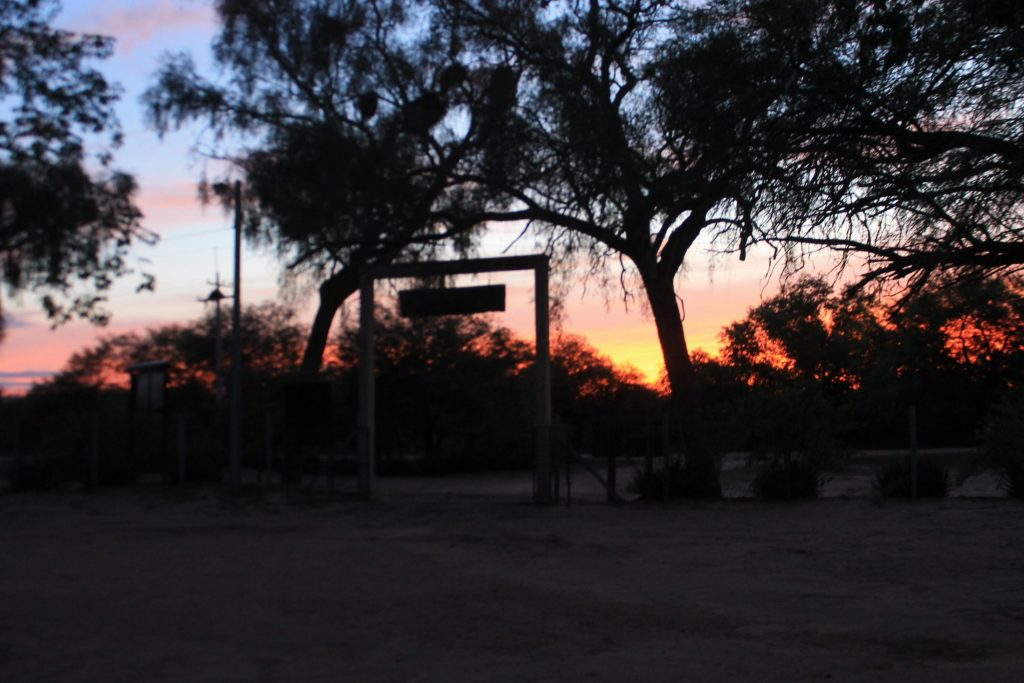
Nature trails, birdwatching and photography offer ways to encounter the park’s landscapes. Historical routes also pass wartime trenches, bringing the forest and the former military outpost into the same journey. Access from Asunción follows the Transchaco highway.
Before travelling, visitors should confirm access with Ministry of Environment and Sustainable Development (MADES). The ministry announced a temporary suspension of visits from 18 December 2025 for infrastructure improvements. A reopening announcement could not be confirmed when preparing this article.
At Teniente Enciso National Park, conservation encompasses wildlife habitats and the surviving marks of war. Beyond its boundaries, neighbouring communities continue their own histories within the wider Chaco landscape.
What comes next?
In the next episode of Into the Wild, we leave the Chaco for Serranía de San Luis National Park, in Concepción, where cerrado landscapes shelter hyacinth macaws and elusive bush dogs.
Read previous episodes of this The Asunción Times series:
Into The Wild #5: Exploring The Forests And Battlefields Of Cerro Corá National Park,
Into The Wild #4: Defensores Del Chaco National Park And The Hills Above The Plain.