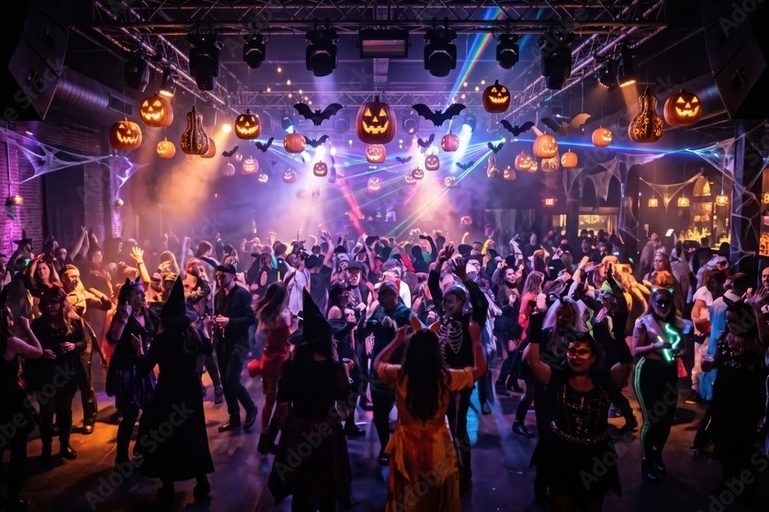

For the second consecutive year, a Halloween ban in the Paraguayan city of Caapucú will prohibit celebrations across the district. Halloween-themed events and activities will be banned in public or private spaces on 30 and 31 October, 2026. The municipality’s mayor published the resolution online leading up to the annual holiday celebrated on October 31st where people dress in costumes, carve jack-o’-lanterns, and go trick-or-treating.
The document provides moral, religious and cultural justifications for the ban. The decision received national media attention and sparked mixed reactions among people with different religious beliefs and across generations.
A second year without Halloween
The restriction, first implemented in 2025, will involve stricter measures in 2026. According to officials, municipal and local police will conduct preventive checks to ensure citizens comply with the regulation. In addition, the authorities have warned offenders with fines, suspension of driving license renewals and closing their businesses.
The official document states that modern Halloween celebrations include “practices and symbols associated with ‘darkness’, ‘death’ and ‘superstition’.” Such activities and concepts are considered to go against the community’s religious and moral identity. In addition, the statement encourages educational, cultural and religious institutions to organise alternative activities around more traditional Paraguayan festivities.
A ban that sparks public debate
The Halloween ban in Caapucú has reignited debate over morality, religion and tradition. Different sectors of the public expressed their views on social media following the resolution’s news. While some praised the decision or argued that Halloween is not originally from Paraguay, others defended the right to gather and decide to participate freely.
For some religious believers, Halloween carries a strong negative connotation. Some view it as a ‘satanic celebration’, others as a form of moral deviation or a foreign festivity threatening to overshadow Paraguay’s customs. This group laments that young people are becoming less and less interested in preserving local practices. Instead, they are adopting new customs believed to, according to some, promote violence and bad habits.
Meanwhile, younger generations generally view Halloween as a harmless and purely recreational activity. Dressing up in costumes and going out with friends are the main reasons why most participate. Although some acknowledge that immoral or evil acts can happen during those days, they regard banning the celebration as excessive.
Halloween vs local practices
Halloween has gained increasing popularity in urban areas in Paraguay. People celebrate the holiday by organising costume parties and contests and decorating homes, schools and businesses with spooky ornaments. In its resolution, the municipality of Caapucú emphasises the importance of preserving local religious and cultural traditions and encourages institutions to organise alternative celebrations.