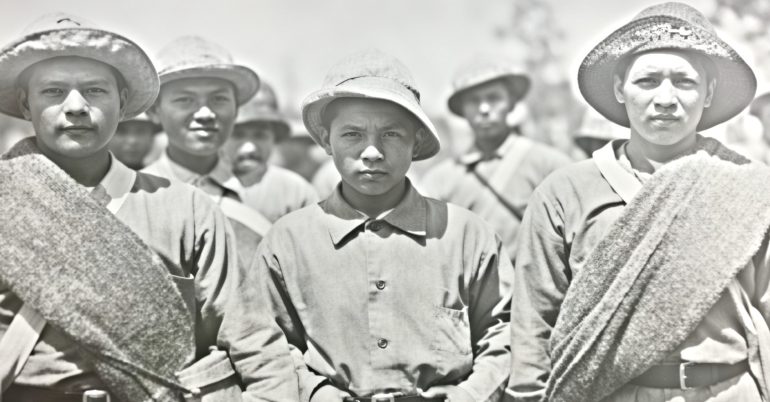

Paraguay commemorates the conclusion of the Chaco War on 12 June each year. Few events have shaped modern Paraguayan identity as profoundly as the struggle fought against Bolivia between 1932 and 1935 across the vast and unforgiving landscapes of the Chaco Boreal.
For many Paraguayans, the this commemoration represents far more than the cessation of hostilities. It is a day associated with sacrifice, national unity, and one of the most significant military achievements in the country’s history. Yet as historians continue to revisit the conflict through new perspectives, the meaning of the Chaco Peace is evolving.
The traditional narrative of military triumph now coexists with broader discussions about indigenous experiences, state expansion, and the complex realities that existed beyond the battlefield.
A nation forged in the Chaco
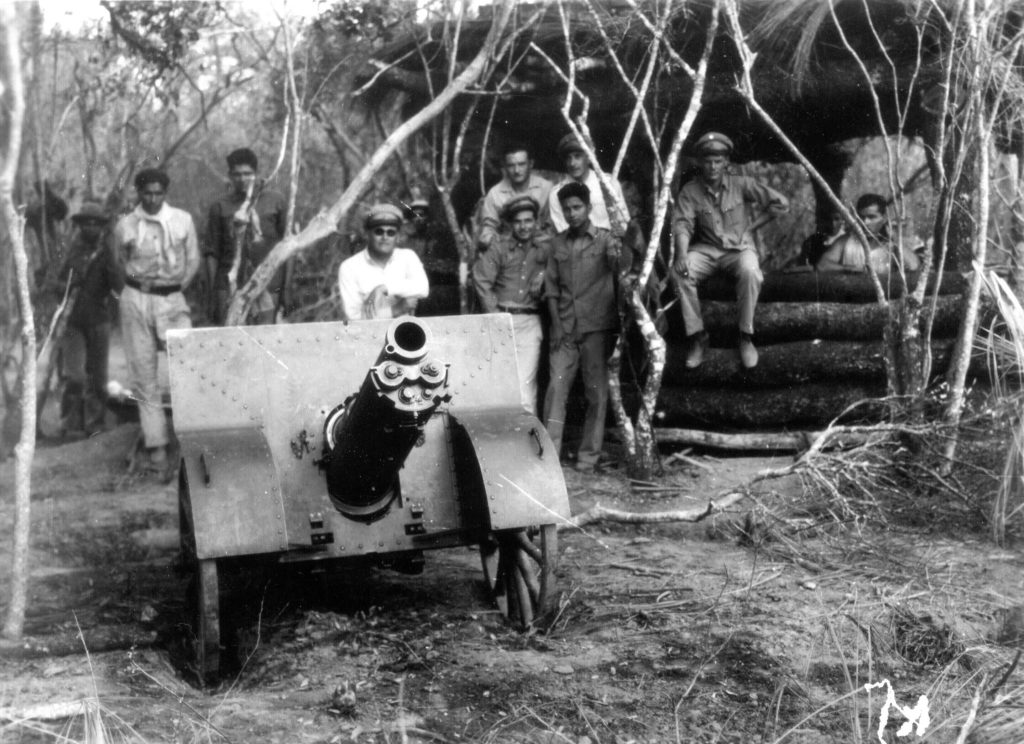
The Chaco War emerged from a territorial dispute that had simmered for decades. Paraguay and Bolivia both claimed sovereignty over the sparsely populated Chaco Boreal, a region characterised by dense thorn forests, extreme temperatures, and scarce water resources.
When war erupted in 1932, Bolivia possessed a larger population, a bigger army, and greater financial resources. Many foreign observers expected a rapid Bolivian victory. Instead, Paraguayan forces demonstrated remarkable adaptability under the command of General José Félix Estigarribia, successfully exploiting their familiarity with the terrain and shorter logistical routes.
The conflict became a defining chapter in Paraguay’s national story. Victories at Campo Vía, El Carmen, and Yrendagüé entered military history as examples of strategic manoeuvre and operational efficiency under extraordinarily difficult conditions.
By the armistice on 12 June 1935, Paraguay controlled most of the disputed territory. It formally retained this land under the Peace Treaty of 1938. For generations, schools, ceremonies, monuments, and veterans’ groups commemorated the war. They presented it as proof of a small nation’s resilience against overwhelming odds.
The human cost behind the triumph
The celebration of victory, however, has never erased the immense human cost of the conflict. Thousands of Paraguayan soldiers endured dehydration, disease, malnutrition, and relentless environmental hardship. Many of the war’s casualties resulted not from combat itself but from the brutal conditions imposed by the Chaco’s climate.
Entire communities contributed to the war effort. Families donated supplies, women organised support networks, and civilians participated in national mobilisation on an unprecedented scale. The conflict left a lasting impact on Paraguayan society, politics, and national identity.
The memory of sacrifice remains central to modern commemorations. For many Paraguayans, the Chaco Peace is inseparable from the memory of those who never returned home.
A forgotten dimension of the story
In recent years, historians have begun exploring aspects of the conflict that received comparatively little attention in traditional accounts.
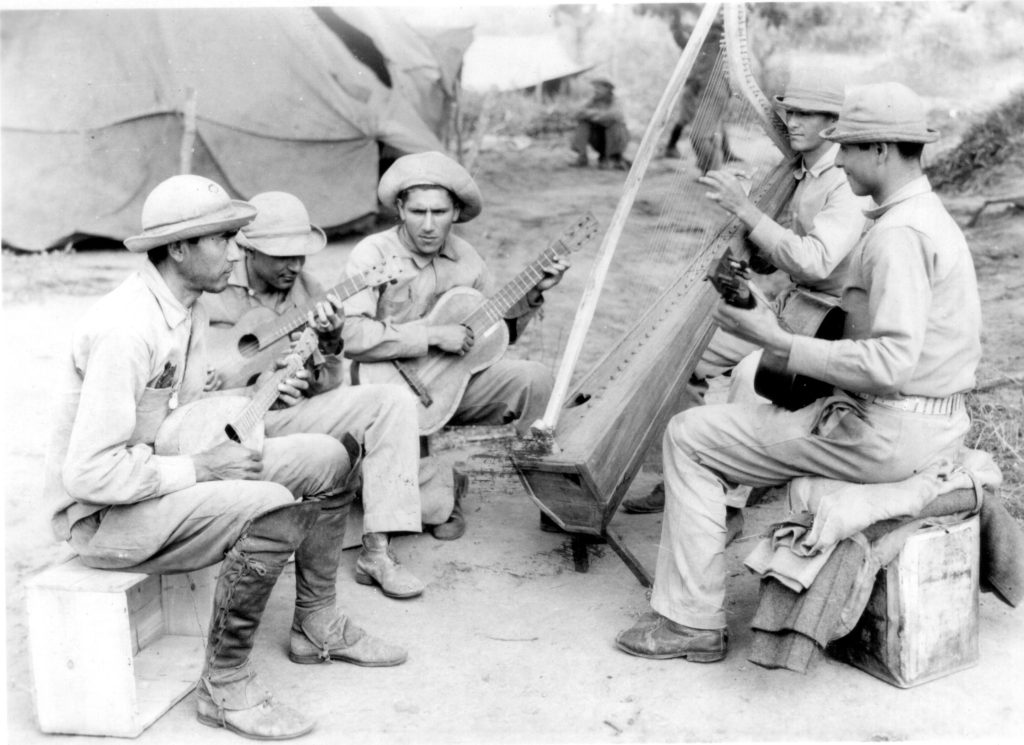
Long before the arrival of national armies, the Chaco was home to numerous indigenous peoples, including the Nivaclé, Enxet, Maká, Ayoreo, and Ishir. These communities possessed extensive knowledge of the region’s geography, water sources, and ecological systems.
Historical research increasingly demonstrates that military operations often depended upon indigenous knowledge of the landscape. Guides, interpreters, labourers, and scouts played important roles throughout the conflict, although their contributions were rarely highlighted in official narratives.
This scholarship does not challenge Paraguay’s military achievements. Rather, it expands the historical picture by recognising that the Chaco was not an empty frontier waiting to be occupied. It was a region inhabited by peoples whose histories intersected with the war in profound ways.
The end of hostilities did not necessarily signify the end of transformation. The expansion of state institutions, missionary activity, and economic development continued to reshape life across the region throughout the following decades.
Remembering the Chaco in the twenty-first century
Today, Paraguay’s commemoration of the Chaco Peace reflects a growing willingness to engage with multiple dimensions of the past. The traditional narrative of courage and military success remains deeply important. It continues to serve as a source of national pride and collective memory. At the same time, historians are increasingly asking how broader social, cultural, and indigenous experiences can be incorporated into the story.
This evolving conversation does not diminish Paraguay’s achievements during the war. Instead, it enriches them by placing the conflict within a wider historical context. As Paraguay marks another commemoration of the armistice, the significance of 12 June lies not only in remembering a military victory or a diplomatic settlement. It lies in recognising the many lives, communities, and experiences that shaped one of the most consequential chapters in the nation’s history.
The Chaco Peace remains a reminder that history is never static. Each generation revisits the past with new questions, uncovering new perspectives while preserving the memories that continue to define a nation.
Find out about the other Paraguayan holidays and their significance in 2026 too.