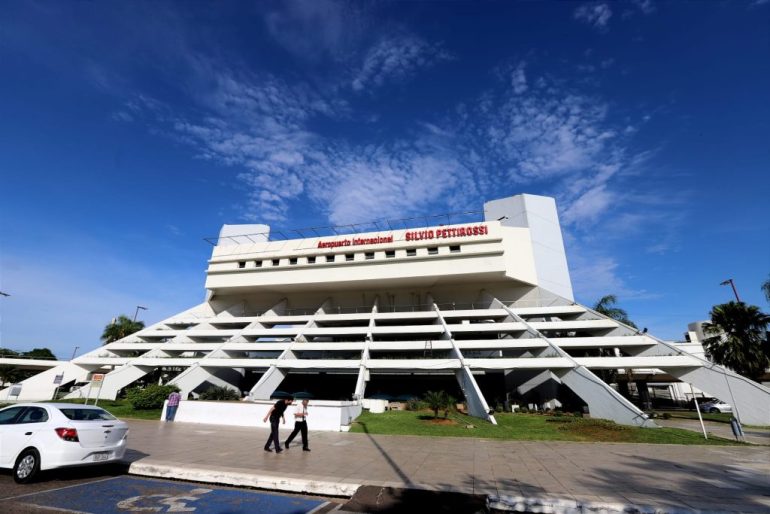

Paraguay’s President Santiago Peña has signed into law a measure that eliminates a 6% tax previously levied on airline tickets in Paraguay. The airline ticket tax reform signals a policy shift aimed at reducing operational costs for carriers and stimulating growth in the country’s aviation industry. This move is expected to make Paraguay a more appealing destination for international airlines to establish and expand their services.
The decision marks a change in how the commercial relationship between airlines and tourism service providers is structured. Consequently, it alters the financial landscape for companies operating flights to and from Paraguay.
The previous regulatory framework
Before this legislative change, all airlines operating in Paraguay were legally mandated to pay a commission equivalent to at least 6% of the fare for every ticket sold. This payment was directed towards tourism service providers that were officially registered with the country’s National Tourism Registry, known as the Registro Nacional de Turismo. This system effectively created a fixed operational cost that was directly tied to ticket sales.
This long-standing requirement, according to institutions, ensured that local travel agencies and tour operators received a guaranteed income stream from air travel. However, it also imposed a rigid and unavoidable expense on airlines, which limited their pricing flexibility and added a significant layer to their cost base. This structure was seen by proponents of the new law as a barrier to increasing competition within the aviation market.
A shift towards free market negotiations
The new airline ticket tax law completely dismantles this mandatory commission system. From now on, all economic conditions, commissions, and fees for intermediation services will be determined through free and direct negotiations between the airlines and the travel agencies. This transition from a regulated model to a market-driven approach provides both parties with the autonomy to forge their own commercial agreements based on mutually agreed terms.
This change is intended to create a more dynamic and competitive environment. Airlines will now have greater control over their distribution costs, while travel agencies will be able to negotiate terms that reflect the value of the services they provide. The liberalisation of these agreements is seens as a core component of the government’s strategy to modernise the sector.
Stimulating competition and enhancing connectivity
A primary objective of the reform is to make the Paraguayan market more attractive to new and existing airlines. By removing the 6% mandatory cost, the government aims to lower the financial threshold for carriers considering launching or expanding routes in the country. Officials believe this will foster greater competition, which could, in turn, lead to an increase in flight frequencies, the opening of new international routes, and potentially more competitive ticket prices for consumers.
The Presidency of the Republic stated that this initiative is part of a broader government effort to open more doors for Paraguayans to connect with destinations across the globe. Enhanced air connectivity is considered crucial for a landlocked country like Paraguay, as it facilitates international trade, tourism, and business travel, all of which are vital for economic development.
Airline ticket tax reform: Broader economic implications
The impact of this policy is expected to extend beyond the aviation industry. A more accessible air travel market can act as a significant catalyst for the national economy. For instance, an increase in the number of inbound international flights would likely provide a substantial boost to the tourism and hospitality sectors, bringing more visitors and foreign currency into the country.
Furthermore, improved connectivity can make Paraguay a more appealing hub for regional business and investment. The government’s vision is that by creating a more favourable operating environment for airlines, it will generate positive ripple effects across various economic sectors. The measure is therefore positioned not merely as an industry-specific reform but as a strategic step towards strengthening Paraguay’s position in the global economy.
Also read: Paraguay In Talks With Taiwan Airlines For Direct Taipei-Asunción Flights.