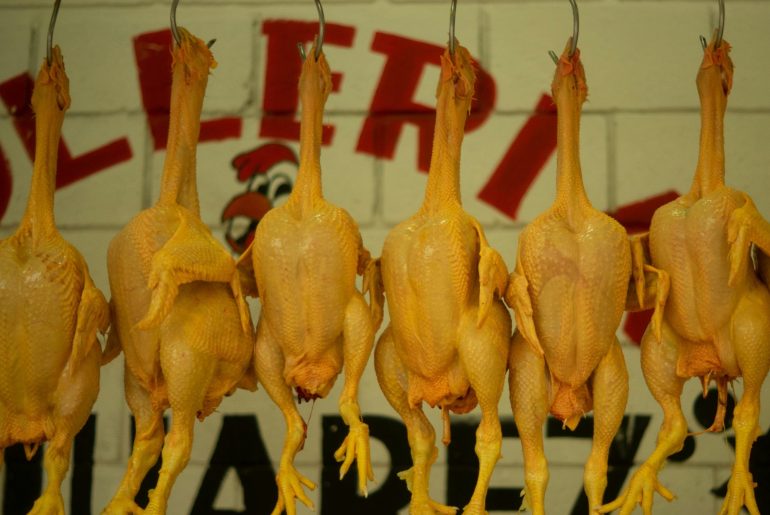

Paraguay has officially secured authorisation for direct poultry exports to the United Arab Emirates (UAE). The authorisation marks a significant milestone for the country’s agricultural and export sectors. The approval follows the successful completion of sanitary and technical negotiations between Paraguayan authorities and Emirati officials. This achievement opens access to one of the Middle East’s most important food-import markets.
The agreement represents a major strategic achievement for Paraguay’s poultry industry. In recent years, this industry has been pursuing new international destinations beyond South America. Until now, Paraguayan poultry products were mainly exported through third-party channels such as Brazil or Uruguay. Therefore, volumes remained limited, and demand was not particularly high.
Diplomatic and technical efforts behind the agreement
According to Paraguayan authorities, the approval was obtained after months of diplomatic coordination. Also, rigorous technical assessments carried out by the National Service for Quality and Animal Health (SENACSA), the Ministry of Foreign Affairs, and Paraguay’s embassy in Abu Dhabi. Emirati regulators evaluated Paraguay’s sanitary standards, traceability systems, and production controls before granting official market access. Officials described the decision as the result of sustained technical and diplomatic work aimed at strengthening Paraguay’s international commercial presence.
Why the Emirati market matters
The UAE is regarded as one of the largest poultry importers in the Middle East. Their imports were valued at approximately US$1.3 billion in 2025. The country’s strong reliance on imported food products offers considerable opportunities for international suppliers. For Paraguay, access to this market not only represents economic potential but also international recognition of the reliability of its livestock industry and sanitary systems.
Paraguay’s poultry expands abroad
For decades, Paraguay’s international meat trade was dominated primarily by beef exports. In the meantime, poultry production remained largely focused on the domestic market and limited regional trade. However, the sector has gradually modernised its industrial infrastructure, strengthened sanitary protocols, and increased efforts to enter high-value foreign markets.
The opening of the Emirati market comes shortly after another important development for the industry: Taiwan’s approval of Paraguayan poultry imports earlier in 2026. Together, both agreements signal a broader transformation in Paraguay’s export strategy. Now it is aimed at diversifying destinations and strengthen its position within global protein markets.
Despite the optimism surrounding the announcement, the industry still faces significant challenges. Paraguay must compete against major global poultry exporters such as Brazil and the United States while maintaining strict sanitary controls amid international concerns over avian influenza outbreaks. Exporters must also overcome logistical costs and continue expanding industrial capacity to satisfy larger-scale demand in highly competitive international markets.
A new phase for Paraguayan agribusiness
Nevertheless, the opening of direct poultry exports to the United Arab Emirates is widely considered a landmark moment for Paraguay’s agribusiness sector. As global demand for reliable and traceable protein sources continues to grow, Paraguay is increasingly positioning itself as a competitive supplier within international markets. For the country’s poultry industry, access to the Emirati market represents not merely a new commercial destination, but the beginning of a more ambitious phase of international expansion.