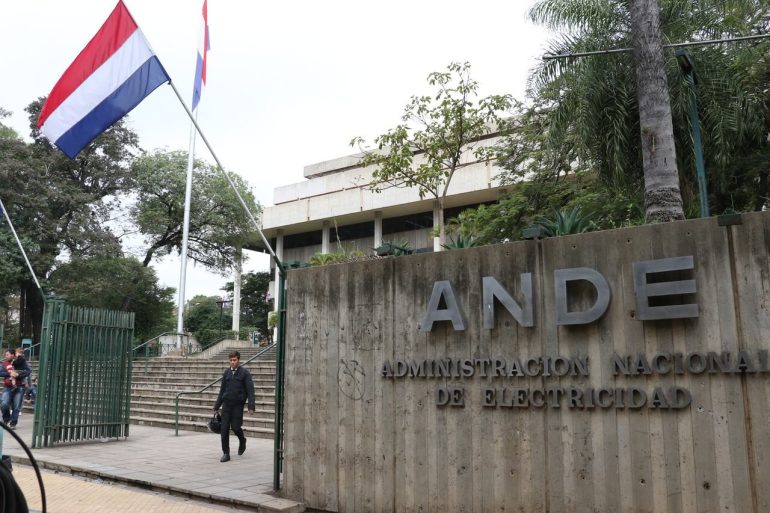

Paraguay is opening its electricity sector to private investors. The government has enacted regulations for the Non-Conventional Renewable Energy Law, partially opening the national electricity market to private investment for the first time.
The new framework does not fully liberalise the sector. The National Electricity Administration (ANDE), the state-owned utility that manages Paraguay’s electricity grid, retains its central role. However, the regulations create new avenues for private companies, businesses, and individual households to participate in energy generation and commercialisation.
The country has been experiencing a sharp rise in electricity demand, with consumption rising 17.5% in the first quarter of 2026 compared to the same period last year. The new regulations represent a direct response to that growing pressure on the national grid.
Homegrown energy
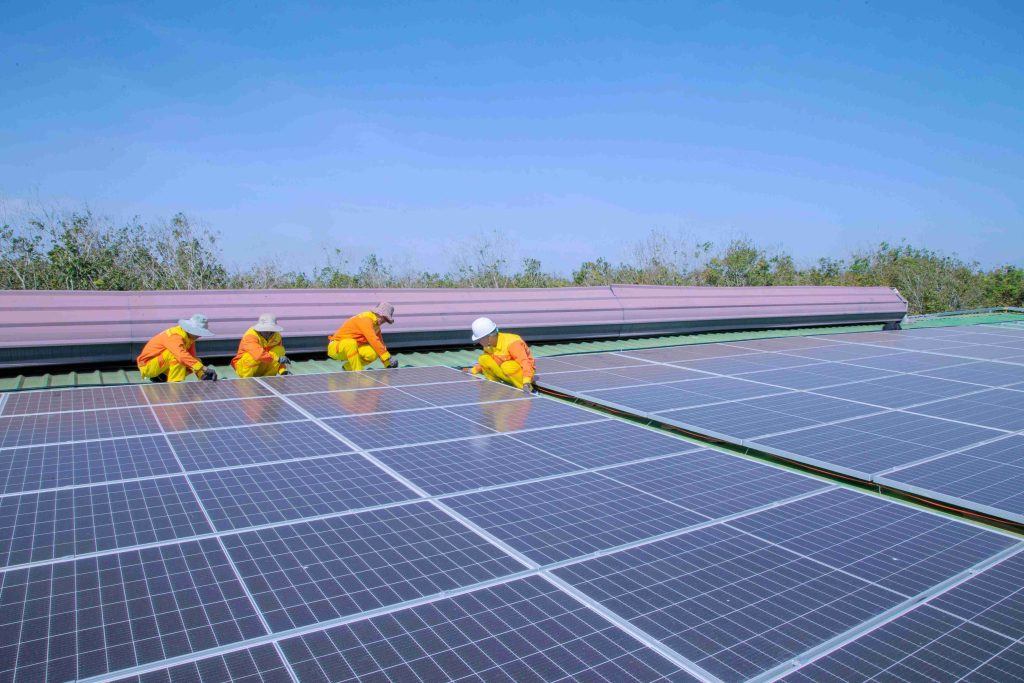
The regulations now allow homes, businesses and industries to install solar panels and self-generation systems. Households can inject surplus electricity back into the national grid.
For systems below one megawatt of capacity, ANDE will be obligated to purchase the excess energy produced. The mechanism used is known internationally as “net metering,” whereby a user’s electricity bill reflects the difference between what they consume and what they generate. IParaguayan households and businesses can now reduce electricity costs by producing their own renewable energy. In some cases, they may also generate income from it.
First tender: 140 megawatts for the Chaco
Beyond self-generation, the regulations also open the door for private companies to compete in tenders for larger electricity generation projects. The government expects the first call for bids to target 140 megawatts in the Chaco Central. This vast semi-arid region in western Paraguay has become one of the country’s most dynamic economic zones.
The Chaco is undergoing a rapid transformation. Historically dependent on cattle ranching, the region is now attracting agroindustry investment and is set to benefit from the construction of the Bioceanic Road Corridor, an international route that will connect Brazil to Pacific ports through Paraguay and Argentina. This expanding economic activity has substantially increased electricity demand in the region, making infrastructure investment both urgent and strategically important.
ANDE President Félix Sosa noted the Chaco’s energy needs have shifted beyond traditional livestock farming. A new agro-industrial profile now demands reliable power, especially for electricity-dependent irrigation systems.
ANDE currently has transmission works under execution worth approximately US$375 million, and has previously secured a US$168 million investment to strengthen the national power system. This expanding activity is driving a sharp increase in electricity demand, making new infrastructure investments both necessary and strategic.
Long-term contracts and regional ambitions
To attract private investors, the regulations establish that energy purchase contracts will be long-term, offering greater legal and financial predictability. Private companies can now sell electricity directly to large industrial consumers exceeding 30 megawatts. They may also explore export opportunities to regional markets.
Paraguay is also pursuing stronger energy integration within Mercosur, with plans to advance new cross-border interconnections, particularly with Argentina and Brazil.
Paraguay’s renewable energy market has seen its most significant structural opening in recent years. The reforms aim to turn clean energy into a competitive advantage for attracting investment.