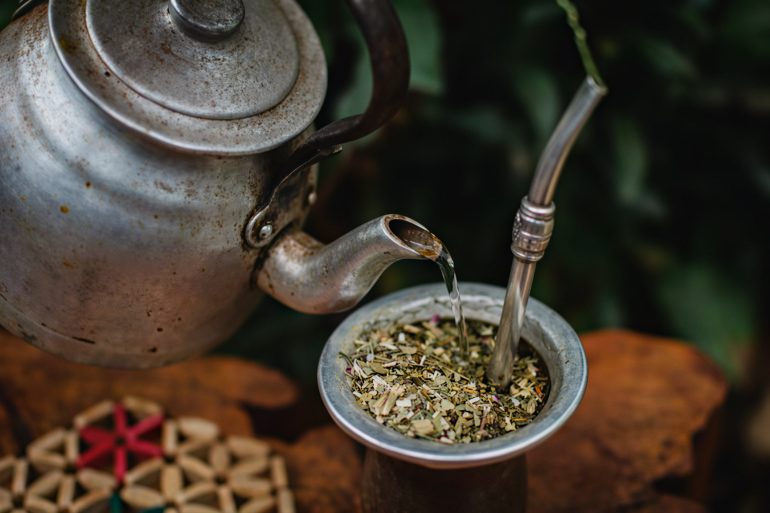

Although Paraguay is internationally associated with tereré, its refreshing cold infusion of yerba mate, the traditional hot version remains deeply woven into the country’s daily life. More than a simple beverage, mate represents conversation, hospitality and a shared cultural identity that has connected generations across South America.
Paraguayan families and friends continue to gather around strong, naturally bitter hot mate. Each shared cup strengthens a tradition woven into everyday life. While mate cocido, brewed like tea, offers a milder alternative, the classic infusion remains a symbol of Paraguayan heritage.
During the colder months, families prepare mate in a variety of ways. Some sweeten it with sugar, while others add milk or coconut powder. For many Paraguayans, however, the preferred version is the simplest one: pure, strong and bitter.
A drink with ancient roots
To make mate, people steep the dried leaves of Ilex paraguariensis, a plant native to South America. Long before European colonisation, the Indigenous Guaraní people of present-day Paraguay and neighbouring regions drank the infusion, believing it provided energy while holding deep spiritual significance.
During the seventeenth century, Jesuit missionaries began cultivating the plant on a larger scale. Their organised methods of production expanded the cultivation of yerba mate. As a result, the drink spread throughout the Río de la Plata region, including present-day Paraguay, Argentina, Uruguay and southern Brazil.
The ritual of sharing mate in Paraguay
Gathering around a shared gourd is one of the most recognisable traditions associated with mate. Friends, relatives or colleagues sit together while one person prepares the infusion and passes it around the circle. Each participant sips through the same metal straw, known as a bombilla, then refills the gourd and passes it to the next person in the circle.
This simple routine reflects values that extend far beyond the drink itself. Sharing mate encourages conversation, creates moments of connection and expresses mutual trust. Whether at home, in the workplace or outdoors with friends, the ritual strengthens relationships and fosters a sense of community that remains central to Paraguayan life.
One drink, many traditions
Although mate originated in Paraguay, it has become an integral part of life across much of South America, with each country developing its own customs and flavours.
People in Argentina and Uruguay traditionally drink mate hot and appreciate its robust, bitter taste, reflecting generations of cultural tradition. In Paraguay, people prepare tereré with cold water or juice. They often add medicinal herbs or citrus. The drink provides welcome refreshment in the country’s warm climate.
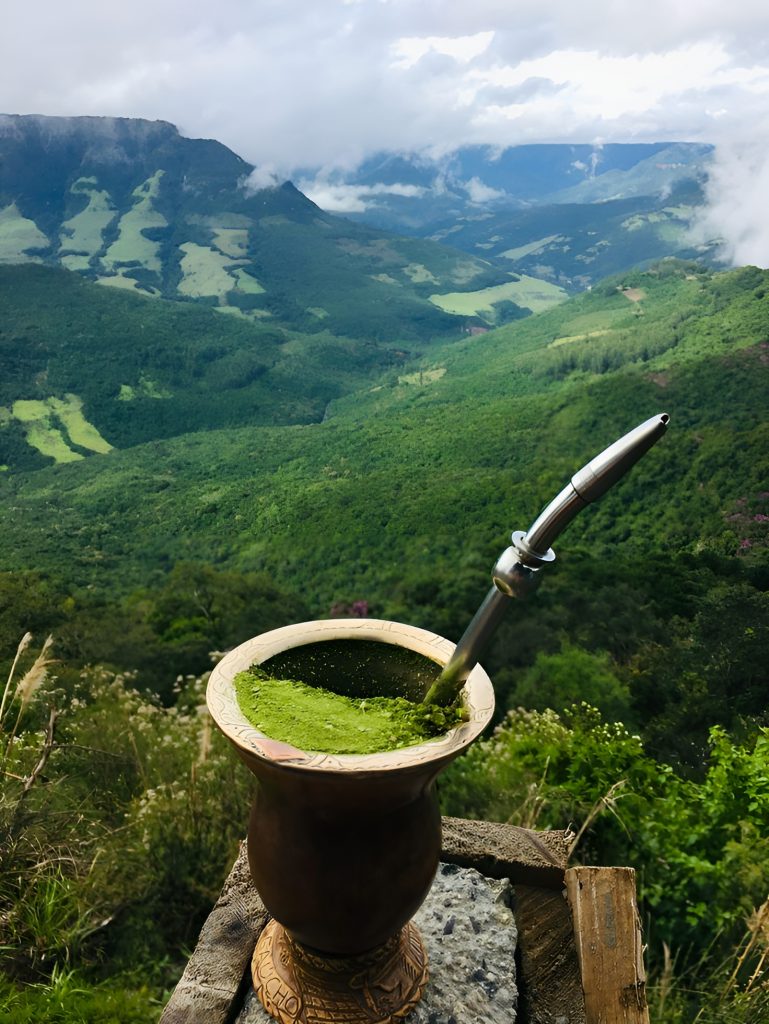
Further south, people in Brazil prepare chimarrão with finely ground yerba, creating a bright green infusion with a fresh, grassy flavour. A gentler alternative, mate cocido, is brewed much like tea using loose leaves or tea bags. In some regions, people soften mate’s bitterness by adding sugar, milk or coconut powder.
Within Paraguay itself, several regional variations continue to flourish. Mate amargo (bitter mate) is prepared with jaguarete ka’a and fennel seeds, creating a sharp, invigorating flavour. The Mate dulce (sweet mate) often includes ka’a he’ê (stevia), sage leaves or honey grass for a naturally sweeter taste. Mate aromático combines herbs such as dill, anise and chamomile to produce a fragrant, soothing infusion.
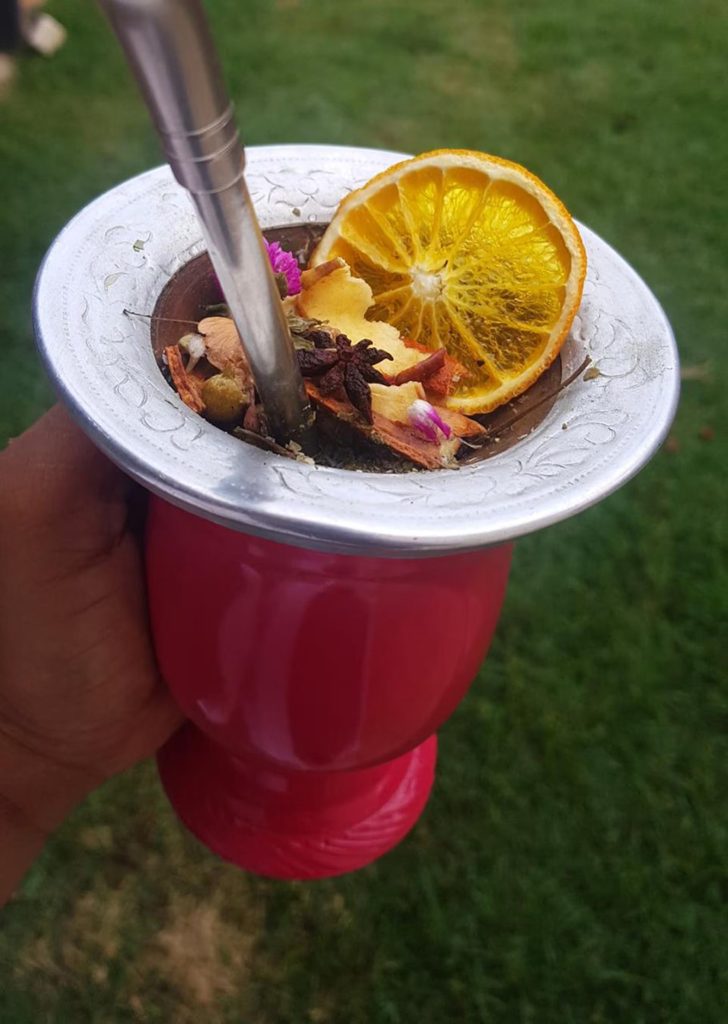
Another popular preparation is mate antipirético (antipyretic mate), which blends star anise, boldo, cinnamon peel and orange peel. Traditionally valued for its medicinal properties, it reflects the long-standing relationship between mate and herbal remedies in Paraguayan culture.
Together, these regional traditions demonstrate the remarkable versatility of mate. Adapted to suit different climates, tastes and customs, the drink continues to evolve while preserving the spirit of sharing and community that has defined it for centuries.