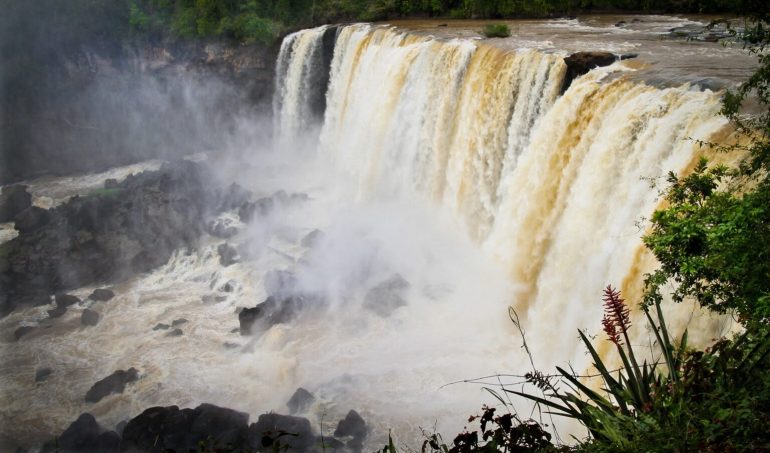

Paraguay has secured a place on the world conservation map. The Alto Paraná Biosphere Reserve has joined UNESCO’s World Network of Biosphere Reserves, covering more than 172,000 hectares. The announcement was made during the 38th Session of the International Co-ordinating Council of the Man and the Biosphere Programme, held at the Itaipu Hydroelectric Dam in eastern Paraguay. The designation places the country among nations leading biodiversity protection through internationally recognised conservation models.
The reserve spans four municipalities in Alto Paraná Department – Ñacunday, Presidente Franco, Los Cedrales and Domingo Martínez de Irala – and contains remnants of the Upper Paraná Atlantic Forest, one of Paraguay’s most important ecosystems. The forest provides habitat for numerous species, protects water resources and strengthens ecological connectivity throughout the region.
What the designation means
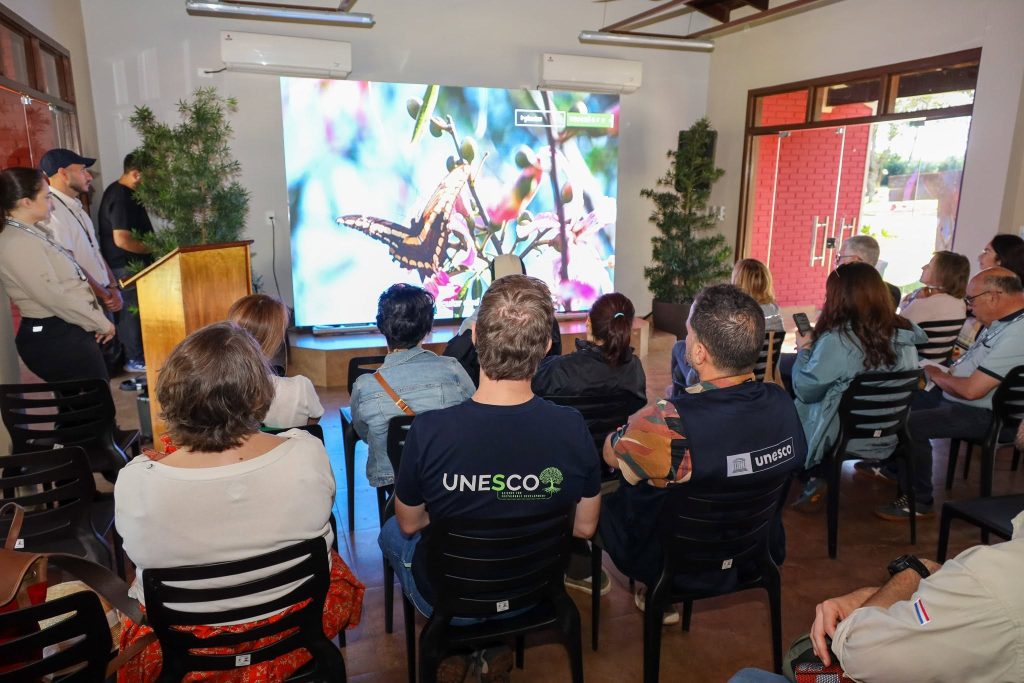
For Justo Zacarías Irún, Director General of Itaipu Paraguay, the recognition carries significant weight. “This declaration is the international validation of a territorial management model,” he says, noting that it brings together biodiversity conservation, sustainable development, research, environmental education and participatory governance under a single framework.
uthorities plan to strengthen links between the Alto Paraná and Itaipu Biosphere Reserves. UNESCO recognised the Itaipu reserve in 2017. Together, they aim to create a larger conservation corridor of regional significance.
Key ecosystems at the heart of the reserve
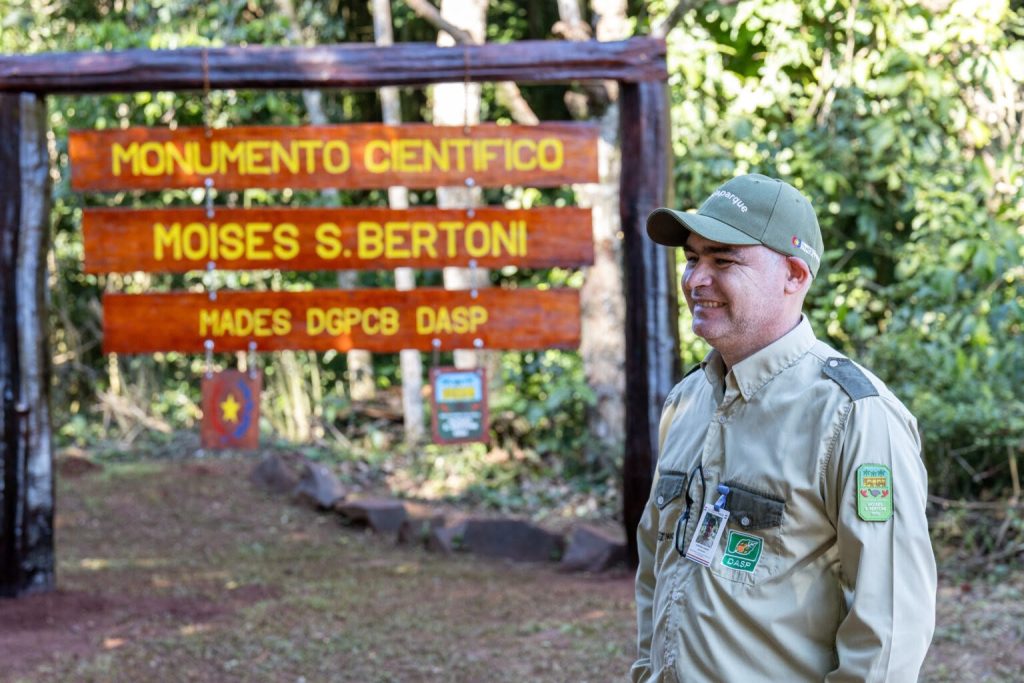
Two protected areas form the ecological core of the reserve. Ñacunday National Park preserves native forests, while the Moisés Bertoni Scientific Monument protects ecosystems of high scientific value. Together they provide refuge for wildlife and serve as sites for biodiversity research and environmental education.
Carlos Monges, Director General of Biodiversity Protection and Conservation at the Ministry of Environment and Sustainable Development, welcomed the recognition. “We know that Alto Paraná is one of the most beautiful areas of our country. It has immense natural resources. We want to conserve intelligently and pursue sustainable development. We believe this is the right step,” he said.
Years of work behind the recognition
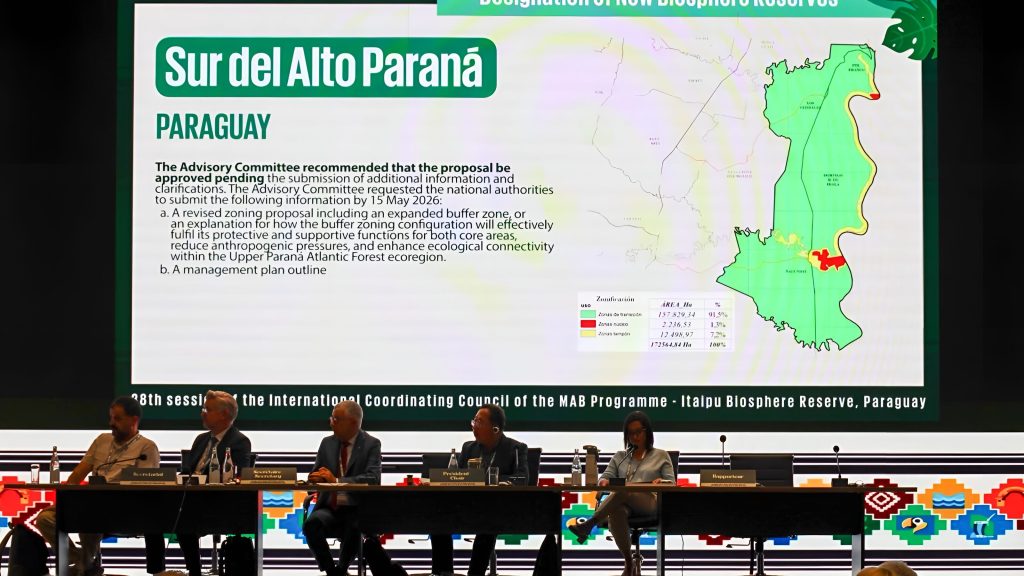
The designation reflects sustained collaboration between environmental authorities, researchers and diplomatic representatives. Nancy Ovelar, Paraguay’s Permanent Delegate to UNESCO, highlighted the collective effort behind the nomination process, crediting years of planning and cooperation as essential to achieving international recognition.
UNESCO biosphere reserves are designed to balance environmental protection with human activity, allowing communities and ecosystems to develop alongside one another. With the inclusion of the Alto Paraná Biosphere Reserve in the global network, Paraguay strengthens its commitment to the Upper Paraná Atlantic Forest and gains greater visibility in international conservation. As environmental challenges grow worldwide, the reserve stands as a concrete example of what sustainable territorial management can look like in practice.
Also read Paraguay-Based Explorer Henry Maillet Joins National Geographic Community