

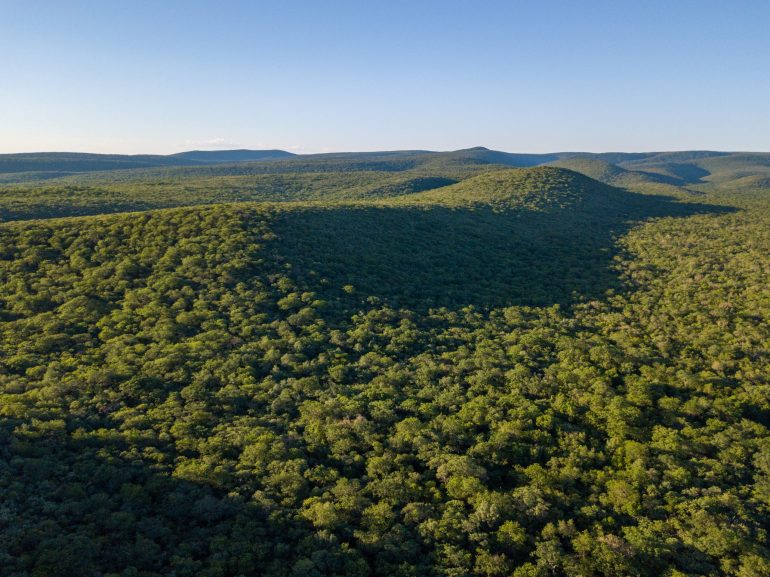

Every 28 June, the world celebrates World Tree Day. This a date that invites reflection on the importance of trees not only as environmental pillars, but also as cultural and historical symbols. In Paraguay, this connection runs deep. Trees are not merely part of the landscape, they are part of everyday life, memory and identity.
From the humid and dry plains of the Chaco to the leafy avenues of Asunción, Paraguay´s native and naturalised trees tell stories of resilience, adaptation and coexistence. Some trees have been utilised for centuries, others, like Paraguay’s national lapacho tree, admired for their beauty, and many play a key role in sustaining ecosystems. On World Tree Day, The Asunción Times introduces you to 5 Paraguayans trees.
Samu´u: The living water reservoir
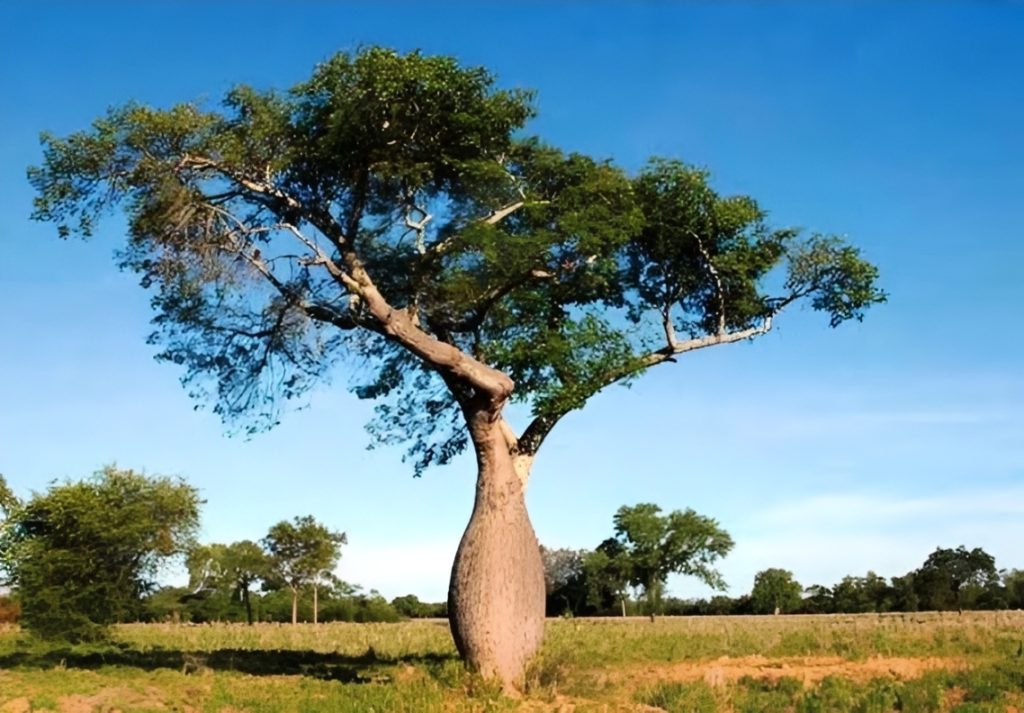
This tree is known scientifically as Ceiba. In Guaraní is known as “samu´u”, and is Spanish is “palo borracho”. It is one of the most visually striking trees in Paraguay. Its swollen, spiny trunk is not just aesthetic, it serves a vital function. The tree stores large amounts of water in its trunk, allowing it to survive long periods of drought. In a way, its distinctive “torso” is a natural reservoir.
Its flowering usually occurs between late summer and early autumn, when it produces large, striking flowers that stand out against its trunk and branches. Historically, its soft wood has been widely used. Indigenous and rural communities crafted canoes, masks and feeding troughs from it, while even coffins were carved from a single trunk during the colonisation of the Chaco. Its fruit releases seeds wrapped in a cotton-like fibre known as kapok, once used in life jackets due to its water-repellent properties.
Yvyra pytã: Utility and beauty
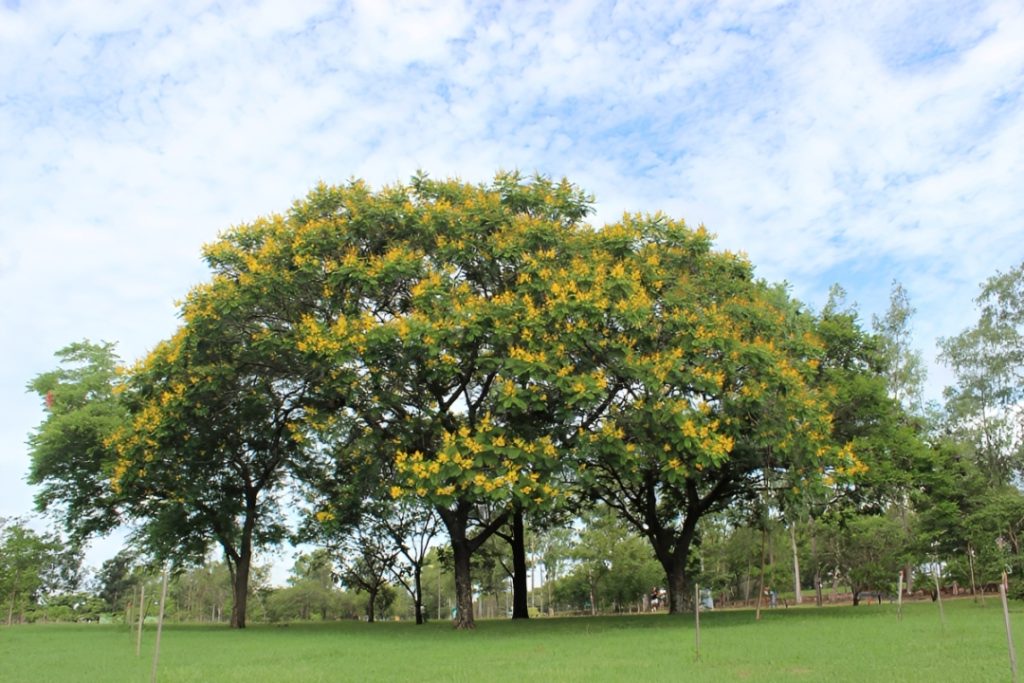
The Peltophorum dubium in Paraguay is commonly known as yvyra pytã. This name comes from Guaraní and means “red tree” or “red stick”. The yvyra pytã is a symbol of strength and resilience. Native to South America and widely distributed across Paraguay, this tree can reach up to 30 metres in height, with a broad, rounded canopy that provides generous shade.
Its flowering takes place mainly in spring and early summer, when its bright yellow blossoms cover the tree and attract pollinators. Its wood is highly valued in construction, furniture and even naval uses due to its durability. Beyond its economic importance, it plays a crucial ecological role. As part of the legume family, it contributes to soil fertility through nitrogen fixation, while its flowers provide nectar for bees and shelter for wildlife. In urban spaces, it is also appreciated for its bright yellow blossoms and its ability to reduce heat.
Jacarandá: One of the colours of Paraguayan spring
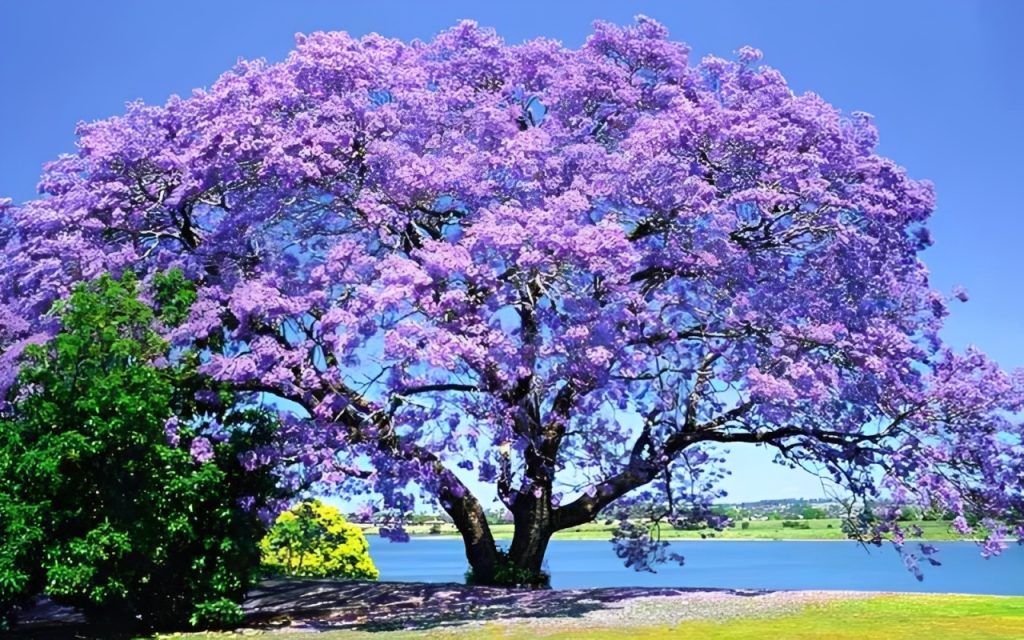
Few trees are as iconic during spring as the jacaranda. Particularly the species Jacaranda mimosifolia. Its violet-blue flowers transform cities and landscapes, creating one of the most recognisable seasonal images in Paraguay.
Reaching between 12 and 15 metres in height, the jacarandá is widely used in urban planning due to its resistance and non-invasive roots. Its flowering, usually in November, paints streets, parks and plazas in shades of purple. Sometimes with a lighter second bloom in summer. While its shade is not particularly dense, its visual impact makes it one of the most beloved ornamental trees in the country.
Quebracho: The “axe breaker”
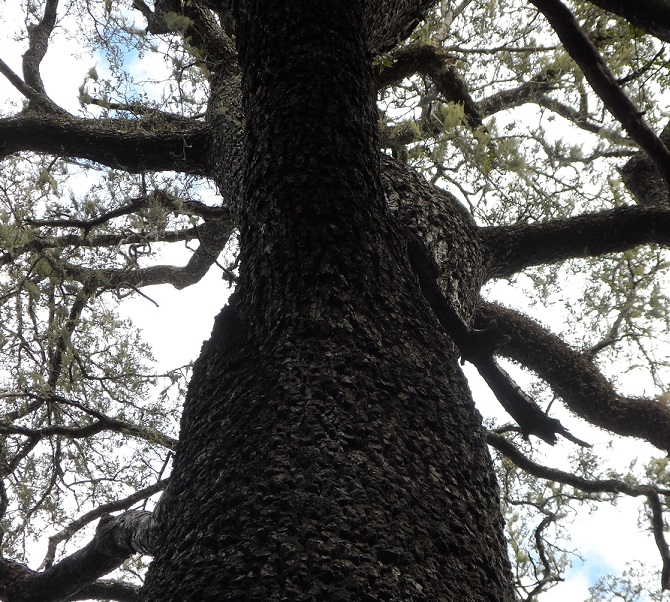
The quebracho colorado is scientifically known as Schinopsis balansae. This is one of the most historically significant trees in Paraguay´s Chaco region. Its name, derived from Spanish, literally means “axe-breaker”, a testament to the extreme hardness of its wood.
Its flowering is less visually prominent than other species, generally occurring in warmer months, with small, less conspicuous flowers. Rich in tannin, it played a central role in the tannin industry. Particularly during the era of large-scale exploitation linked to companies such as the Carlos Casado tannin enterprise. Its wood has been used for railway sleepers, construction and durable structures resistant to time and water.
However, this same value led to overexploitation, causing a significant reduction of mature trees over time. Today, the quebracho stands as both a symbol of industrial history. Also, a reminder of the need for sustainable resource management.
Mango tree: The overlooked treasure
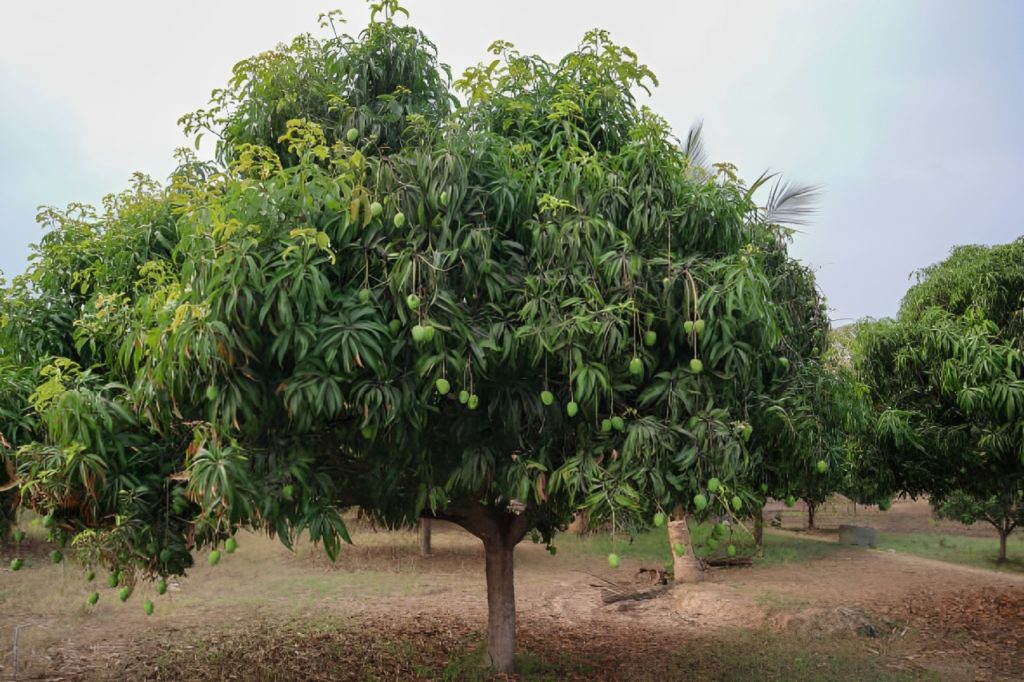
Although not native, the mango tree, associated with the species Mangifera indica, has become deeply integrated into Paraguayan life. Found in backyards, streets and open spaces, it is both a source of shade and nutrition. Its flowering generally occurs in late winter and early spring, leading to fruit production in the summer months.
Its fruit is rich in vitamins A and C, as well as minerals such as potassium and iron. Beyond its nutritional value, mango is also linked to well-being due to its content of tryptophan, which helps stimulate serotonin production. Interestingly, while highly valued in regions where it is scarce, in Paraguay it is often taken for granted due to its abundance. Yet, its presence is a defining feature of many neighbourhoods, especially during summer, when fallen fruit becomes part of the everyday scene.
World Tree Day in Paraguay: Roots of identity and future
Trees in Paraguay are more than biological organisms. They are witnesses to history, providers of resources and symbols of cultural continuity. From the water-storing samu´u to the resilient quebracho and the vibrant jacarandá, each species reflects a different facet of the country.
On World Tree Day, recognising these trees also means acknowledging the responsibility to protect them. As urbanisation and environmental pressures grow, preserving these species is essential not only for ecological balance, but also for maintaining a living connection with Paraguay’s heritage. In their shade, colours and roots, these trees continue to tell the story of a nation.

