

Few nations carry Paraguay’s aura of mystery, linguistic singularity, and turbulent history. These five books set in Paraguay are the finest English-language window into that hidden world. Overshadowed in English-language literature by regional giants like Brazil and Argentina, Paraguay nevertheless appears in a remarkable body of writing that captures the country in all its contradictions: isolated yet cosmopolitan, tragic yet absurd, deeply rooted yet elusive.
These five books deliver the most compelling English-language literary portraits of Paraguay ever written.
1. The News from Paraguay by Lily Tuck (2004)
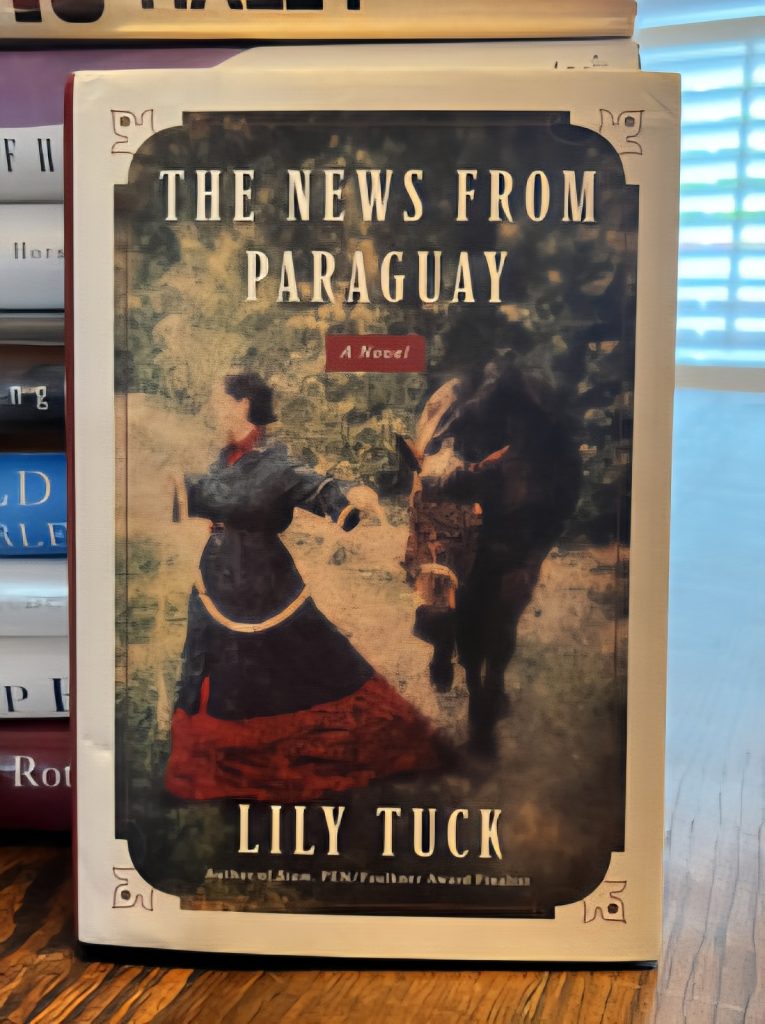
American novelist Lily Tuck is celebrated for her lyrical prose and obsessive historical research. The News from Paraguay won the National Book Awards in 2004, cementing its place as one of the most acclaimed novels ever written about Paraguay in English. Set during the 19th century, the novel follows Eliza Lynch, the Irish woman who became the companion of Paraguayan leader Francisco Solano López. Leaving European high society behind, she follows López to Paraguay. She rises to near-mythic status during the catastrophic War of the Triple Alliance.
Tuck transforms Paraguay into a vivid, almost feverish landscape of tropical beauty, political obsession, and looming destruction. Through Eliza Lynch’s eyes, readers witness the glamour and decay of the López era. The novel captures war’s brutality and the strange magnetism Paraguay has long exerted on outsiders.
2. Patria: Lost Countries of South America by Laurence Blair (2024)
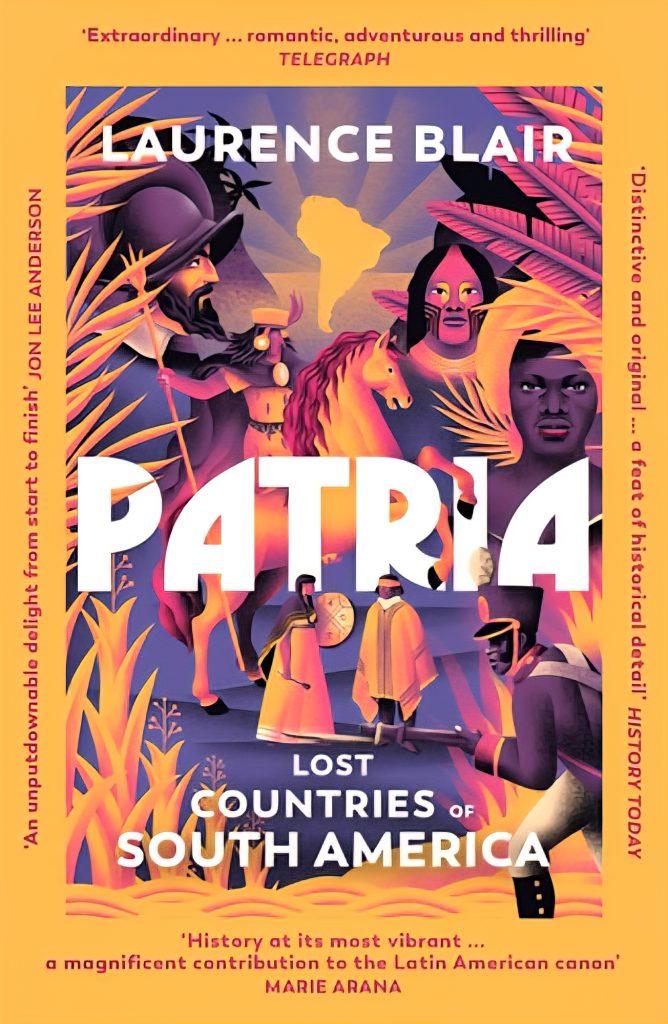
British journalist and historian Laurence Blair has spent years living and travelling across South America, including in Paraguay itself. His work blends reportage, travel writing, and historical investigation with a fascination for forgotten nations and borderlands. Published in 2024, Patria explores vanished republics, failed states, and lost national identities across the continent. Rather than recounting official histories, Blair focuses on the regions and peoples that resisted conventional ideas of nationhood.
Paraguay occupies a central place in Blair’s narrative. He revisits the era of José Gaspar Rodríguez de Francia, the enigmatic dictator who isolated the country from the outside world before tracing the national trauma left behind by the War of the Triple Alliance. Having lived in Paraguay, Blair brings rare firsthand knowledge to his writing. His portrayals of the Chaco and contemporary Paraguayan identity feel intimate rather than exoticised.
3. At the Tomb of the Inflatable Pig by John Gimlette (2003)
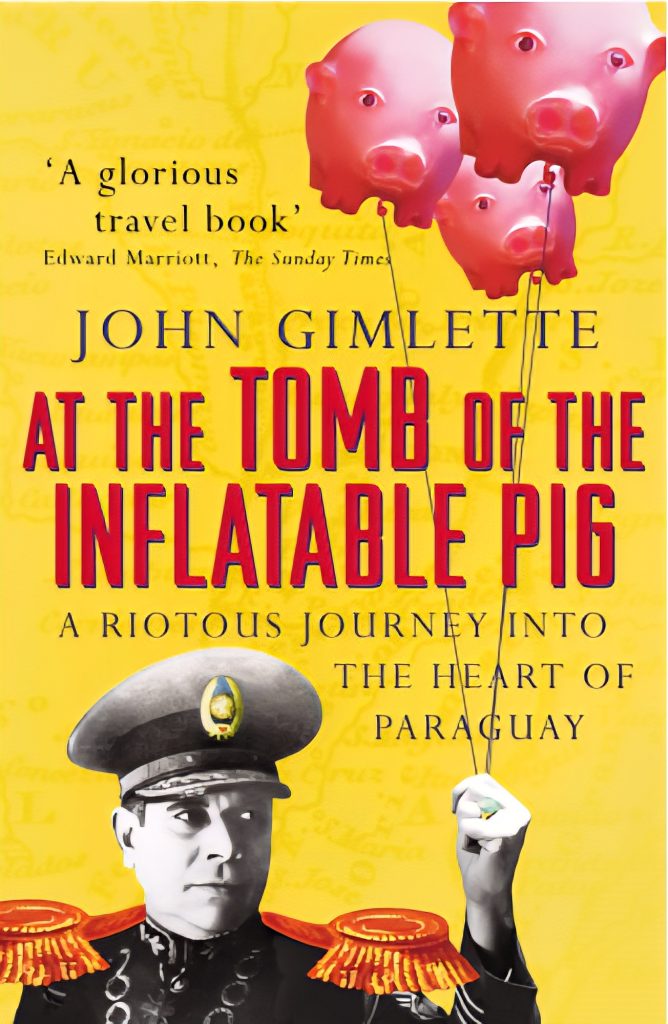
John Gimlette is one of Britain’s most distinctive travel writers, known for uncovering the eccentricities and hidden histories of overlooked places. John Gimlette is one of Britain’s most distinctive travel writers, known for uncovering the eccentricities and hidden histories of overlooked places. In the Books Set In Paraguay selection, the book follows Gimlette across Paraguay in search of the bizarre, the tragic, and the surreal. Along the way, he encounters Mennonite colonies, Jesuit ruins, smugglers, military ghosts, and stories of fugitives who disappeared into Paraguay’s isolation.
Gimlette captures Paraguay’s peculiar atmosphere better than perhaps any foreign writer before him. Paraguay is a country suspended between myth and reality, a place where humour and horror coexist effortlessly. The title itself reflects the nation’s surreal quality, where history often feels stranger than fiction. Beneath the irony and eccentric anecdotes lies genuine admiration for a country that resists simplification.
4. Travels with My Aunt by Graham Greene (1969)
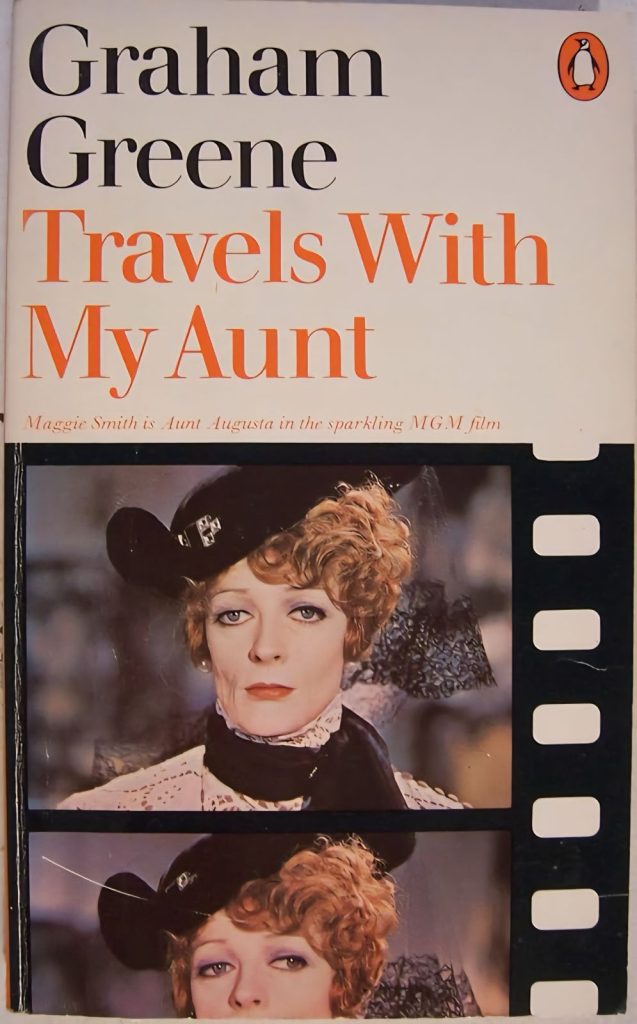
Graham Greene defined 20th-century British fiction with stories steeped in espionage, moral ambiguity, and unrest. Henry Pulling is a conservative retired bank manager content with his orderly life. His eccentric Aunt Augusta shatters that calm, pulling him into a world of smugglers and criminals.
The final section of the novel unfolds in Paraguay during the dictatorship of Alfredo Stroessner. At the time, Paraguay had developed a reputation as a sanctuary for contraband and clandestine dealings, and Greene uses this setting masterfully. The country becomes more than a backdrop; it represents escape, reinvention, and moral ambiguity. Greene’s Paraguay is humid, sleepy, corrupt, and oddly liberating: a forgotten corner of the world where conventional rules seem to dissolve.
5. Freedom by Jonathan Franzen (2010)
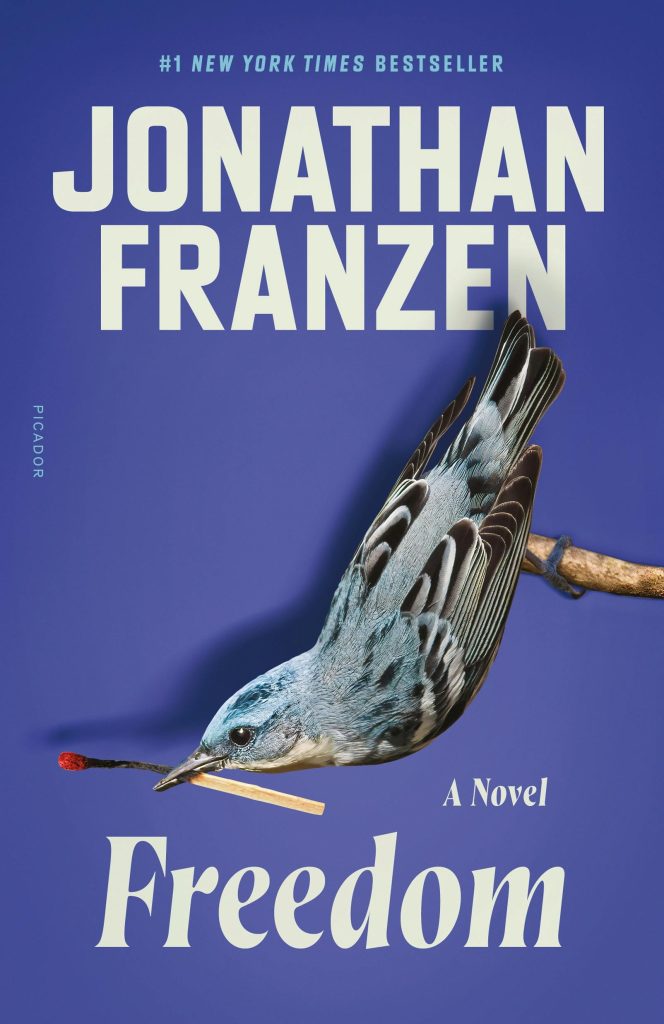
Jonathan Franzen is regarded as one of the major voices in contemporary American literature, known for expansive novels dissecting modern society, politics, and family life. At its core, Freedom is a multi-generational American family saga centered on the Berglunds. Yet one of its most striking subplots follows Joey Berglund as he becomes entangled in ethically dubious business operations linked to the Iraq War.
Paraguay appears as the setting for Joey’s moral collapse. Inspecting defective truck parts in a muddy Paraguayan field, he confronts the corruption behind his venture. Franzen portrays Paraguay as a peripheral zone of global capitalism, distant from the centres of power, yet deeply entangled in them. The bleak rural landscape mirrors the ethical decay of the characters themselves.
Why it matters
Though Paraguay appears less frequently in English-language literature than many of its neighbours, the works that do engage with it are often unforgettable. These books set in Paraguay portray it not only as a location, but as an idea: isolated yet influential, wounded yet resilient, mysterious yet deeply human.
For readers interested in South America beyond the usual narratives, Paraguay offers one of the continent’s richest and most haunting literary landscapes.