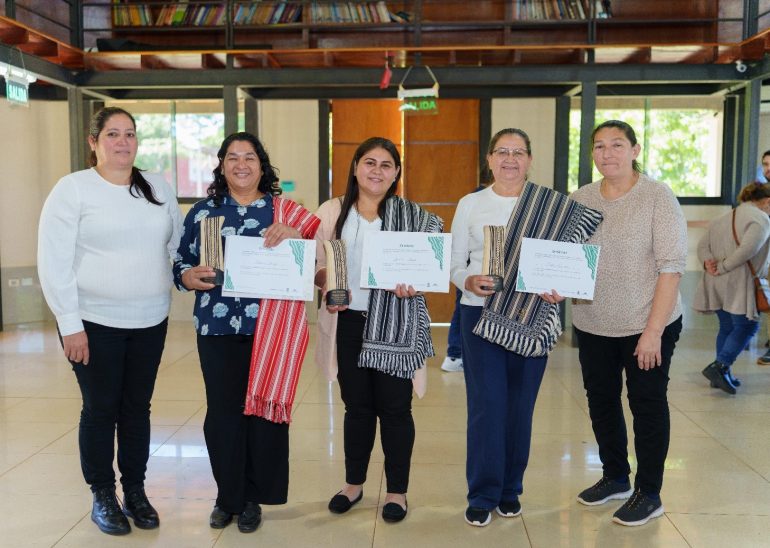

Women weavers from the Paraguayan city of Piribebuy took centre stage in a competition dedicated to the 60-Stripe Poncho Para’i. The event celebrated technical skill and cultural preservation through live demonstrations of traditional weaving. It formed part of ongoing efforts to safeguard one of Paraguay’s most emblematic textile traditions.
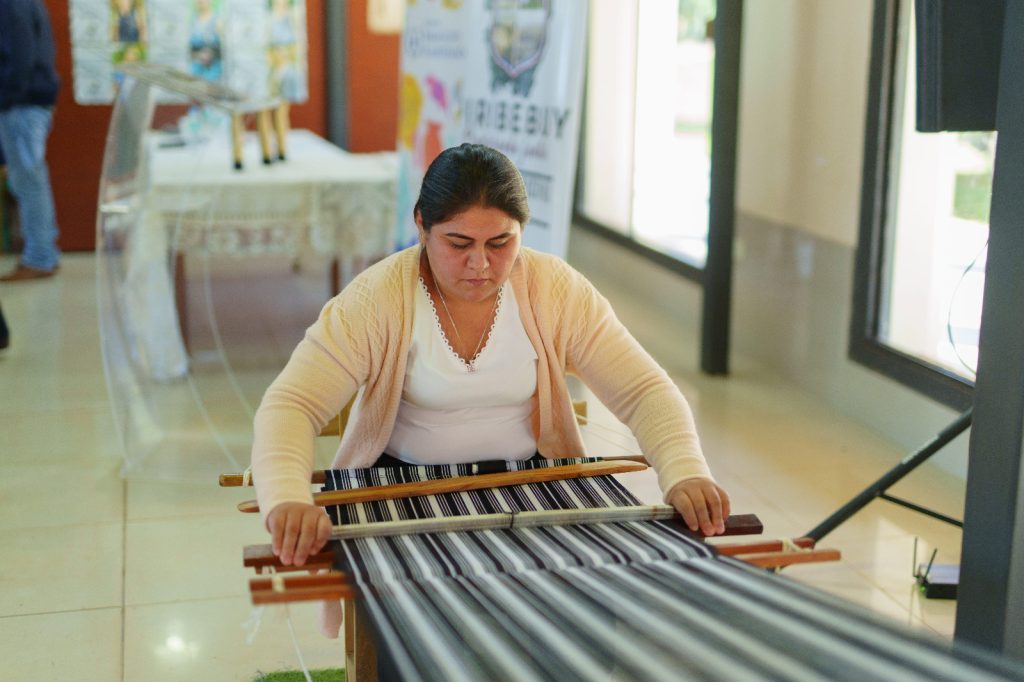
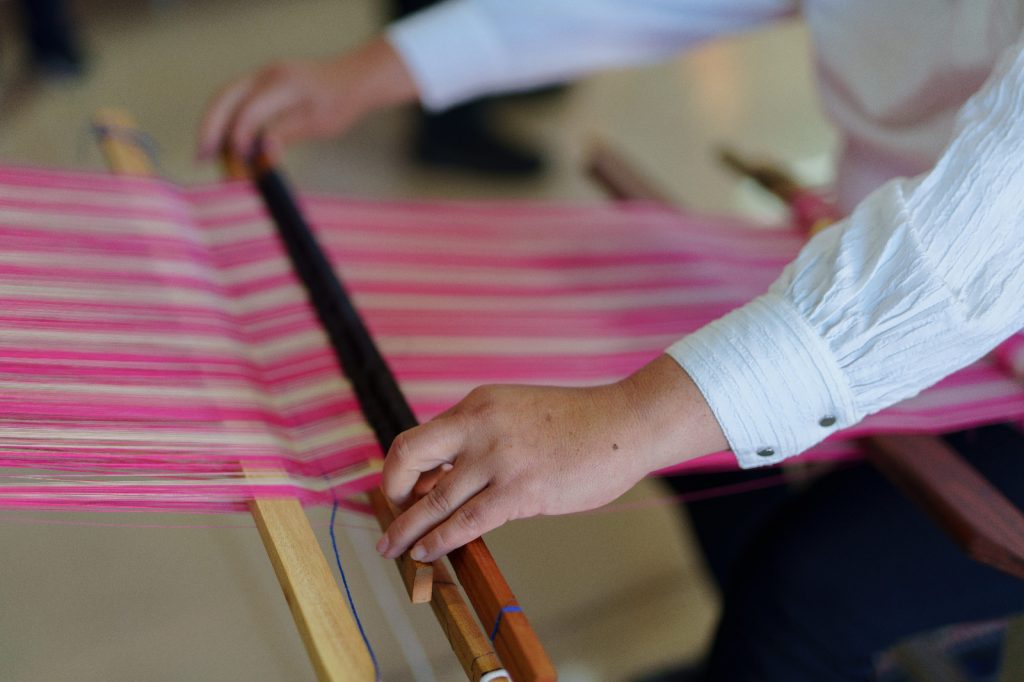
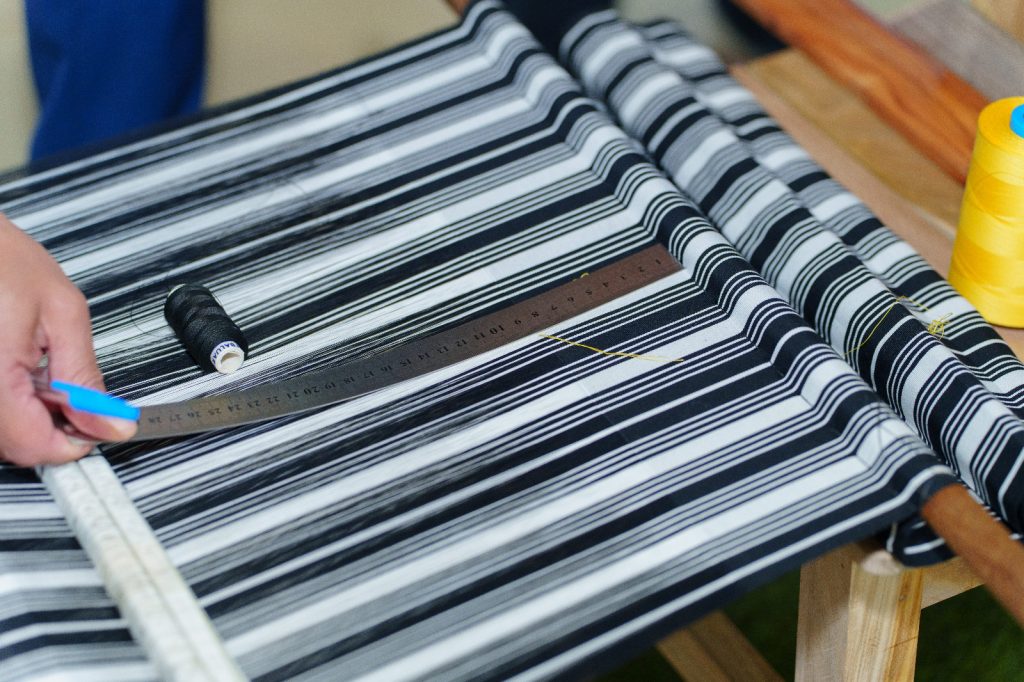
The Mastery Competition for the Making of the Body of the Poncho Para’i brought together experienced artisans from the city. Participants demonstrated their command of the backstrap loom, a technique requiring precision and patience. The event was held at the Demetrio Ortiz Cultural Centre, which hosted the live weaving sessions. The initiative is linked to the safeguarding of the 60-Stripe Poncho Para’i, recognised by UNESCO as Intangible Cultural Heritage in Need of Urgent Safeguarding. The competition highlighted both cultural value and the urgency of transmission to younger generations.
Awards recognise excellence and technical precision
This year’s first prize was awarded to Rosa Segovia, who received US$644 for her work. Fidelina Burgos placed second with US$460, while Marlene Marín secured third place with US$276. The results reflected not only speed, but also accuracy and consistency in weaving.
“I am always willing to teach what I know, because I do not want to take it with me. I want them to be able to continue this beautiful tradition,” said Rosa Segovia, first-place winner, expressing her emotion at the recognition and highlighting the importance of passing knowledge on to younger generations.
Organisers emphasised that the competition aims to preserve knowledge that has been passed down through generations. Each participant demonstrated deep familiarity with the loom and its demanding technique. The process requires sustained focus and a high level of manual coordination. The competition also served as a public reminder of the cultural importance of textile traditions in Paraguay. The Poncho Para’i remains one of the most recognisable expressions of national identity through craftsmanship.
Cultural authorities highlight living heritage
During the event, Andrea Vázquez, president of the Instituto Paraguayo de Artesanía, described the initiative as the beginning of a new tradition for Piribebuy and the country. She stressed that the value of the poncho lies not only in production speed, but in cultural connection. Also, she explained that mastery of the craft reflects a relationship with inherited knowledge and identity. The weaving process, she noted, is as much cultural expression as it is technical skill.
Esperanza Ortiz, a member of the jury, highlighted the international relevance of such initiatives. She stated that competitions like this help strengthen recognition of Paraguayan craftsmanship abroad. They also reinforce appreciation for the quality and complexity of local artisan work. The event was organised by the Secretaría Nacional de Cultura, alongside the Instituto Paraguayo de Artesanía, the Pussineri Foundation, the Municipality of Piribebuy, and the Governor’s Office of Cordillera. It was supported by UNESCO as part of the National Safeguarding Plan for the Poncho Para’i de 60 Listas.