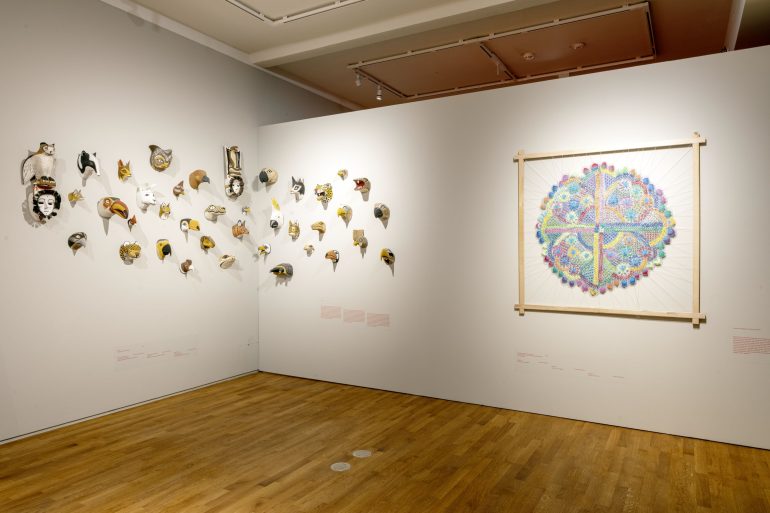

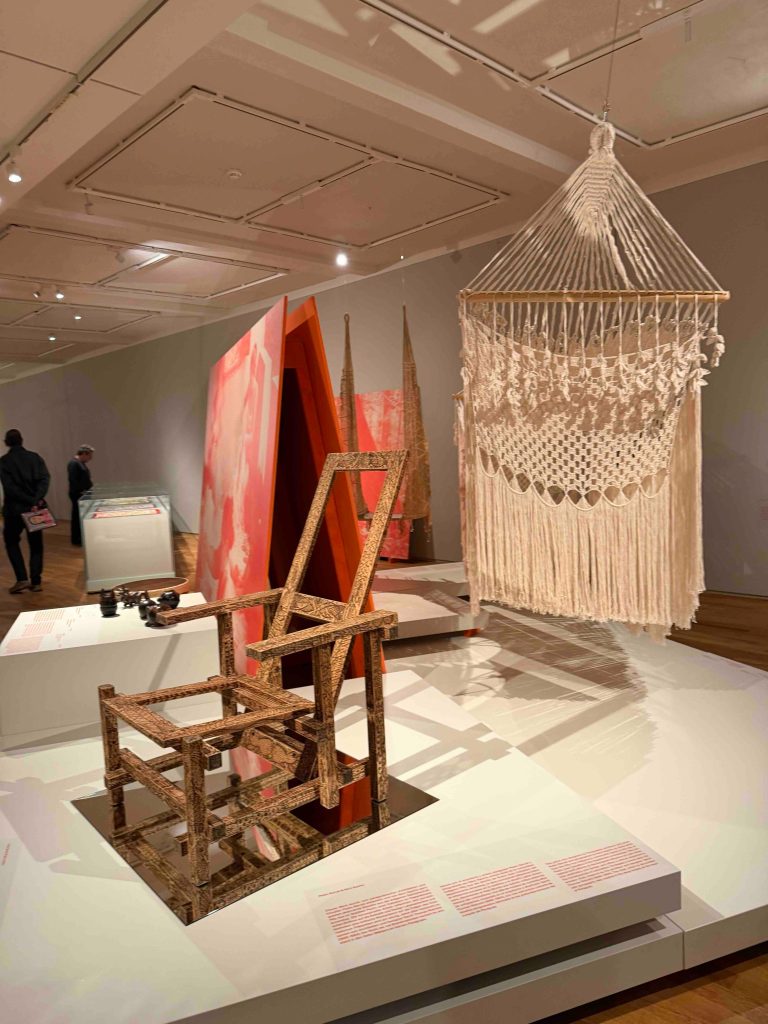
Paraguayan craftsmanship is taking centre stage in Germany as part of The Soul of Objects: Applied Arts from Latin America, a landmark exhibition at Leipzig’s Grassi Museum of Applied Arts. Running until 27 September 2026, the exhibition features more than 300 works by 56 artists from 13 Latin American countries and marks the first major exhibition dedicated to Latin American applied arts and design in the museum’s history.
Among the diverse traditions represented, Paraguay stands out through intricate silver filigree, innovative ceramics and Indigenous woodcarvings that highlight a vision of design rooted in heritage, identity and community.
Redefining Design
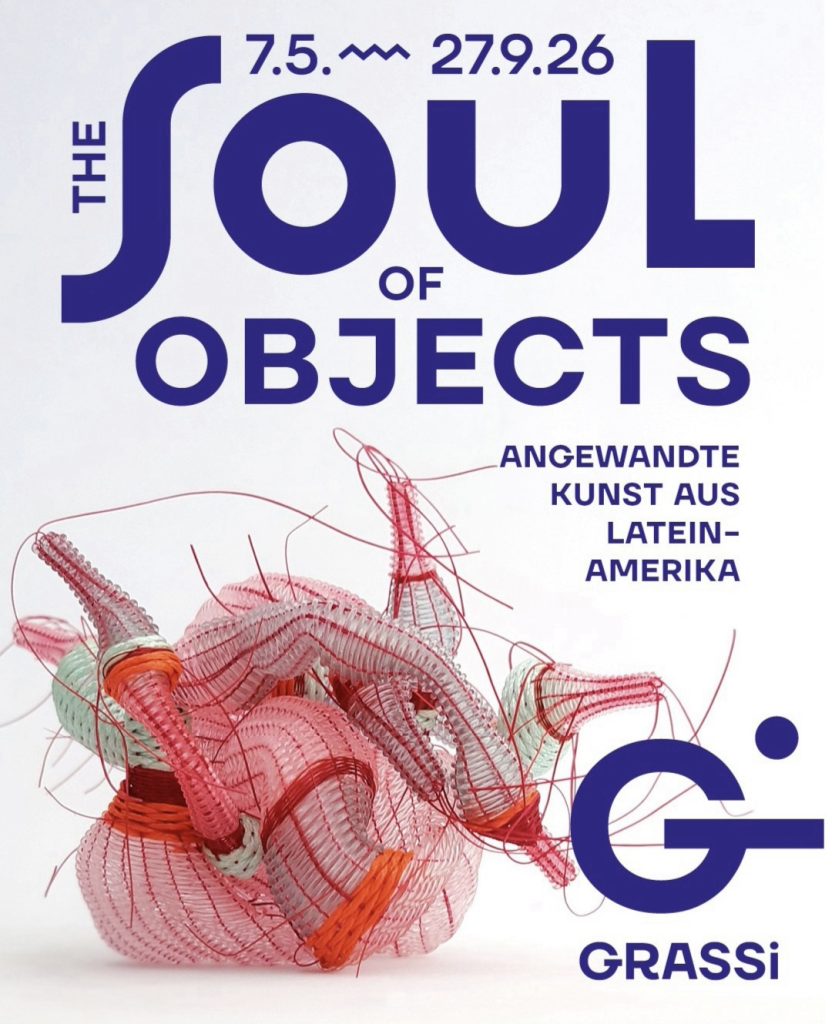
The exhibition is curated by Argentine journalist and author Luján Cambariere, whose work has long explored the relationship between craft, culture and design. She says bringing the project to Europe required challenging long-held assumptions about what qualifies as design.
“We may not have large industrial infrastructures, but we possess immense wealth in what truly matters,” Cambariere explains. “We are rich in sustainability, in our relationship with our roots, and in our respect for the individuals who create these objects.”
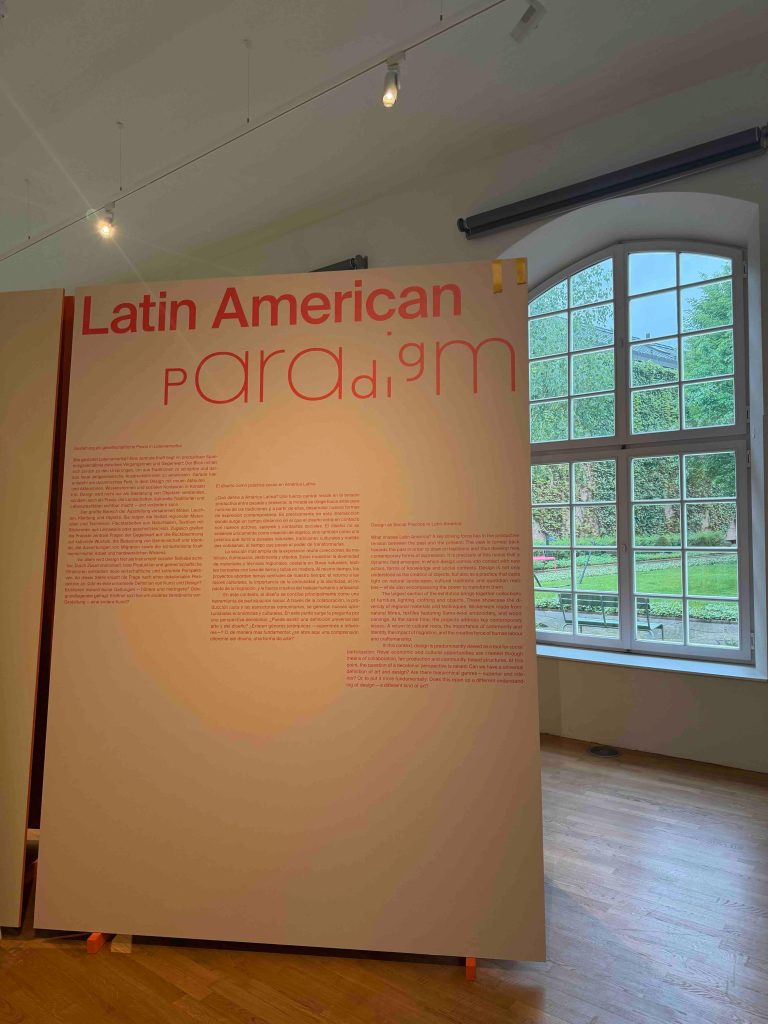
Rather than focusing on mass production, the exhibition presents objects as carriers of memory, knowledge and cultural meaning. Organised around themes such as ancestral design and the dialogue between craft and contemporary creativity, it encourages visitors to see design beyond its industrial definitions.
Tradition and innovation
The Paraguayan selection reflects that balance between preservation and innovation. Ceramic artist Julia Isidrez reinterprets traditional pottery techniques from Itá using contemporary forms. Silver filigree artist Tonie Gie adapts heritage craft for modern audiences. Designer Pedro Barrail also reimagines traditional techniques for contemporary contexts. Both maintain the cultural significance of their crafts.
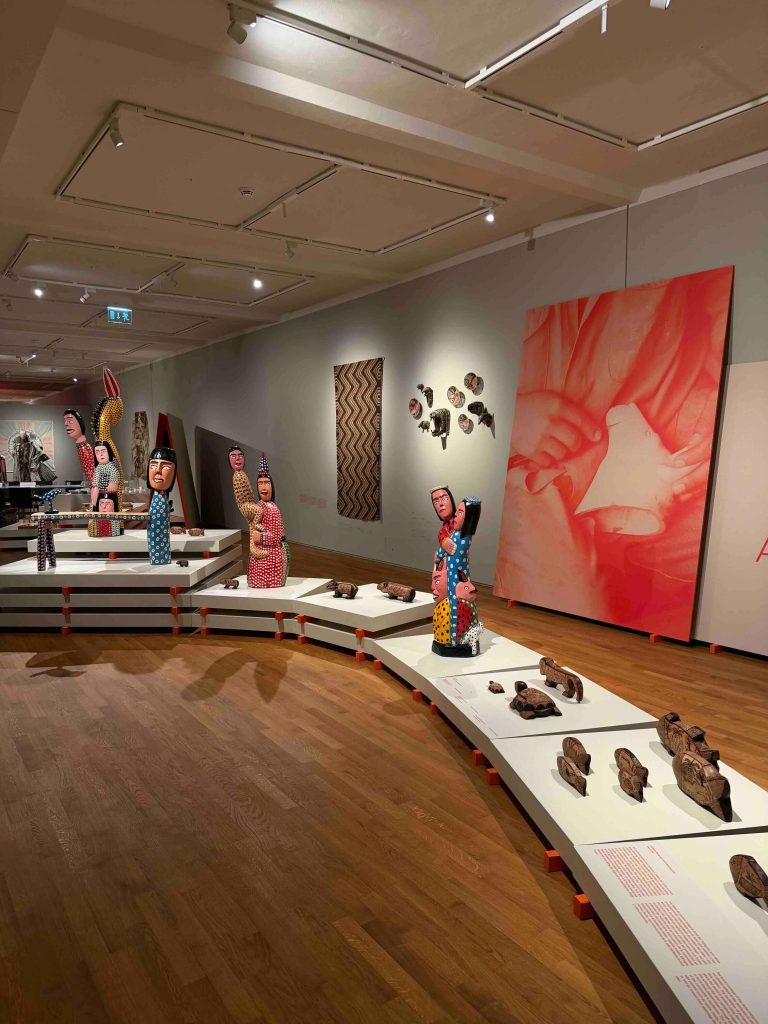
Indigenous traditions are also represented through works by Aché artisans, including acclaimed woodcarver Simón Pychangui. Their carvings of native wildlife reflect a deep connection between craftsmanship, cultural identity and the natural environment.
From Tobatí to Germany
One of the Grassi Museum’s most compelling stories comes from Tobatí. There, siblings Edgar and Romina Figueredo created Toba. Toba is a cultural initiative promoting Paraguayan artisans. It ensures each object remains connected to its maker.
Named after the Guaraní word for “face,” Toba was founded to give visibility to artisans and communities. It highlights the people, families, and communities behind traditional crafts. The project operates from the siblings’ family home. It now works with more than twenty artisans. They produce ceramics, woodcarvings, textiles, and other handcrafted works.
Its contribution to The Soul of Objects began during one of Cambariere’s research trips through Paraguay. Through Toba, she discovered a cultural preservation programme in Rosado, a rural community near Tobatí. The community holds the San Baltasar celebrations every January.
Preserving cultural memory
At the centre of the festivities is the Kamba Jeroky, an ancestral ritual procession that continues for twenty-four hours and remains an important expression of local identity. Fearing the loss of some traditions, artisans and community leaders began teaching children to carve ceremonial masks from timbó wood
Sixteen children participated in the programme, creating sixteen unique masks while learning the history and symbolism behind the practice. Those same masks are now displayed in Leipzig, thousands of kilometres from the community where they were made.
More than artistic objects, the masks represent the transmission of knowledge between generations and a community’s commitment to preserving its cultural heritage.
Why these objects matter
By bringing these works to one of Europe’s leading museums of applied arts like Grassi, The Soul of Objects broadens the conversation about design and challenges the notion that value comes primarily from industrial production. Instead, it highlights how craftsmanship, memory and cultural identity continue to shape meaningful forms of creative expression.
For Paraguay, the exhibition offers international recognition of traditions that generations have passed down. For visitors, it provides an opportunity to discover a different understanding of design, one in which the story of the maker matters just as much as the object itself. Heritage, lived experience, and a deep connection to the land shape it, rather than industrial production.
Also read: Asunción’s Museum of Clay and Its Chronicles of Paraguay