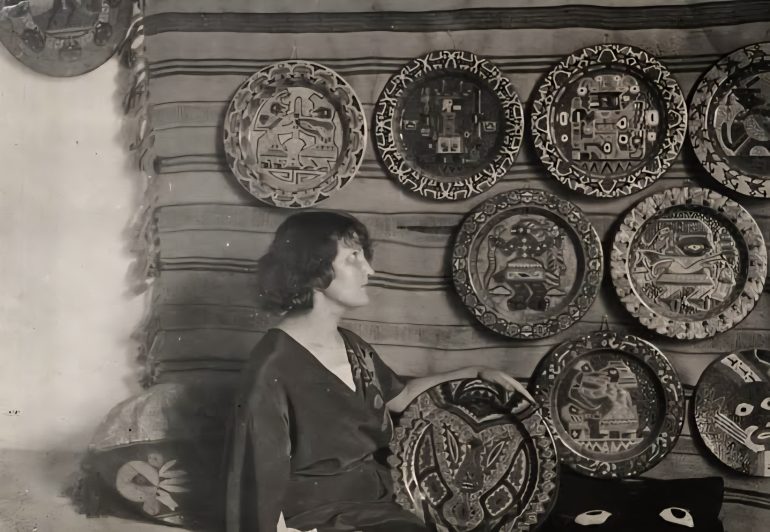

On 9 November, Paraguay commemorates the birth of Josefina Plá. She was a Spanish-born writer and artist who contributed to the development of Paraguay’s modern arts and literature. Born in 1903 on Isla de Lobos, in Spain’s Canary Islands, Plá spent much of her life in Paraguay. As a writer, poet, artist, and art critic, she became an influential figure in the country’s cultural landscape.
From her birthplace near a lighthouse to her final years in Asunción, where she died in 1999, Plá dedicated her life to artistic and intellectual creation. Through literature, visual arts and cultural research, she helped shape modern Paraguayan cultural expression.
A voyager between two worlds
Josefina Plá arrived in Paraguay in 1926, accompanying her husband, the distinguished ceramicist Julián de la Herrería. Although she was a daughter of the Atlantic, she found her true meridian in the red soil of the heart of South America. Her integration was not a passive one. She immediately immersed herself in the artistic vanguard, contributing to the postmodernist magazine “Juventud.”
While the conservative circles of Asunción in the 1920s might have expected a foreign wife to remain a decorative accompaniment to her husband, Plá chose the path of the pioneer. She became the first female editor at a Paraguayan newspaper, “El Orden.” Therefore, effectively established a precedent for every woman who has since picked up a pen in Paraguay.
The architect of modernity
Perhaps Plá’s most significant contribution to the visual arts was the co-founding of the “Grupo Arte Nuevo” in 1953. Alongside visionaries such as Olga Blinder, Lilí del Mónico, and José Laterza Parodi, she spearheaded a movement that rescued Paraguayan art from the stagnant waters of academic post-impressionism.
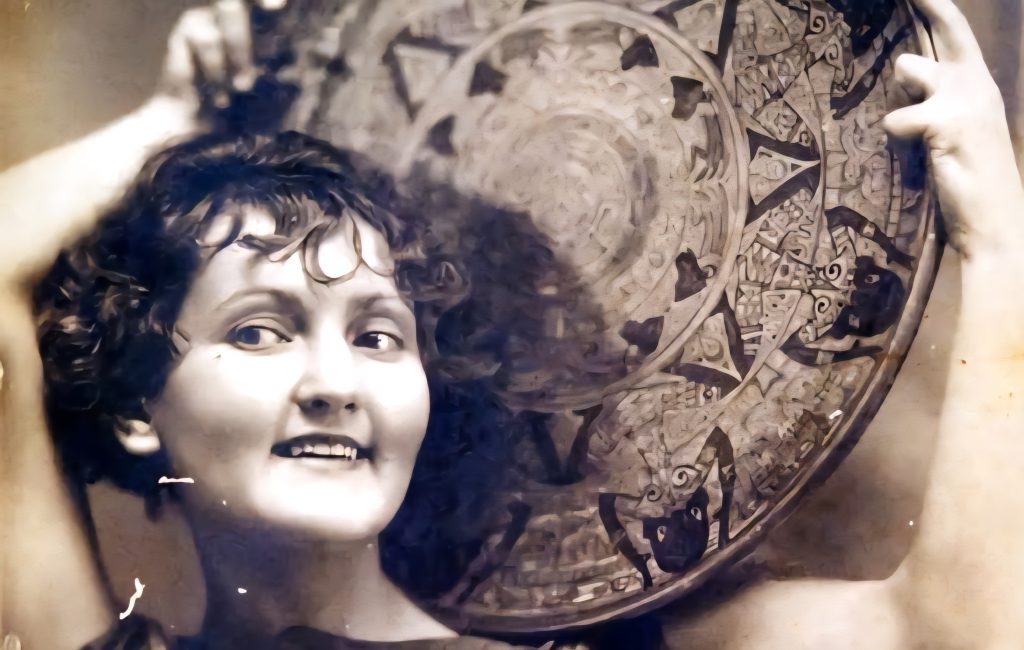
Her artistic output was vast and deeply researched. Under the pseudonym “Abel de la Cruz,” she produced ceramics that explored indigenous motifs and colonial history. This way, bridging the gap between ancient traditions and contemporary expression. Her scholarly work was equally monumental; she authored over forty titles that remain the definitive texts on Paraguayan identity, including:
- The Hispano-Guaraní Baroque: A profound exploration of the aesthetic fusion within the Jesuit Reductions.
- The Social Evolution of Women: Documenting the often-ignored contribution of women to the national plastic arts.
- Ñandutí: A study of the lace-weaving traditions as a crossroads of two worlds.
A voice for the silenced
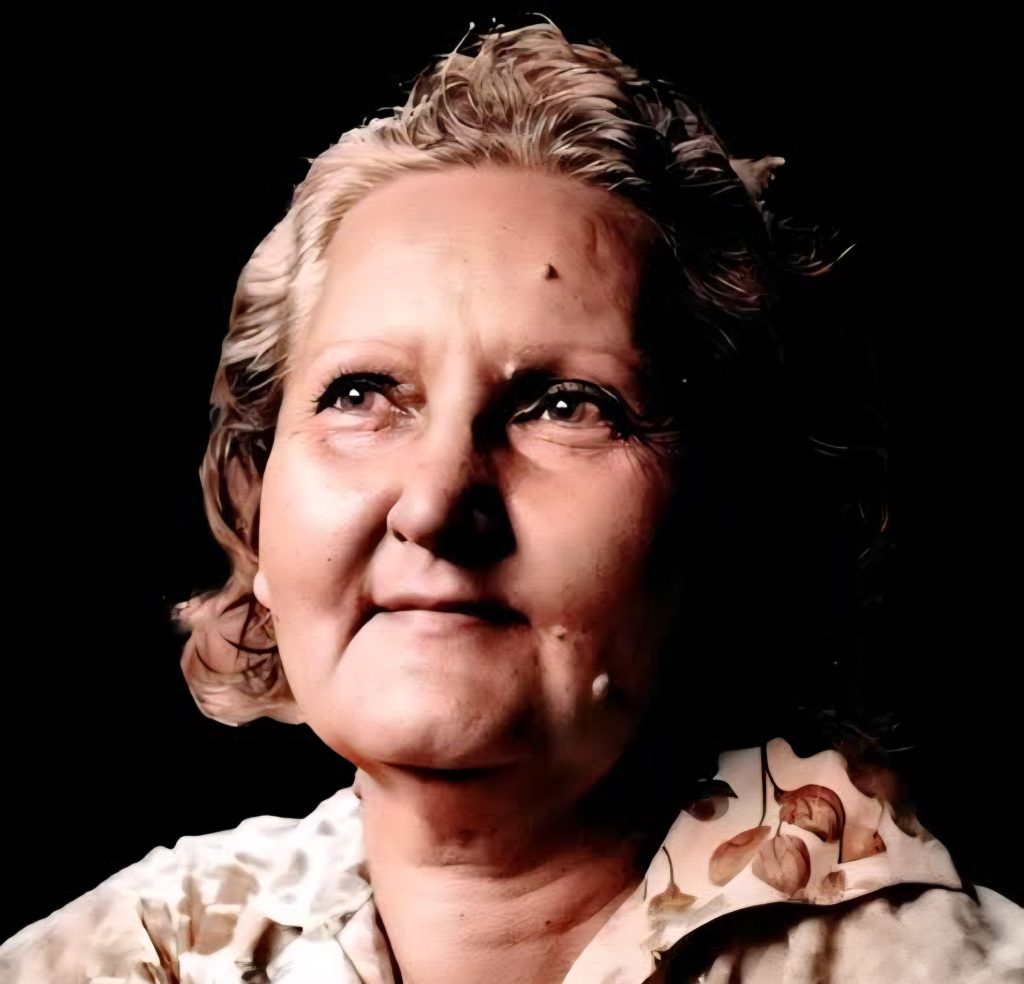
Plá was more than an artist; she was a fierce defender of human rights and a precursor to the feminist movement in the Southern Cone. She famously rescued the memory of Serafina Dávalos from obscurity, calling the neglect of such a pioneer a “crime against the nation.” Plá understood that for a culture to move forward, it must acknowledge the giants upon whose shoulders it stands.
Her personal life mirrored her radical independence. Following the death of her husband in 1937, she chose to remain in Asunción rather than return to Europe. She raised her son, Ariel, as a single mother, famously refusing to trade her husband’s artistic estate for the social convenience of a father’s surname. This choice was virtually unheard of in that era.
An eternal legacy
The accolades bestowed upon her, the Grand Cross of the Order of Isabella the Catholic, her dual nominations for the Cervantes Prize, and the honorary citizenship granted by the Paraguayan Parliament are mere echoes of her true impact. Josefina Plá did not just write about Paraguay; she helped invent its modern consciousness. She saw the beauty in the “Payaguá” ceramics and the complexity of the Guaraní-Spanish bilingualism long before they were celebrated by the mainstream. Today, her voice remains preserved in the Library of Congress in Washington, D.C., a testament to a woman who was a “female giant” of culture, equal in stature to the great Augusto Roa Bastos.
For the Paraguayan people, Josefina Plá is no longer a guest from the Canary Islands. She is the essential architect of their cultural landscape, an “impossible absent” whose shadow continues to protect and inspire the nation’s arts, which she chose to call home.
Those interested in exploring Josefina Plá’s legacy can find her literary works in libraries and bookshops across Paraguay. Examples of her artistic work are preserved in cultural institutions, including the Museo del Barro in Asunción.