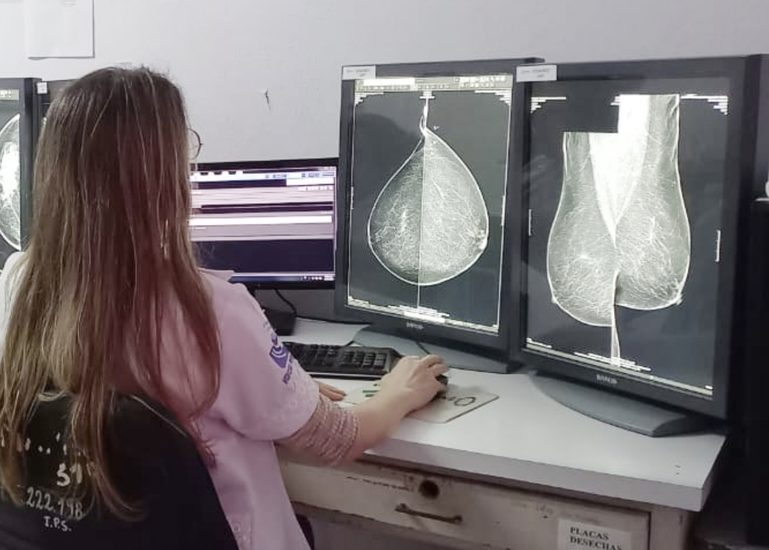

Paraguay recorded a decline in breast cancer mortality in 2025, according to official data. The figures, released by the Ministry of Public Health and Social Welfare, show a national rate of 12.6 deaths per 100,000 women for that year.
The data is based on population projections from the National Institute of Statistics (INE), which estimated a female population of approximately 3,180,420 in 2025. Authorities registered a total of 401 deaths from breast cancer throughout the country that year. Despite this progress, public health officials continue to emphasise the importance of prevention and timely treatment.
Regional disparities highlighted in report
While the national average showed a decrease, mortality rates varied significantly across Paraguay’s departments. The department of Misiones registered the highest rate, with 22.4 deaths per 100,000 women, corresponding to 13 fatalities. Paraguarí followed closely with a rate of 22 deaths per 100,000.
Other departments with notable numbers of deaths included Ñeembucú with 8, Guairá with 17, and Boquerón with 6. In terms of absolute numbers, the Central department recorded the highest count with 126 deaths. Following Central were Alto Paraná with 45 deaths, Itapúa with 34, the Capital district of Asunción with 33, and Caaguazú with 27.
A positive national trend
The 2025 statistics represent a significant improvement when compared to previous years. In 2020, the country recorded 491 deaths from breast cancer. This corresponded to a higher mortality rate of 16.0 per 100,000 women. This decline in breast cancer mortality, from 16.0 deaths per 100,000 women in 2020 to 12.6 in 2025, marks a positive development in public health outcomes.
Officials attribute this reduction to sustained efforts in prevention, early diagnosis, and the provision of comprehensive treatment across the national territory. However, they stress that health authorities must maintain and strengthen these actions to continue the downward trend in mortality.
Early detection remains crucial
Paraguay’s Ministry of Health continues to urge women to be proactive in their health. Women are encouraged to become familiar with their bodies, consult a healthcare professional about any changes or warning signs, and undergo regular check-ups appropriate for their age.
Health authorities stress that early detection allows for the identification of lesions in their initial stages. This facilitates more timely access to treatment, which significantly improves the chances of recovery and reduces the risk of death. Prevention and prompt diagnosis are considered the most fundamental tools in the ongoing campaign to lower breast cancer mortality in Paraguay.