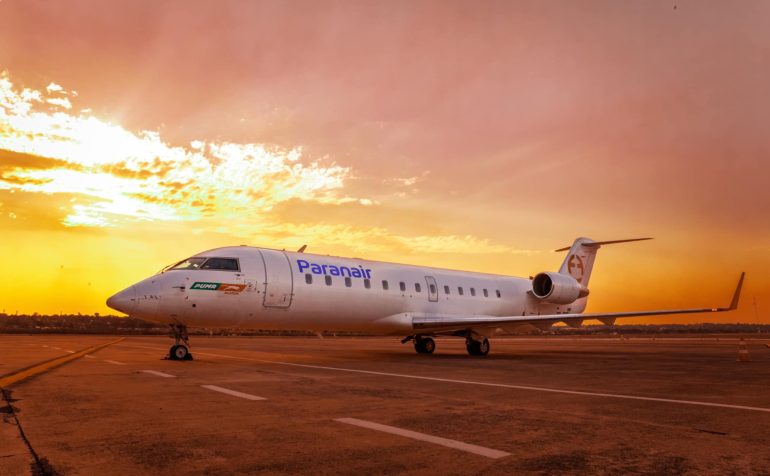

Paraguay is set to enhance its position as a regional aviation hub following the authorisation granted to airline Paranair for new international routes. These new services will connect the country directly with northern Argentina, Chile, and Bolivia, importantly bypassing the traditional stopover in Buenos Aires. The development marks a major step forward in Paraguay’s air connectivity, promising to streamline travel for both passengers and cargo throughout the Southern Cone.
This strategic expansion is designed to facilitate more direct integration with key regional destinations. Consequently, it is expected to reduce travel times and costs, thereby boosting trade, tourism, and business links. The move strengthens Asunción’s role as a central point for air traffic in the region, reflecting a concerted effort to leverage the nation’s geographical position.
New routes
Paranair is a Paraguayan airline based at Silvio Pettirossi International Airport, in the country’s capital Asunción. Starting on 3August, 2026, Paranair will operate new strategic routes from Asunción to the northern region of Argentina and neighboring countries, including:
- Asunción (Paraguay) – Jujuy (Argentina) – Iquique (Chile), with two weekly frequencies.
- Asunción (Paraguay) – Salta (Argentina) – Iquique (Chile), with two weekly frequencies.
- Asunción (Paraguay) – Viru Viru (Bolivia) – Jujuy (Argentina), with four weekly frequencies.
In addition to the new destinations, the agreement also confirms the reactivation of the important Asunción-Córdoba route. This particular connection is considered vital for fostering the academic, tourism, and commercial exchanges that exist between Paraguay and the central region of Argentina. Its reinstatement is a welcome development for travellers and businesses on both sides.
Official confirmation and economic implications
The authorisation was officially confirmed through Disposition 9/2026, which was published in Argentina’s Official Gazette. According to the official documentation, Paranair will commence operations on these new strategic routes from Asunción starting on 3 August 2026. This formal approval provides a clear timeline for the introduction of services that will link Paraguay more efficiently with its neighbours.
The economic implications are substantial. By offering more direct routes, Paraguay becomes a more attractive proposition for international business and investment. Furthermore, improved cargo transit times will benefit exporters and importers, potentially lowering logistical costs and making Paraguayan goods more competitive abroad. The tourism sector also stands to gain significantly from easier access for international visitors.
A strategic policy of open skies
This development is not an isolated event but rather part of a broader national strategy. It falls within the framework of an “open skies” policy being actively promoted through a series of bilateral agreements. A key component of this policy was the memorandum of understanding signed between Paraguay and Argentina in 2024, which laid the groundwork for this expansion.
The primary objectives of this governmental approach are to increase competitiveness within the aviation sector. Moreover, the policy aims to attract new airlines to operate in Paraguay and to energise the entire air travel industry. Recently, Paraguay scrapped 6% airline ticket tax to boost the aviation sector. By creating a more open and competitive environment, the government hopes to deliver better services and more options for consumers and businesses alike.