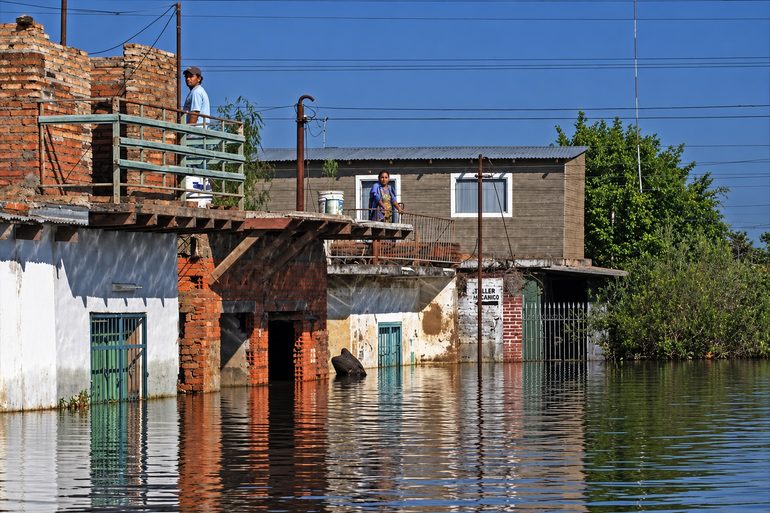

Residents of Asunción’s riverside neighbourhoods are watching the water closely. The Municipality of Asunción has named five temporary flood shelters in the Bañado Sur area, a low-lying floodplain in the south of the capital. Those will house families who may have to leave their homes if the Paraguay River floods.
Local officials expect the water to rise from the end of the year, driven by the El Niño climate phenomenon. The municipality made the list public in late October.
A river that has yet to peak
For now, the river is below its usual level. It stood at 2.77 metres in Asunción on 21 October 2026 and at around 3 metres by 26 October 2026. Its normal height is more than 4 metres.
Families living closest to the water would move first, once the river reaches between about 4.5 and 5.5 metres. Flooding in the San Cayetano neighbourhood starts at around 6 metres.
Héctor Ferreira heads Municipal Centre No. 1, the municipality’s local office, and lives in the area. He tells local media that residents expect the river to peak at 6.5 to 7 metres. At that height, he estimates, flooding would affect between 1,000 and 1,200 families in San Cayetano and Santa Ana. He does not expect serious damage. “We are on constant alert,” he adds.
Five Bañado Sur shelters for 183 families
Municipal figures put the combined capacity of the five flood shelters at 183 families. Three of the shelters are in Santa Ana, a neighbourhood of Bañado Sur. The Vy’arenda sports ground covers 2,100 m² and can take 45 families, who would leave along Antequera Street. The Maracana’i sports ground is being prepared for 70 families from the Divino Niño, Villa Bartolo and Villa Belén sectors. Their route runs along México Street. Plaza 37 can host 13 families from Villa Colorada, Bartolo, Belén and Divino Niño, leaving along Antequera Street.
The other two shelters serve San Cayetano. The grounds of the Virgen de Luján chapel cover 5,000 m² and can hold 45 families. They would come from Villa de Luján and Villa Casco, travelling along Brasil Street. Pepe Valpuesta square can host about 10 families from Caacupemí, who would leave along 38 Proyectada Street.
Life inside the shelters
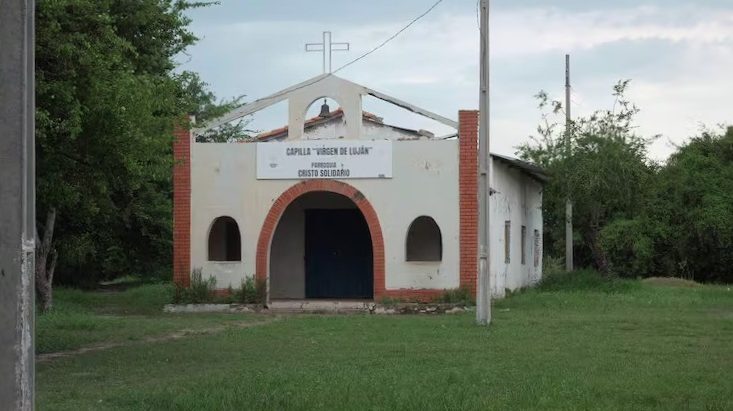
The chapel shelter already has electricity and drinking water. Showers and sanitary facilities would need to be installed once families move in. Between 10 and 15 families living nearest the river would be the first to arrive. The site is also close to schools and workplaces, so children and adults could keep their routines.
Each family would sign a code of conduct with the chapel. The national police and the government’s children’s secretariat should also take part.
The chapel grounds were last used during the 2023 river rise, when roughly 35% of the space was occupied. If the water passes 7 metres, the municipality would look for extra space with the National Emergency Secretariat (SEN).
A wider risk for the capital
The risk extends beyond Bañado Sur. SEN has drawn up estimates for different river levels to plan its assistance. At 7 metres, around 15,000 homes and 60,000 people in Asunción could be affected, says Arsenio Zárate, the minister in charge of SEN.
For now, the shelters remain a precaution. Officials do not expect the water to advance steadily until the end of the year.