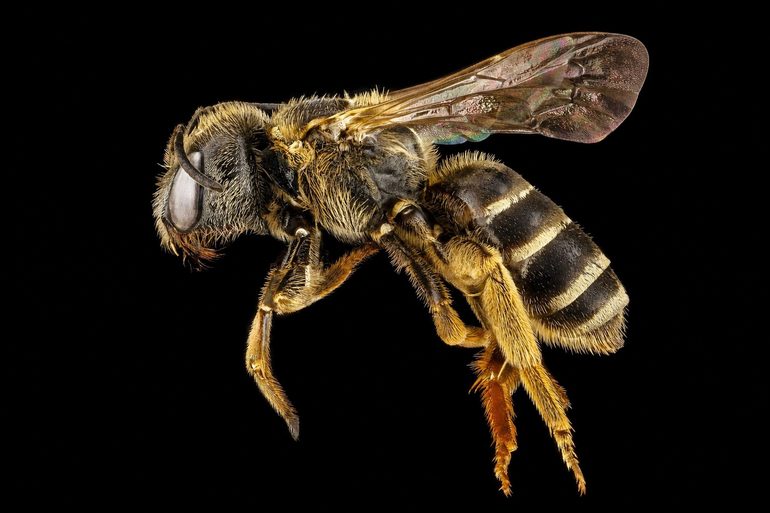

In Paraguay’s Chaco, the collection of wild honey is changing. In its place, communities are raising native stingless bees in managed hives. The practice, known as meliponiculture, is giving rural beekeepers an opportunity to produce honey while helping conserve native pollinators.
In the Chaco Biosphere Reserve, the Oro Dulce Beekeeping Association and farmer/beekeeper Vilma Bogado, promote the management of Tapezúa bees. The initiative brings together local beekeepers, government institutions, and researchers to improve hive management and encourage the sustainable production of native honey.
From forest harvesting to managed colonies
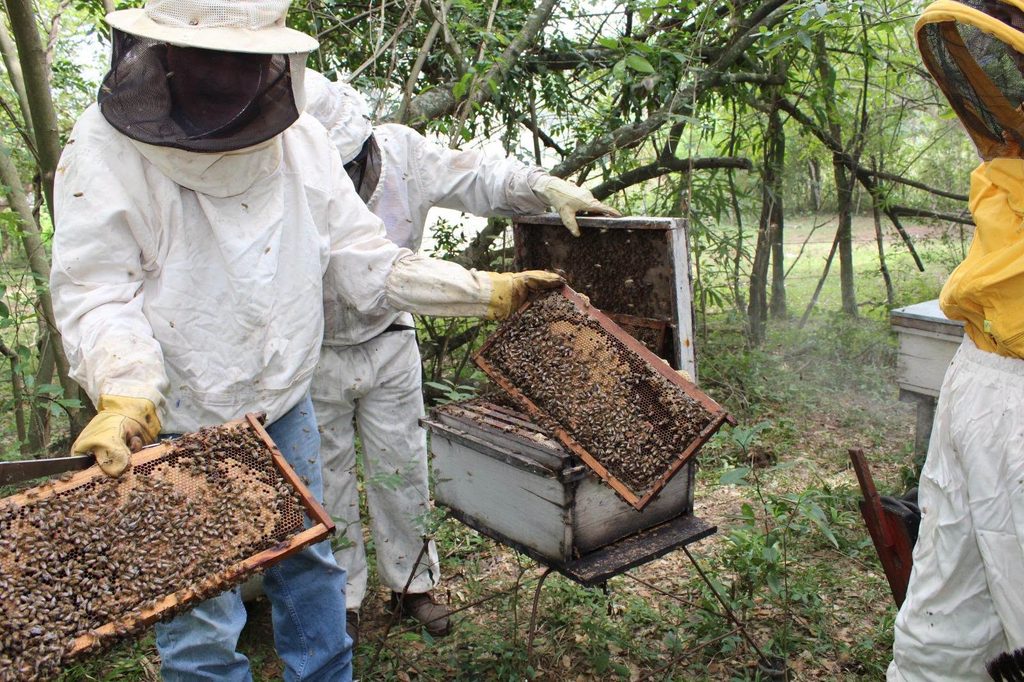
Traditionally, collecting honey from native stingless bees involved searching for their nests in the forest and extracting the honey directly from wild colonies. This practice, known in Spanish as meleo, relies on knowledge of where bees nest and the surrounding vegetation.
Meliponiculture offers a different method. Instead, beekeepers maintain colonies in managed hives closer to their communities. This allows them to produce honey while reducing reliance on harvesting from natural nests. For Oro Dulce, developing these practices has involved technical support from the Poli-LAC project and Paraguay’s Vice-Ministry of Livestock. The partnership provides training, advisory services, and small-scale investments in beekeeping equipment and hive materials.
The project also involves the Faculty of Agricultural Sciences at the National University of Asunción (UNA), which supports community monitoring activities. These are intended to improve knowledge of local pollinator populations and their role in surrounding ecosystems.
Why the Tapezúa matters
The conservation of native stingless bees has broad implications. As pollinators, they contribute to both honey production and the reproduction of flowering plants. This helps maintain the biodiversity of the Chaco.
Their populations depend on access to suitable nesting sites and flowering vegetation. Forest clearance and fires can destroy habitats, while indiscriminate pesticide use poses additional risks to colonies. Protecting the bees, therefore, requires attention to agricultural practices and the nearby forest conditions.
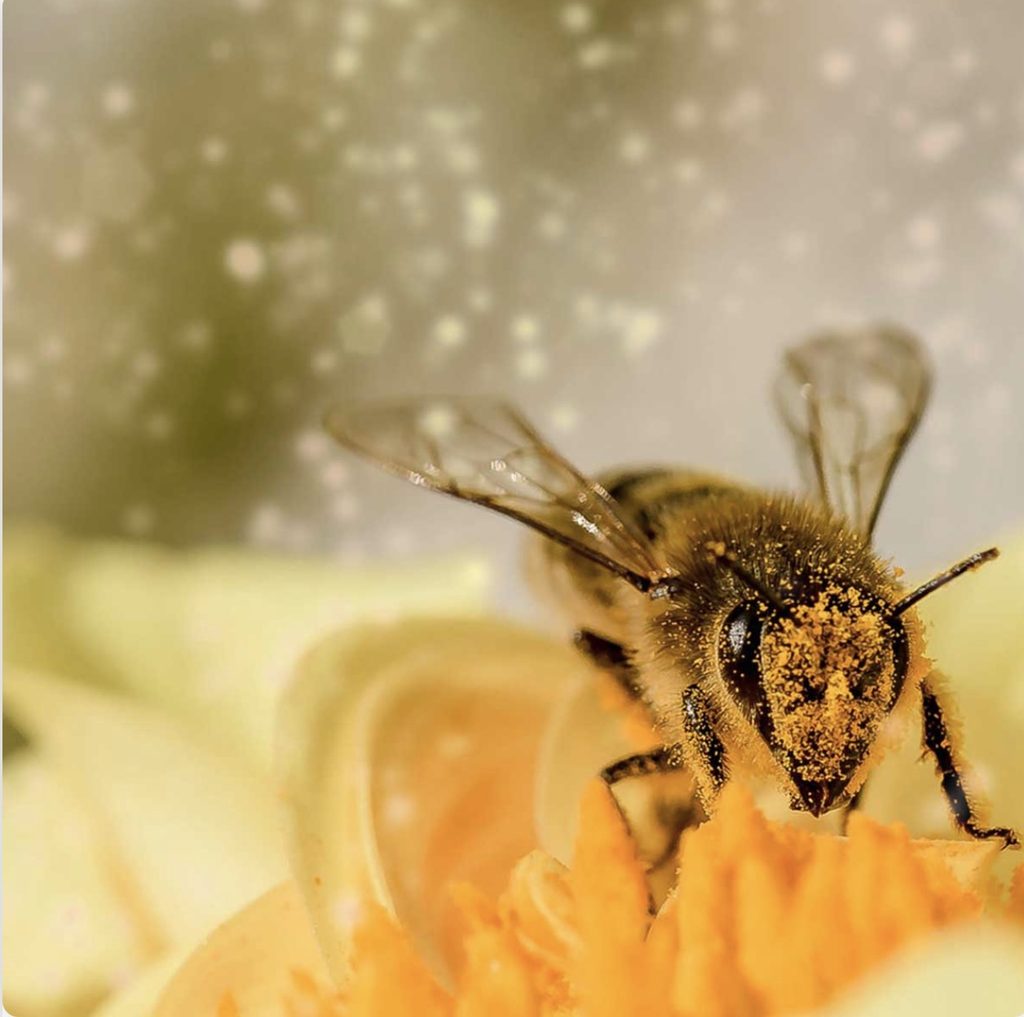
The project’s work also connects pollinator conservation with agricultural production. According to the International Climate Initiative (IKI), improved hive management is directly linked to helping strengthen pollination services that contribute to melon cultivation in the region. Community awareness is another part of the effort.
With IKI, Vlima Bogado has stressed the importance of involving women in conservation: “For our community, it is essential that women become involved in pollinator protection, because we are the ones who raise awareness among our families and neighbors. People now understand that they must not burn forests or use chemical spraying indiscriminately. Honey has become an important source of income, and we must protect these small creatures.”
Honey as a source of income
The initiative seeks to make native bee keeping a viable source of income in addition to the environmental objectives.The association is also working to improve how honey is produced and marketed, including products used traditionally for medicinal purposes. Developing these activities requires balancing commercial opportunities with the responsible management of bee colonies.
The work in the Chaco forms part of the broader Poli-LAC initiative, which promotes the protection of pollinating insects and the ecosystems they support across Latin America and the Caribbean. In Paraguay, its activities bring together local communities and agricultural institutions to encourage more pollinator-friendly practices.
For Oro Dulce, the challenge is to make honey production compatible with the continued survival of the bees themselves. By managing colonies rather than relying solely on wild honey collection, the association is developing an approach in which the value of the harvest depends on maintaining the native populations that produce it.
For more on honey production and brands, read about how Ñeembucú Honey Celebrates National Recognition For Unique Quality.