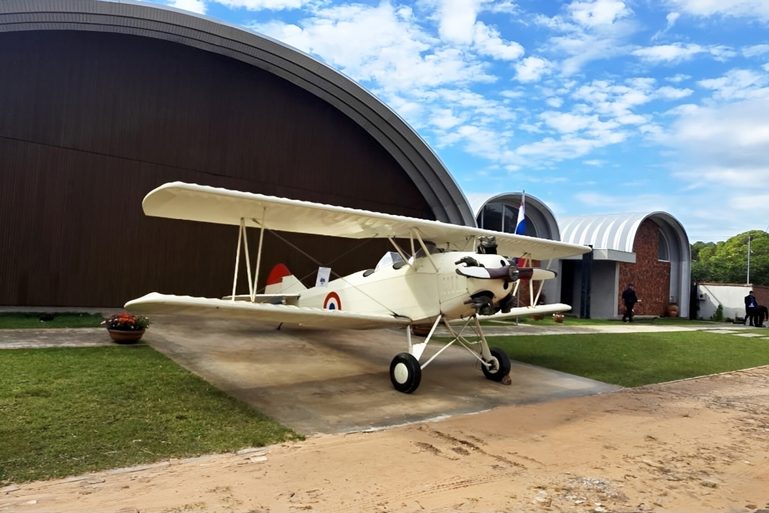

The Chaco War is often remembered through its soldiers and decisive battles, but its aviation history also deserves recognition. In San Bernardino, the Museum Aviadores del Chaco preserves this overlooked chapter through historical objects, aircraft and personal accounts. The institution honours Paraguayan aviators who participated in the conflict against Bolivia between 1932 and 1935.
Founded by Carmiña Pérez Falabella, the museum opened its new headquarters on 12 June 2025, within Club de Vuelo Yvytú. The inauguration coincided with the 90th anniversary of the Chaco Peace Agreement and the institution’s tenth anniversary. Its collection commmemorates the country’s military aviation personnel, particularly its founder’s father, Fernando Pérez Veneri.
A tribute to Paraguayan aviators
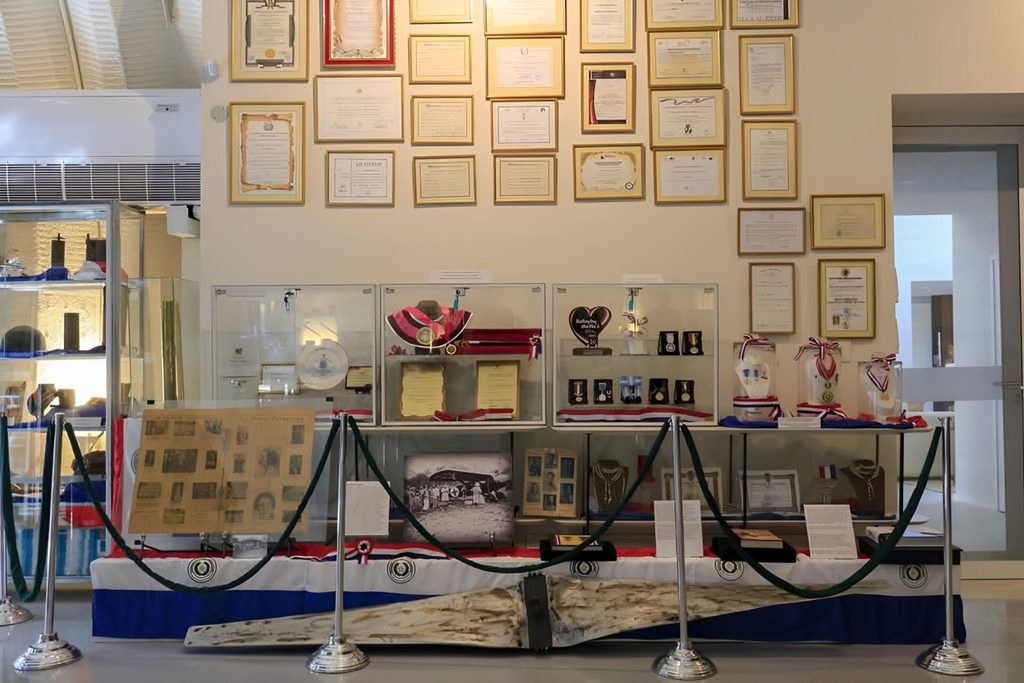
Pérez Falabella established the museum as a tribute to her father, a military pilot during the Chaco War. His experiences inspired her commitment to preserving the history of Paraguay’s aviation personnel.
The collection includes historical objects, photographs and materials connected with the country’s wartime aviation. A specialised library also preserves publications and research concerning aerial operations. Among its significant pieces are two original war trophies, including a Bolivian flag donated by former president Juan Carlos Wasmosy.
For a broader look at the Chaco War and local life, explore the Salvador Garozzo Municipal Museum in Villa Hayes, where military objects sit alongside photographs, documents and family belongings.
A new space for historical preservation
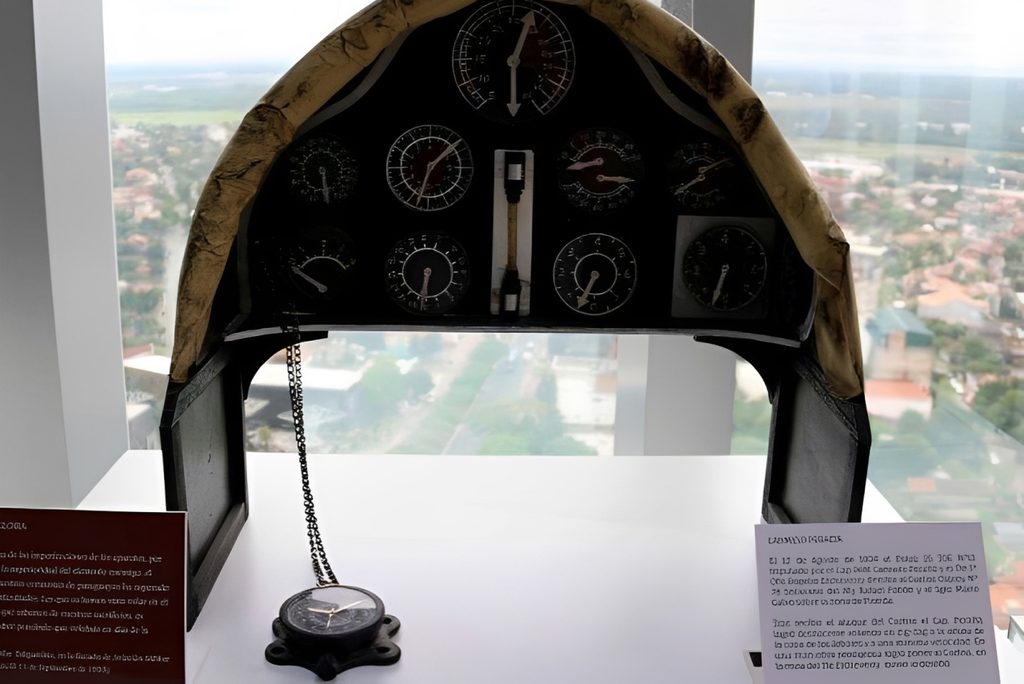
The new headquarters occupies more than 4,000 square metres within the Club de Vuelo Yvytú grounds. Its facilities include a hangar for historical aircraft and exhibition spaces displaying objects from the Chaco War. Outdoor installations recreate elements of wartime environments, allowing visitors to explore different aspects of the conflict.
Among these installations are trenches and a tuca, an underground shelter constructed using traditional materials. These reconstructions illustrate the conditions soldiers experienced while seeking protection during military operations. The building itself incorporates a Quonset hut structure, originally developed for military use during the Second World War.
Recognising women’s contribution
Beyond aviation history, the museum also highlights the contributions of Paraguayan women during the Chaco War. Women supported the country through different responsibilities, including nursing, volunteering, education and comunication.
In 2024, the Ministry of Women declared the museum an institutionally significant initiative. The institution also received attention for promoting the country’s bilingual cultural identity through Spanish and Guaraní.
Reconstructing a piece of aviation history
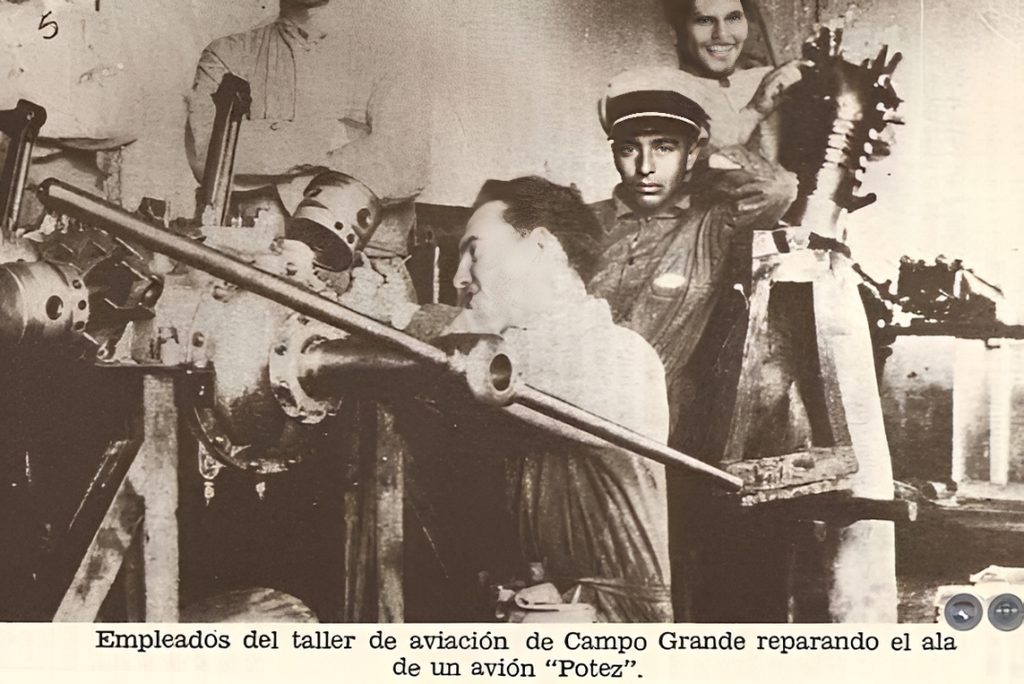
One of the museum’s ambitions is reconstructing a Potez 25, an aircraft used by Paraguay during the conflict. According to its founder, the project requires considerable work and could take several years. The model played an important role in reconnaissance and bombing operations throughout the Chaco War. The Paraguayan Air Force identifies the Potez 25 as one of the principal aircraft used during the campaign.
Through these exhibitions, research and preservation, the museum continues documenting an essential part of Paraguay’s military heritage and also offers another opportunity to explore Paraguay’s history beyond traditional museums and historical sites.