
Digital payment usage in Paraguay has increased by a significant 24% in the first four months of 2026, according to new data from the technology services platform Bancard. This impressive figure surge confirms a period of sustained growth, and reinforces the dynamic economic activity observed throughout 2025. The trend highlights a fundamental shift in how consumers are managing their finances and conducting daily transactions.
The primary driver behind this expansion is a notable increase in local purchasing activity. An analysis of the data reveals that debit card usage is leading this charge, with transactions rising by 32%. In contrast, credit card payments grew by a more modest 13%. This disparity suggests a move towards consumers using their own available funds rather than relying on credit for their purchases.
Debit card use fuels spending growth
The pronounced growth in debit transactions indicates that consumers are actively using their own liquidity for an increasing number of purchases. This behaviour continues a spending dynamic that was established in the previous year. Consequently, the surge in digital payment volume appears to be a direct result of evolving consumer habits, rather than an expansion of consumer debt.
This ongoing trend shows that physical cash is being progressively replaced by digital alternatives across Paraguay. As a result, electronic payment methods are becoming more deeply integrated into the everyday lives of the population. This transition not only modernises transactions but also offers greater convenience and security for both consumers and businesses, shaping a new financial landscape for the nation.
Transaction frequency outpaces spending volume
Further investigation into the Bancard data reveals that the number of individual transactions is growing at a more accelerated pace than the total monetary volume of sales. Transaction counts have risen by 35% year-on-year, a figure that significantly outstrips the overall growth in spending. This indicates that people are using digital payment methods more often, even if the total amount spent is not rising as quickly.
The average value of each transaction, or the average ticket size, currently stands at ₲117,000 (approximately US$19). Notably, this amount is 9% lower than the average recorded by Bancard just one year prior. The decline in average transaction value strongly suggests a greater atomisation of consumption, where digital payments are being adopted for a wider variety of smaller purchases.
The rise of everyday digital micro-transactions
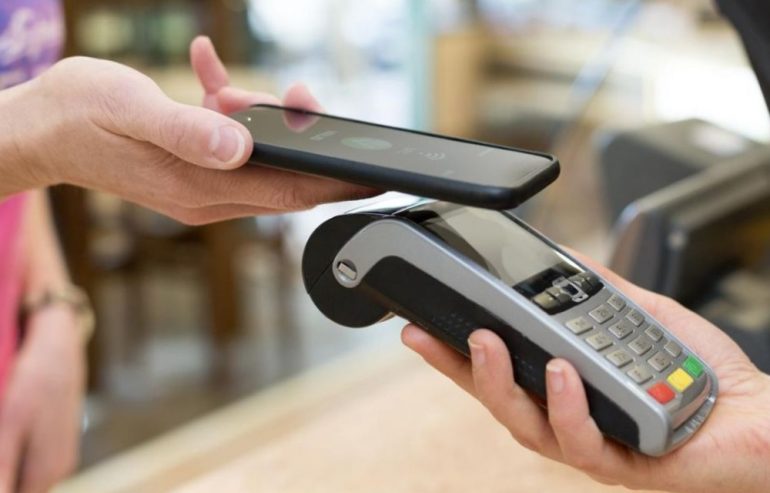
This shift towards smaller, more frequent payments marks a crucial change in the role of digital finance. Electronic payments are no longer reserved for occasional, significant purchases. Instead, they are becoming an integral part of daily life, used for routine expenses such as buying food, paying for transport, or purchasing goods and services from online platforms. The convenience of tapping a card or a phone has made it a preferred method for transactions of all sizes, contributing to the 24% surge in digital payments.
Consumers are now comfortable using these methods for minor expenditures, such as paying for a coffee, ordering a takeaway delivery, or covering the fare for a ride-hailing service.
The habit of using digital payments is becoming more frequent because the facilities have improved and expanded. For example, recently Paraguay introduced the new SIP system. Consequently, payments are registered more often, in smaller amounts, and for a broader range of everyday items.