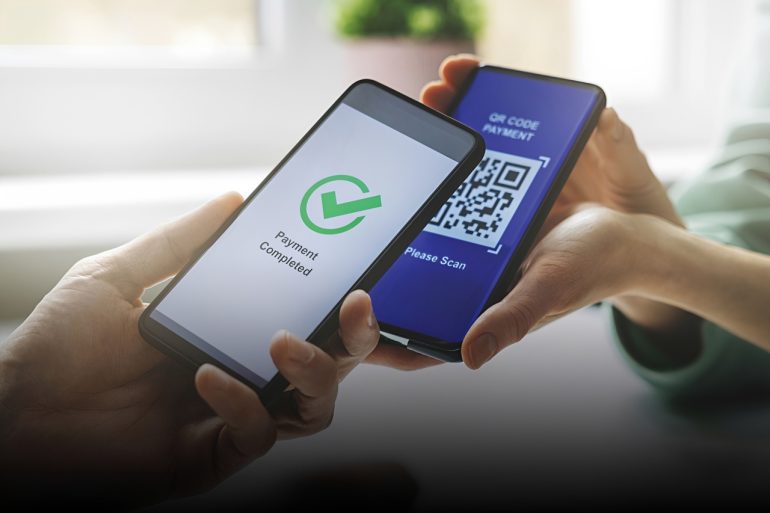

In Paraguay and several countries around the world, the way money moves has gradually shifted towards immediacy and simplicity. This transformation has changed how individuals and businesses interact with financial services. Transactions that once required detailed banking information and processing time can now be completed within seconds. This reflects a significant shift towards digital payments. This evolution in Paraguay is now being formalised through the introduction of SIP, a renewed identity for the national payment system.
Payments become instant
A major step in this transformation is the implementation of SIP. The system processes transactions in real time and offers continuous availability throughout the day. The introduction of 24/7 operations has significantly changed how financial interactions take place. Users are no longer limited by banking hours. They can make money transfers and payments at any moment.
This shift will influence personal and business behaviour, enabling faster decision-making and more efficient financial management. The constant availability of the system has become one of its defining characteristics.
Reframing Paraguay’s payment infrastructure
The initiative was presented by the Central Bank of Paraguay as part of a broader effort to make Paraguay’s financial infrastructure more accessible and easier to understand. The Paraguay Payment System (SIPAP) has operated for nearly twelve years, allowing electronic transactions across the national economy. While its technological foundation remains unchanged, the new identity seeks to improve how the system is perceived by the public.
Over time, the payment system has simplified how transactions are carried out. Instead of requiring multiple details, such as account numbers and full recipient information, users can rely on aliases or QR codes. This reduction in steps has made digital payments more intuitive and accessible.
A further development is expected to expand this ease of use. From May 2026, an interoperable QR system will allow payments in commercial settings using any compatible application or financial provider. The goal is to ensure that a single QR code works across different platforms without restrictions.
A shift in visibility
The objective of the new SIP system is to simplify understanding, strengthen trust, and make the system more recognisable to the public. However, adoption remains uneven across the country. While Paraguay has a large number of businesses, only a portion currently accepts electronic payments. This indicates significant potential for growth. Expanding usage will depend on increasing accessibility and reducing barriers to adoption.
The introduction of SIP represents a shift in visibility. The system already exists and functions at scale. The challenge now lies in ensuring that it becomes fully integrated into everyday financial life.
Also read: Paraguayan Central Bank Unveils Digital Platform For Debt Status Checks.