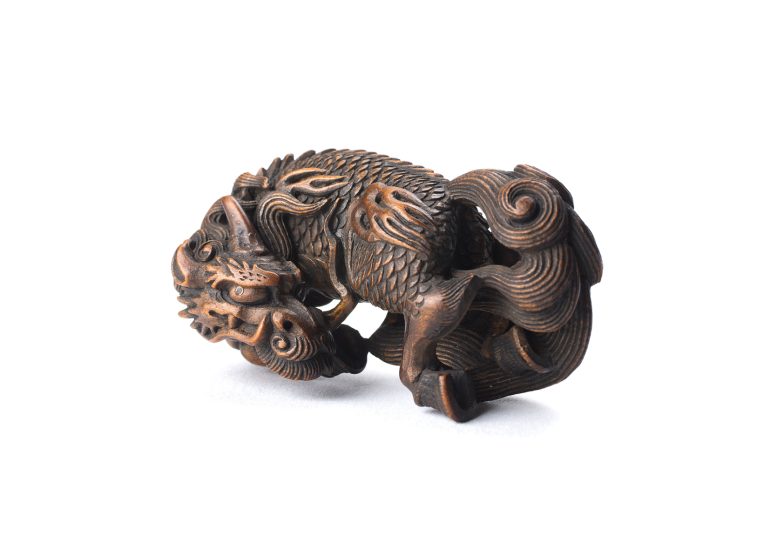

The Embassy of Japan in Paraguay has announced the upcoming presentation of a travelling exhibition titled “Netsuke – miniature sculptures carved in wood.” The exhibition will be held from Wednesday 13 May to Saturday 13 June, 2026, at the Casa Castelví, located in the Manzana de la Rivera cultural complex in Asunción. The Netsuke miniature sculpture exhibition offers visitors an opportunity to engage with a unique and historic Japanese art form.
The exhibition will be open to visitors from Monday to Saturday, with viewing hours from 09:00 to 12:00 and from 15:00 to 19:00. In an effort to ensure wide accessibility, admission is free of charge for all attendees. Furthermore, the venue will remain open during the public holidays on the 14 and 15 May, allowing more people to experience the collection.
A celebration of cultural ties
The Netsuke miniature sculpture exhibition is a central component of the commemorations marking the 90th anniversary of Japanese immigration to Paraguay. The exhibition therefore serves as a testament to the enduring relationship between the two nations. The event is organised by the Japanese diplomatic mission with significant support from the Carlos Colombino City Cultural Centre. It also benefits from the official patronage of the Japan Foundation. Recently, 55 Paraguayan harps were shining in Tokyo during commemorative activities in Japan.
The Netsuke exhibition brings together a collection of 65 traditional Japanese sculptures. These small-scale pieces are known as netsuke (miniature decorative toggles) and are celebrated for combining history, exceptional craftsmanship, and deep cultural meaning. Each piece provides a window into the artistic heritage of Japan.
The evolution from function to art
These intricate objects originated in Japan around the 17th century. Initially, netsuke served a purely functional purpose related to traditional dress. Since kimonos did not have pockets, these carved items were used as toggles to secure small pouches or containers to the sash. This practical need gave rise to a sophisticated art form.
Over time, the role of the netsuke evolved significantly. What began as a utilitarian object gradually transformed into a medium for artistic expression and a symbol of status. Artisans began to apply remarkable skill to their creation, and the objects became known for their extraordinary level of detail and imaginative designs.
Themes from nature and folklore
The pieces displayed in the exhibition reflect a wide variety of subjects central to Japanese culture. Many of the carvings draw inspiration from the natural world, while others depict figures from folklore and mythology. The collection also explores the interplay between ancient traditions and contemporary contexts, showcasing the art’s enduring relevance.
Organisers highlighted that this showcase is part of an international programme of travelling exhibitions. This global initiative is driven by the Japan Foundation, an organisation dedicated to promoting cultural exchange and understanding between countries through diverse artistic manifestations.
Promoting global cultural exchange
The primary aim of the Japan Foundation‘s international programme is to foster deeper cross-cultural communication. By sharing various art forms, the foundation seeks to build bridges and enhance mutual understanding between Japan and the global community. These exhibitions are a key part of its cultural diplomacy efforts.
Currently, more than 20 similar exhibitions are touring different regions of the world as part of this programme. According to the organisers, these displays have consistently been met with a favourable and positive reception from the public, indicating a strong international interest in Japanese art and craftsmanship.