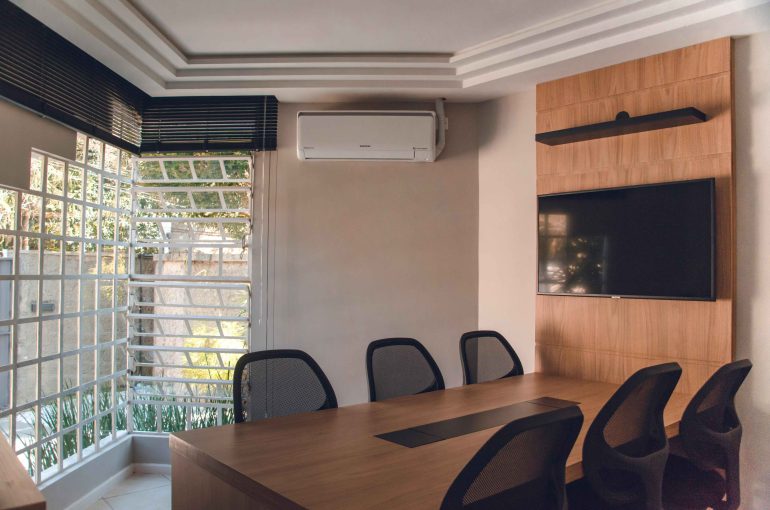

Paraguay’s corporate real estate sector is growing. Since 2020, the total stock of office space in Asunción, the country’s capital, has expanded by roughly 20%, rising from approximately 250,000 m² to more than 300,000 m² by 2025. The growth has been steady rather than sudden, averaging around 15,000 m² of new office space per year.
That figure points to something broader: the country’s business community is beginning to rethink what an office is for.
A market still maturing

The expansion is concentrated almost entirely in Asunción, where the bulk of Paraguay’s corporate activity is based. Industry specialists describe the market as emerging and more developed than it was five years ago. However, it still trails established South American office hubs like Buenos Aires and Santiago.
What is changing is the logic behind office decisions. Architect Juan Bonini, owner of Estudio Bonini in Asunción, spoke to local media about changing workplace priorities. He said companies once focused almost exclusively on operational costs when choosing office space. That is no longer the case for many.
“In Paraguay, the corporate market was never as active as the operational one, where the focus was on costs and day-to-day running,” he said. “Now that is changing, because companies are under pressure from their brand positioning and international relationships.”
In other words, an office space in Asunción is increasingly seen as a message, a physical statement of where a company stands.
Two tiers, two price tracks
The clearest sign of a maturing market is the divergence in rental prices between office categories.
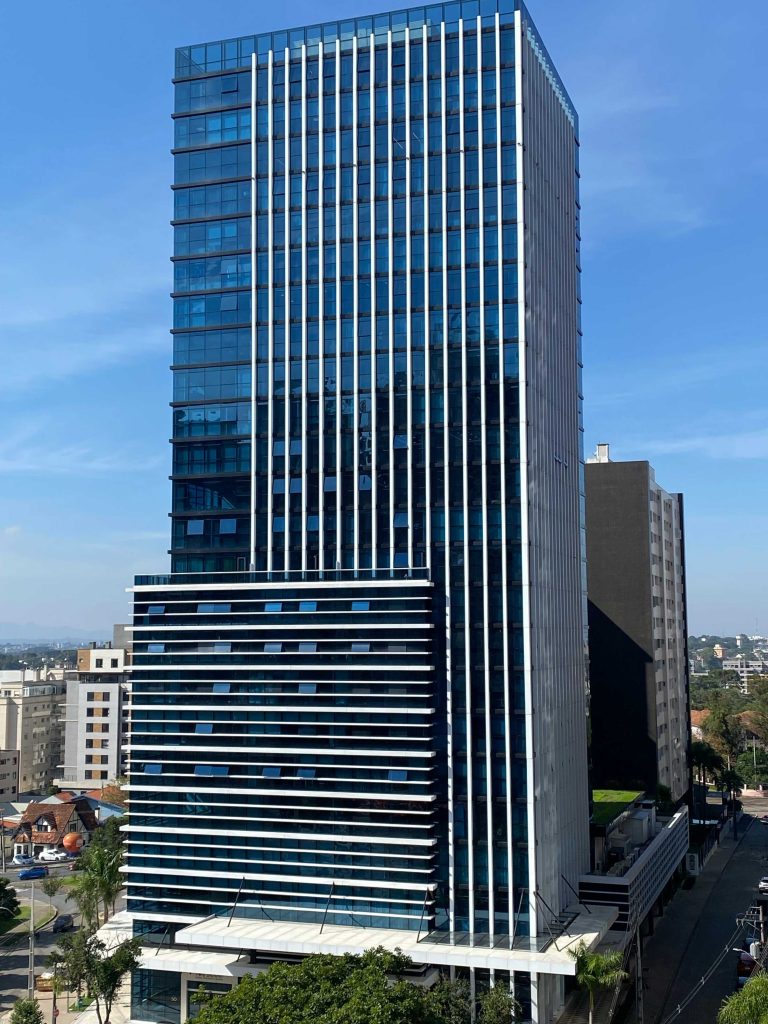
Class A offices, buildings that meet modern international standards in terms of design, technology and amenities, have seen rents rise significantly, from US$12 to US$18 per m² per month. Class B offices, which are functional but older or less equipped, have remained stable at around US$12 per m² monthly. The overall market average sits near US$13.
This gap reflects differing demand patterns, not only differences in construction quality. Newer, high-specification buildings are drawing companies with greater expectations, and the capacity to pay for them.
Bonini cited the example of Sudameris Plaza, a forthcoming development in the Mariscal López and República Argentina area of Asunción designed by British architect Norman Foster. “They did not hire Foster by chance,” he said. “They did it to communicate status, power and confidence.” For Bonini, the choice signals where the upper end of the market is heading.
Where demand is concentrated
The main corporate corridor follows Avenida Aviadores del Chaco and Avenida Santa Teresa in northern Asunción. The microcentro still attracts tenants needing government access, though many buildings struggle to compete on quality.
Most transactions in the Paraguay office market involve small spaces. The majority of leases cover fewer than 200 m², and a significant portion are under 100 m², a reflection of an economy dominated by small and medium-sized businesses.
A new law could reshape demand
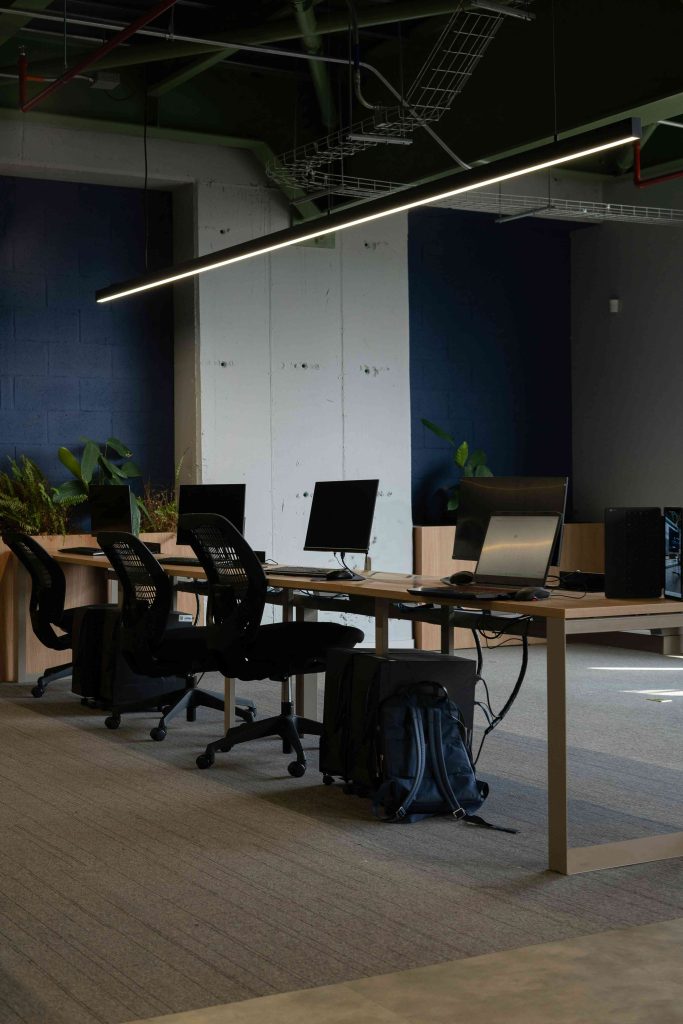
A structural shift may be on the horizon. Paraguay’s expanded maquila regime now includes service exports for the first time. Previously limited to manufacturing, the new Maquila Law extends these benefits to sectors such as software development, digital marketing, and other business services.
Fernando Galeano of JLL Paraguay said the change could directly affect the office market: “The extension of this scheme could open a new phase for office absorption, especially if it succeeds in attracting foreign firms or encouraging local companies oriented towards service exports to expand.”
If international firms establish operations in Asunción, demand for quality office space could grow more rapidly.
What investors see in the Paraguay office market
For property investors, the sector offers appeal rooted in Paraguay’s broader economic fundamentals: consistent GDP growth, low inflation by regional standards, fiscal competitiveness, and relative political stability. No major supply increases are expected soon, though Ciudad del Este is attracting early corporate development interest.
Galeano summed up the current mood: “The market is moving towards more strategic decisions, where companies want their spaces to support their operations and growth.” For a sector still finding its footing, that is a significant change of direction.