
Paraguay’s national parks are some of the country’s most vivid landscapes, and some of its least told stories. Into the Wild, a series from The Asunción Times, travels through them in chronological order, from the first park established to the most recent. In this seventh episode, we explore Serranía San Luis National Park, where rocky hills, streams and Cerrado vegetation shelter northern Paraguay’s wildlife.
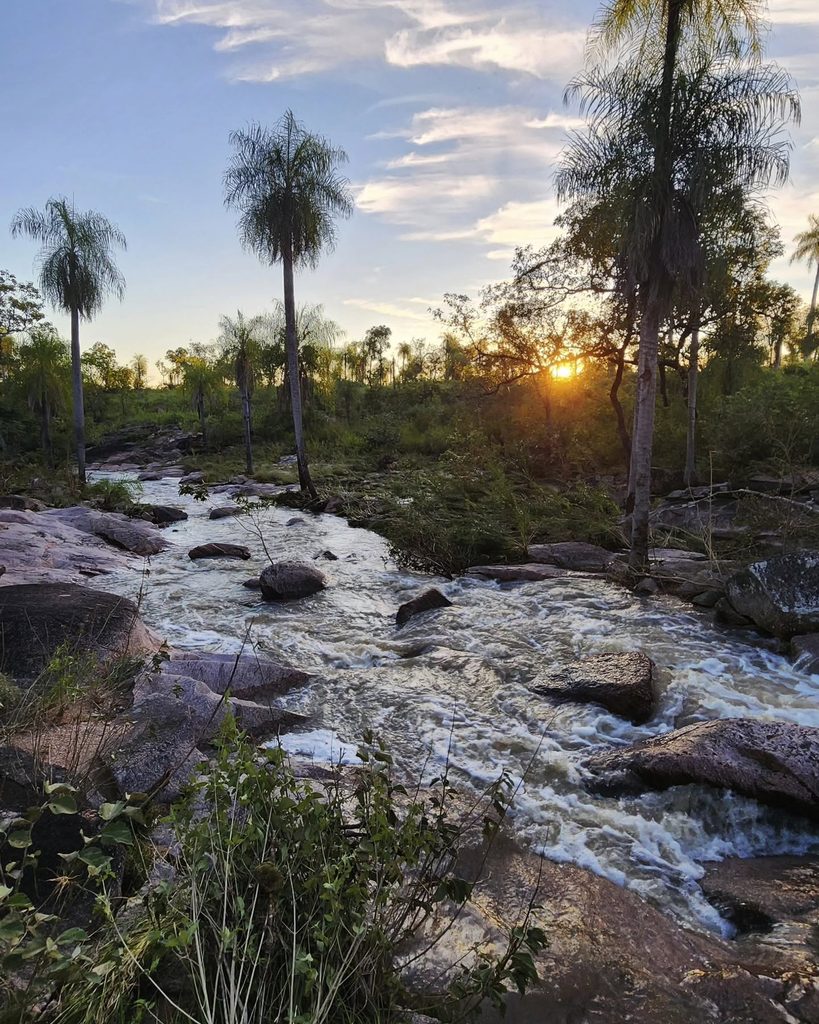
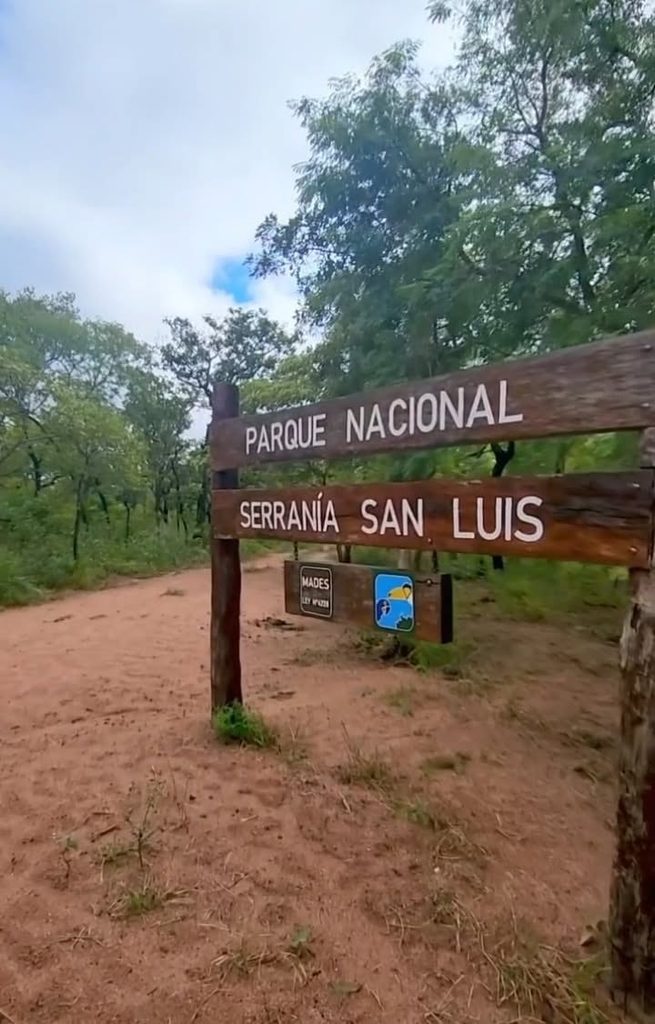
After the dry forests of Teniente Agripino Enciso, our journey returns to the Eastern Region of Paraguay. Here, in Concepción department, Serranía San Luis protects approximately 10,282 hectares of a landscape shaped by both woodland and open vegetation.
A park connected to a road
Authorities established Serranía San Luis National Park on 20 December 1991. Its founding decree identified a practical reason for protection: reducing the environmental effects of planned road development in the region.
The decree specifically connected conservation with the Concepción–Cuero Fresco road project. It also highlighted valuable trees, macaws and geological formations. Protecting the area would help preserve a representative part of the Aquidabán ecoregion as transport infrastructure expanded.
Where woodland meets open country
Serranía San Luis protects part of the Cerrado, a South American ecosystem that extends into Paraguay. Its scenery includes open fields, wooded savannah and denser forest, with rocky ground adding further variety.
The park’s conservation priorities include the Serranía San Luis hills and the Tagatiyá stream and its headwaters. They also include native trees such as trébol, guatambú and urunde’y mi. Together, these habitats show why conserving a landscape involves protecting its water, vegetation and terrain.
A rare bush dog sighting
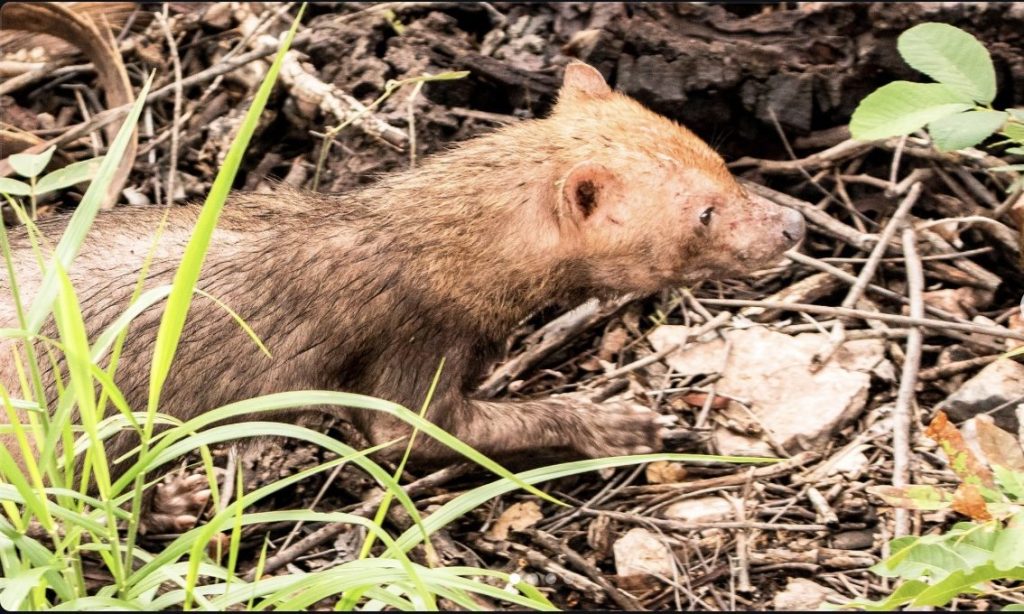
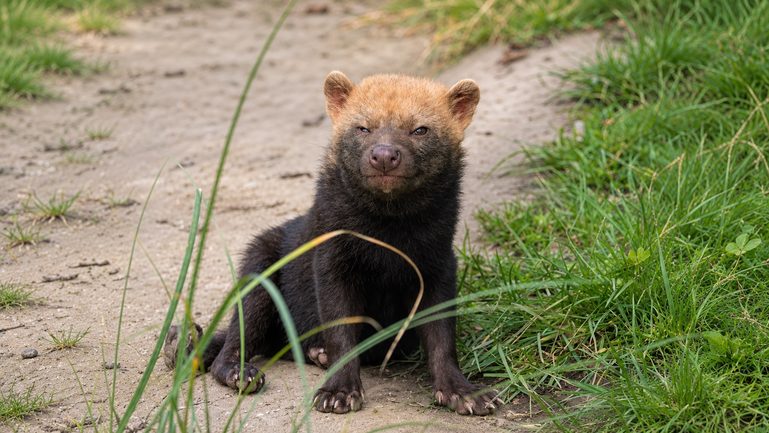
One of the park’s most significant wildlife records involves the bush dog (Speothos venaticus), known locally as jagua yvyguy. In May 2025, MADES announced its first officially documented photographic record in the park. Local residents described it as the first sighting in more than four decades.
The discovery provides valuable evidence of a species that remains extremely difficult to study. Classified as endangered in Paraguay, the bush dog faces habitat loss, illegal hunting and diseases transmitted by domestic animals. Confirming its presence helps researchers understand its distribution and highlights the importance of protecting and monitoring the park’s habitats.
Macaws, forest mammals and bats
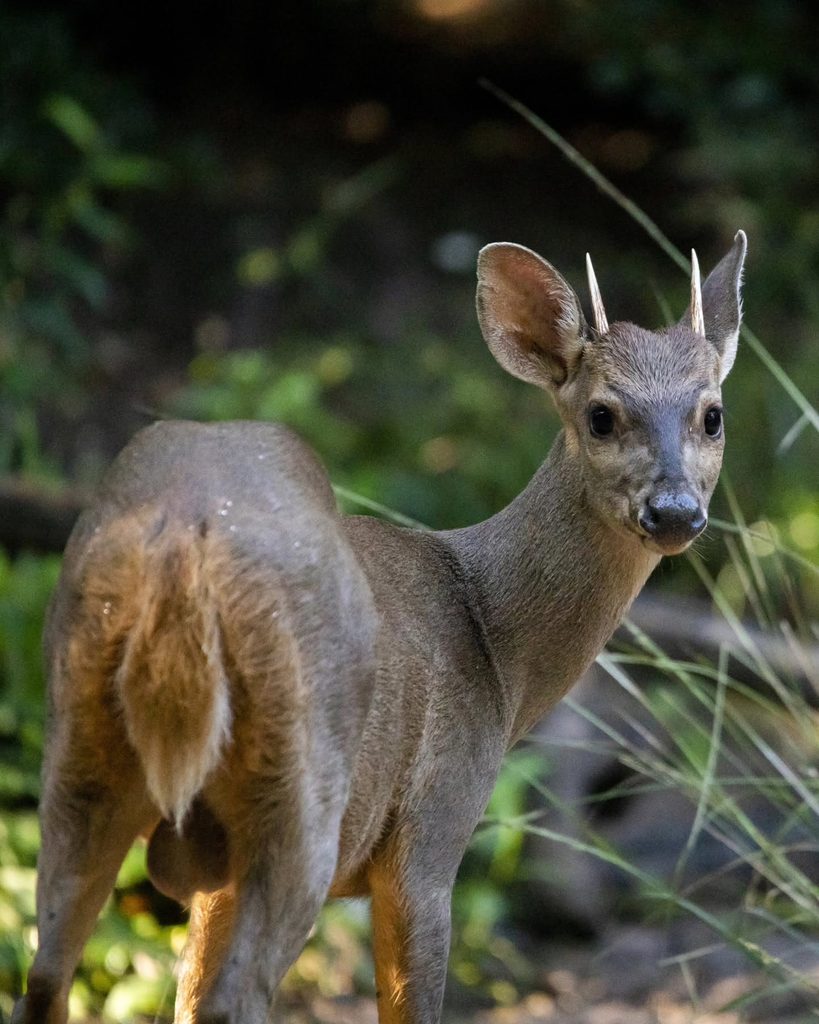
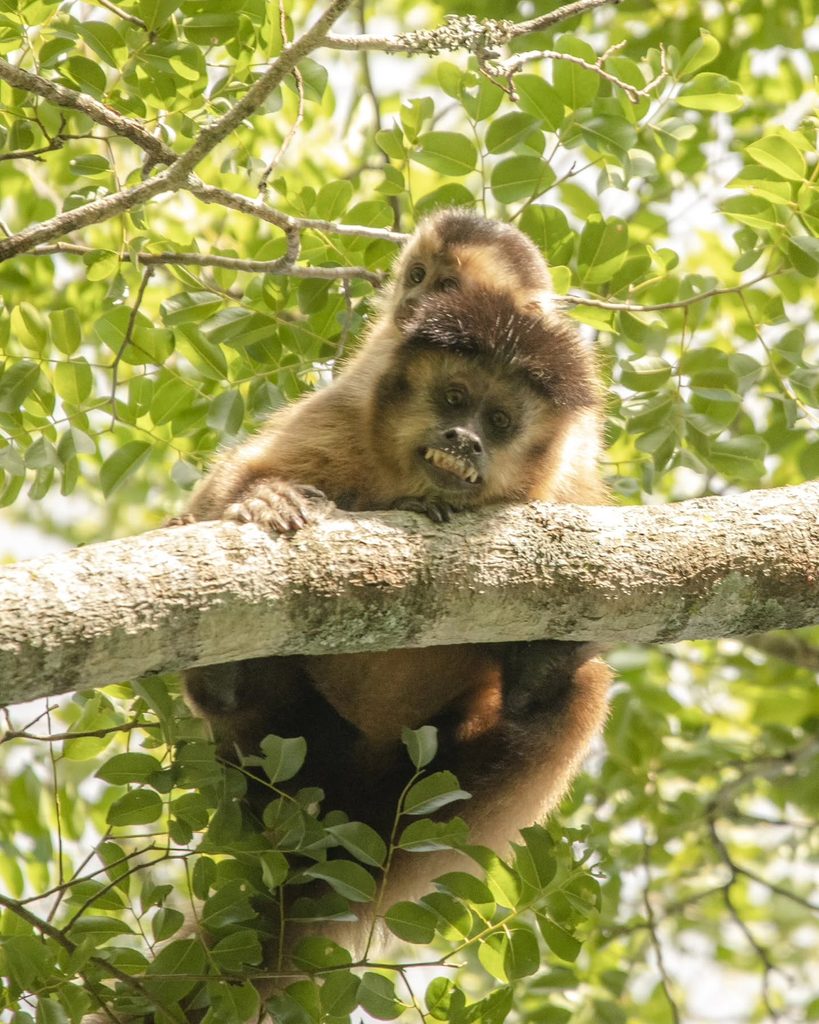
The park’s wildlife includes red-and-green macaws, known locally as gua’a pytã, and bare-faced curassows, or mytũ. Ocelots also feature among the species identified as conservation priorities. Smaller inhabitants include Dendropsophus elianae, a tree frog, and the Cerrado toad Rhinella scitula.
Bats provide another reason to look beyond the most conspicuous animals. The Ministry of Environment and Sustainable Development (MADES) reports 25 bat species in the park. This diversity makes Serranía San Luis an important place for studying animals that visitors may rarely notice during daylight walks.
Protection beyond the decree
Legal recognition has not removed every threat. In April 2020, MADES opened an internal preliminary investigation following allegations of indiscriminate tree cutting inside the park. The case illustrates the continuing work required to protect an area after its creation.
Later that year, ministry technicians and park rangers worked to locate and clear boundary markers. These efforts supported a judicial survey intended to clarify the park’s boundaries. Conservation here depends on fieldwork and administration as well as the protection of individual species.
Planning a visit to Serranía San Luis
MADES lists hiking, wildlife observation and camping among the park’s activities. Access involves an unpaved approach from the Concepción–Vallemí route, and the ministry recommends a four-wheel-drive vehicle because of road conditions.
Before travelling, confirm access, camping arrangements and available trails with park staff. Bring drinking water, sun protection and suitable footwear. Allow time to observe the changing vegetation and streams, while giving wildlife space to move undisturbed.
Serranía San Luis adds another landscape to Paraguay’s protected-area story. Its hills and headwaters help explain why the country’s natural heritage extends beyond its best-known forests and waterfalls.
Next up: Into the Wild #8
Our journey concludes at Médanos del Chaco National Park. In this final episode, we explore the sand dunes and dry landscapes of northern Paraguay’s Chaco.
Read previous episodes of this The Asunción Times series:
Into The Wild #6: Wartime Trails Through Paraguay’s Teniente Enciso National Park
Into The Wild #5: Exploring The Forests And Battlefields Of Cerro Corá National Park