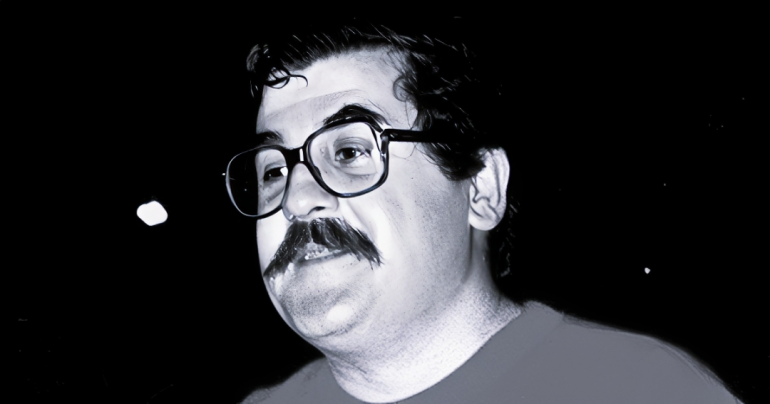

Every 26 April marks Day of the Paraguayan journalist. It is a date to congratulate and celebrate press workers. However, beyond these celebrations, it is also a day of remembrance. A reminder of why being a journalist in Paraguay matters, and of those who have risked or lost their lives while doing their job.
The Day of the Paraguayan journalist has deep historical roots. At the same time, in recent decades, it has also become a day in which messages are sent to the press, some of them dangerous. For this reason, 26 April remains essential to revisit the day’s origins and understand why it must be commemorated with both pride and responsibility.
“El Paraguayo Independiente”, the first newspaper
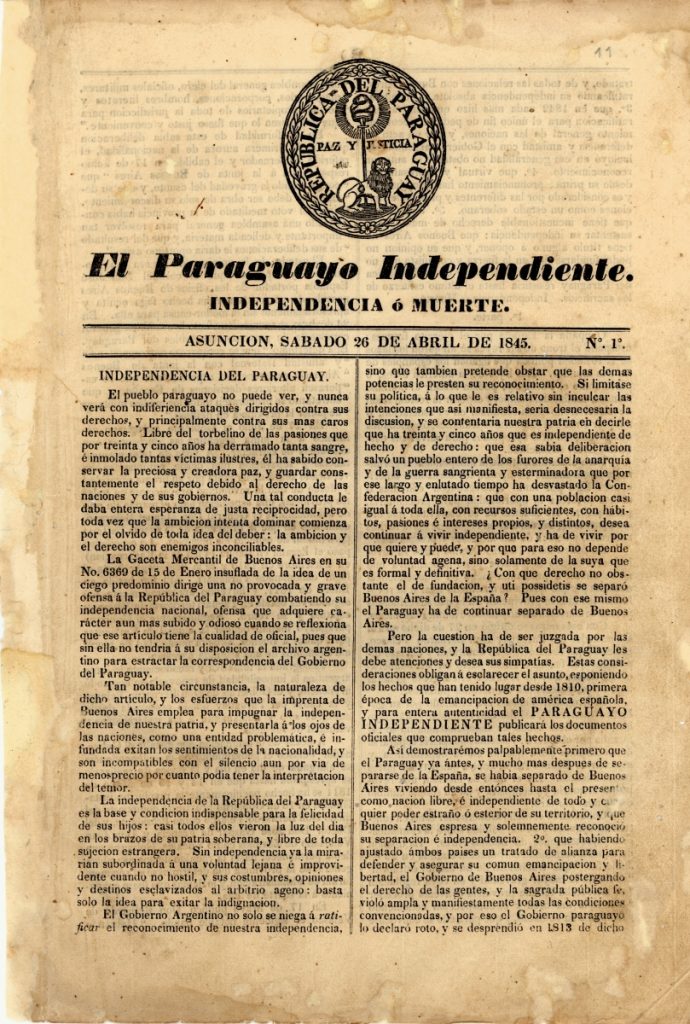
In the early years of the country, Paraguay’s neighbours were reluctant to recognise its independence. Despite being independent since 1811, its existence as a sovereign state was constantly at risk. Argentina, in particular, sought to annex or subjugate Paraguay and even blocked its rivers, limiting access to trade and communication with the outside world.
Paraguayan President Carlos Antonio López (1792-1862) understood that international recognition was crucial. For this reason, he founded El Paraguayo Independiente on 26 April 1845. Its publication marked the birth of the press in Paraguay. Although it was a state publication, its purpose was clear. The paper was not meant to function as a modern newspaper, but rather as a tool to defend Paraguay’s sovereignty and independence from external threats. Published weekly, it quickly became influential among both citizens and foreigners.
Its impact was tangible. Brazil recognised Paraguay’s independence in 1844 and Argentina followed in 1852. The newspaper had fulfilled its mission. For that reason, 26 April was later established as the Day of the Paraguayan journalist.
Day of the Paraguayan journalist, marked with blood
Despite its historical importance, journalism in Paraguay has never been an easy profession. Throughout the 20th century, many press workers were silenced, persecuted, exiled or censored. Particularly, during the dictatorship of Alfredo Stroessner (1954-1989). Newspapers were censored, attacked and eventually shut down. With the return of democracy, many believed that the press would finally be free. That hope, however, was shaken by violence.
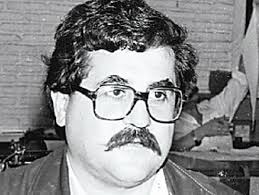
The most emblematic case is that of Santiago Leguizamón, a journalist from Asunción who worked in the city of Pedro Juan Caballero. He reported on corruption, drug trafficking and smuggling along the border with Brazil.
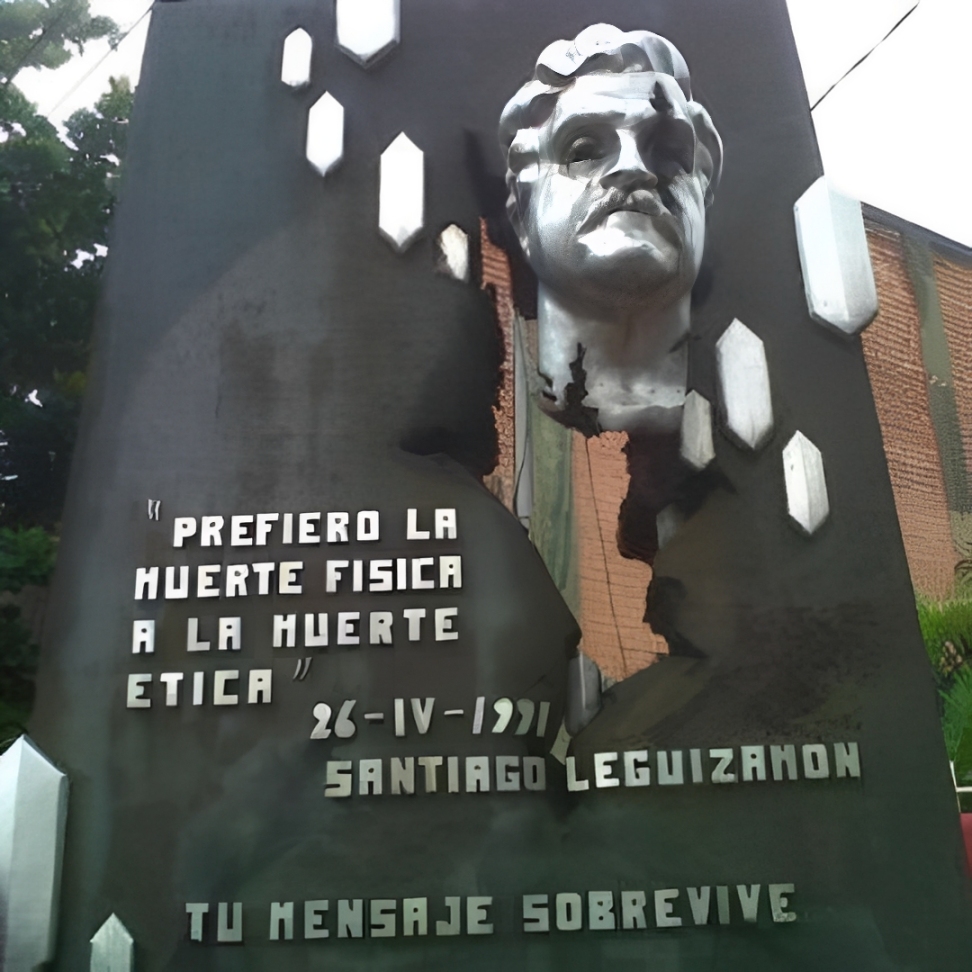
Despite warnings about the risks he faced, he chose to continue his work. Hours before his assassination, he stated “I prefer physical death to ethical death”. On 26 April 1991, he was murdered by unknown gunmen. The date was not coincidental. Many interpreted the crime as a message aimed at silencing other journalists.
His name is not the only one. Others who lost their lives in the exercise of journalism include Calixto Mendoza, Benito Ramón Jara, Salvador Medina, Yamila Cantero, Samuel Román, Ángela Acosta, Alberto Tito Palma, Martín Ocampos, Merardo Romero, Carlos Artaza, Marcelino Vázquez, Fausto Gabriel Alcaraz, Edgar Paulo Fernández, Pablo Medina, Antonia Almada, Gerardo Servián, Eduardo González, Leo Veras and Humberto Coronel.
The importance of the Day of the Paraguayan Journalist
The Day of the Paraguayan Journalist is not only a commemoration of the past. It is a reflection of the present and a commitment to the future. Journalism remains a fundamental pillar of democracy. To be a journalist in Paraguay is not only to report facts. It is to investigate, question and give voice to those who might otherwise remain unheard.
26 April serves as a reminder that freedom of expression is neither absolute, nor guaranteed. It must be defended daily through responsible journalism and an informed society. The work of journalists goes beyond headlines. It shapes public debate, exposes injustices and contributes to the construction of any transparent country.
Remembering those who lost their lives is not an act of nostalgia, but one of responsibility. Their stories highlight the cost of truth and the importance of protecting those who seek it.
On 26 April, Paraguay does not only celebrate its journalists. It honours their courage, recognises their role in society and reaffirms the need to defend an independent and responsible press.