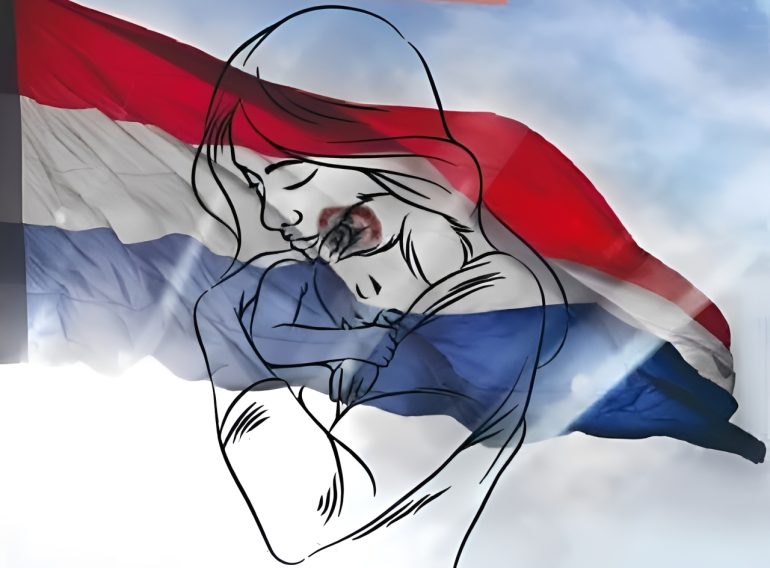

Every year on 15 May, Paraguay marks one of its most meaningful national celebrations. The date combines Mother’s Day and Independence Day, bringing together family traditions and patriotic commemorations across the country.
Unlike many countries that celebrate Mother’s Day on a Sunday in May, Paraguay observes the occasion on a fixed date. The celebration coincides with the anniversary of Paraguay’s independence from Spain in 1811, creating a unique holiday that honours both mothers and the nation itself. Across Asunción and other cities, families gather for lunches, exchange gifts and flowers, and pay tribute to mothers and grandmothers. At the same time, patriotic ceremonies, cultural events, and historical activities take place throughout the country.
The origins behind the dual celebration on 15 May
The connection between Mother’s Day and Independence Day is closely linked to the idea of “Madre Patria”, or Motherland. Historians explain that the symbolism of motherhood became associated with the birth of the Paraguayan nation after independence. According to historical records, educator Alfonso Belisario Campos formally promoted the celebration in schools in 1924. He connected the idea of honouring mothers with patriotic education and national identity.
Several historians also associate the date with Juana María de Lara, one of the women linked to Paraguay’s independence movement. During the revolutionary events of May 1811, she reportedly carried messages supporting independence and later became an important symbolic female figure in Paraguayan history. However, historians note that Mother’s Day was not created specifically in her honour. Instead, the celebration developed mainly from the patriotic concept of “Motherland” and the desire to unite motherhood with national identity.
A holiday filled with traditions
The celebrations begin even before 15 May. Schools often organise performances where children recite poems, sing songs, and prepare handmade gifts for their mothers. Churches also hold special masses and blessings dedicated to mothers and families.
On the holiday itself, many families prepare traditional Paraguayan meals such as sopa paraguaya, chipa guasu, and asado. Restaurants across Asunción usually experience one of their busiest days of the year as families gather for lunch or dinner. Flowers also carry symbolic meaning during the celebration. Traditionally, red flowers represent living mothers, while white flowers honour mothers who have passed away.
Meanwhile, patriotic events continue throughout the country. Public institutions, museums, and cultural centres often organise free activities connected to the independence celebrations. Historic landmarks in central Asunción, including the Casa de la Independencia, become important gathering points during the festivities. Many Paraguayans also attend concerts, folk dance performances, and artisan fairs held during the national holiday period.
A celebration unique to Paraguay
Over the years, some public figures have suggested moving Mother’s Day to another date due to concerns that it overshadowed Independence Day commemorations. However, the proposal never gained lasting support. Many Paraguayans view the combined celebration as an essential part of the country’s cultural identity.
Today, 15 May remains one of Paraguay’s most significant annual celebrations. It reflects not only the importance of mothers within Paraguayan society but also the strong connection between family, history, and national identity. For many citizens, the holiday represents more than a public commemoration. It is a day that honours both the women who sustain families and the historical legacy that shaped Paraguay itself.