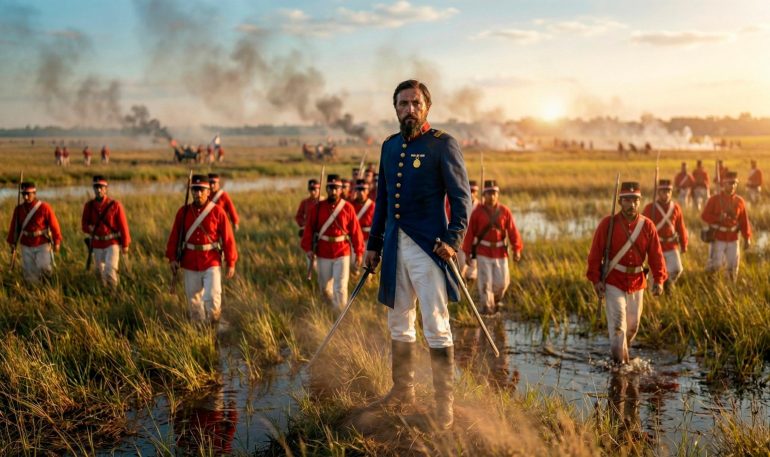

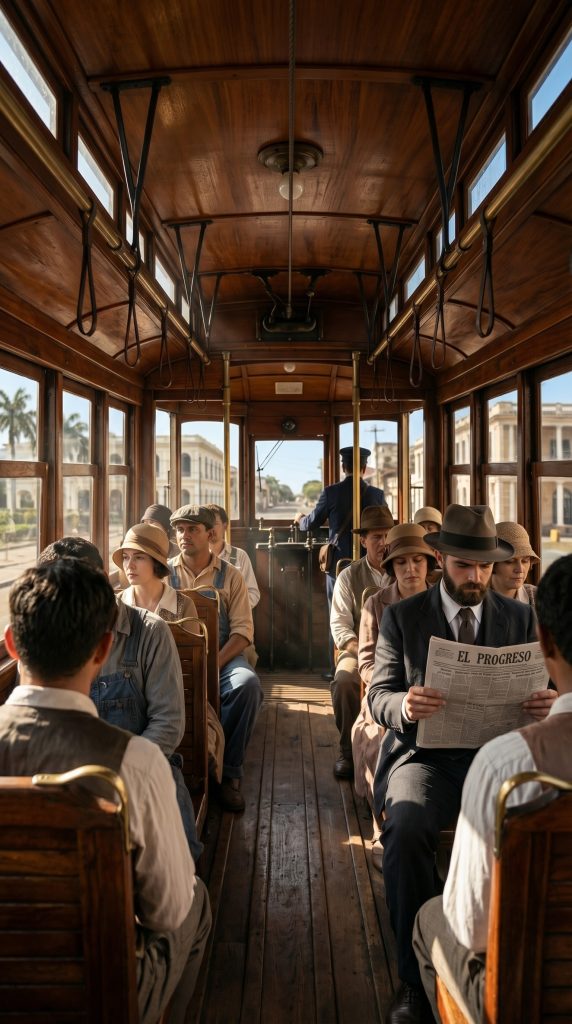
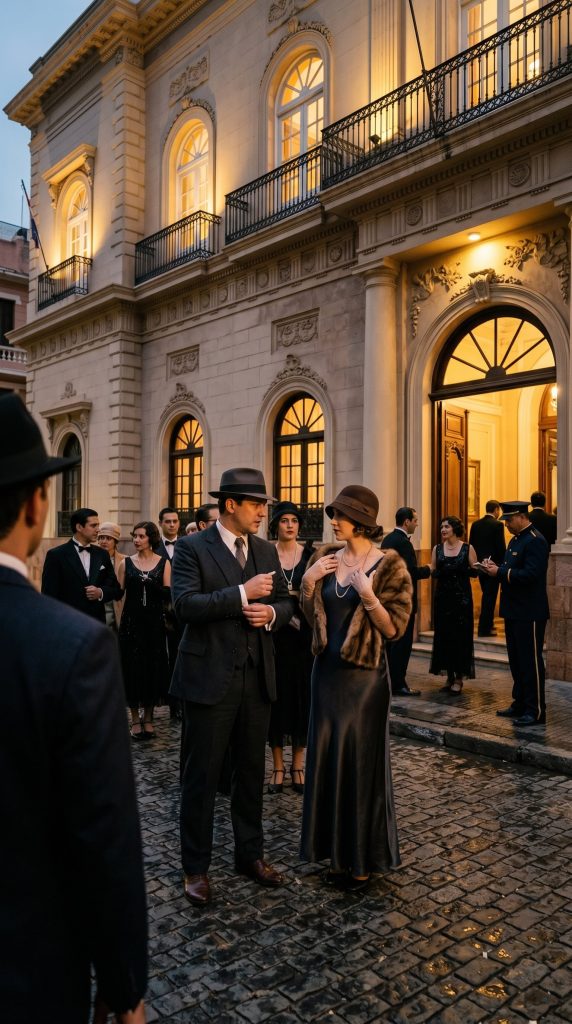
In Paraguay, much of the country’s history survives in books, scattered photographs, and written testimonies, but rarely in moving images. Paraguayan art director and graphic designer José Báez is changing that by using a combination of artificial intelligence and traditional filmmaking tools to reconstruct historical moments and make them accessible to modern audiences.
From design to storytelling

José Báez works across visual and creative fields that extend beyond traditional design. “I am an art director and a graphic designer. I have had a career in the advertising world for more than 20 years now.”
Alongside his work at a creative agency, he continuously explores other forms of expression. “I always try to look for, moved by curiosity, moved by a certain passion, I always look for the way to be able to express beyond work,” he tells The Asunción Times. He takes an interest in cinematography, photography, culture, and history, which shape his visual language.
A focus on Paraguayan history
His interest in Paraguayan history emerged from a very simple need: to visualise what he was reading. Báez begins this project while reading about Paraguayan history and searching for images that do not exist.
“I am very visual. When I read something, I want to see it. It is like a necessity for me”. He opens the new tools and tests the scenes he imagines. The first results convince him that he can show parts of Paraguay’s past that many people have never seen.
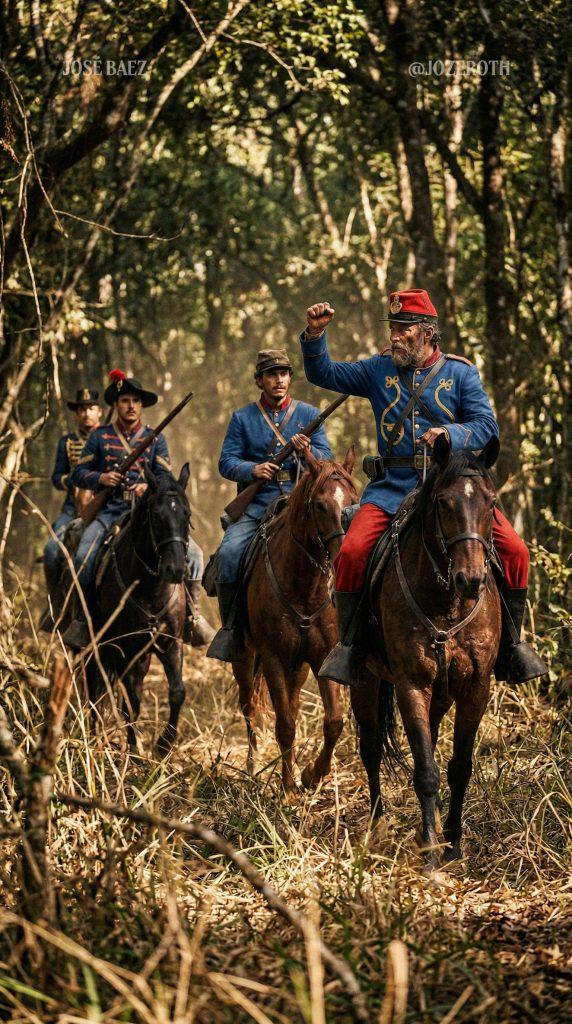
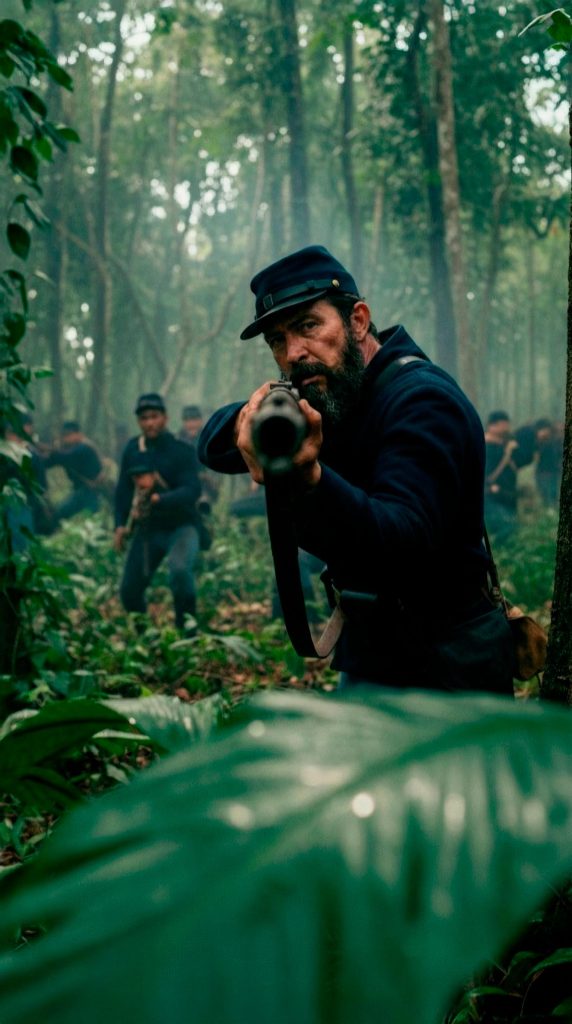
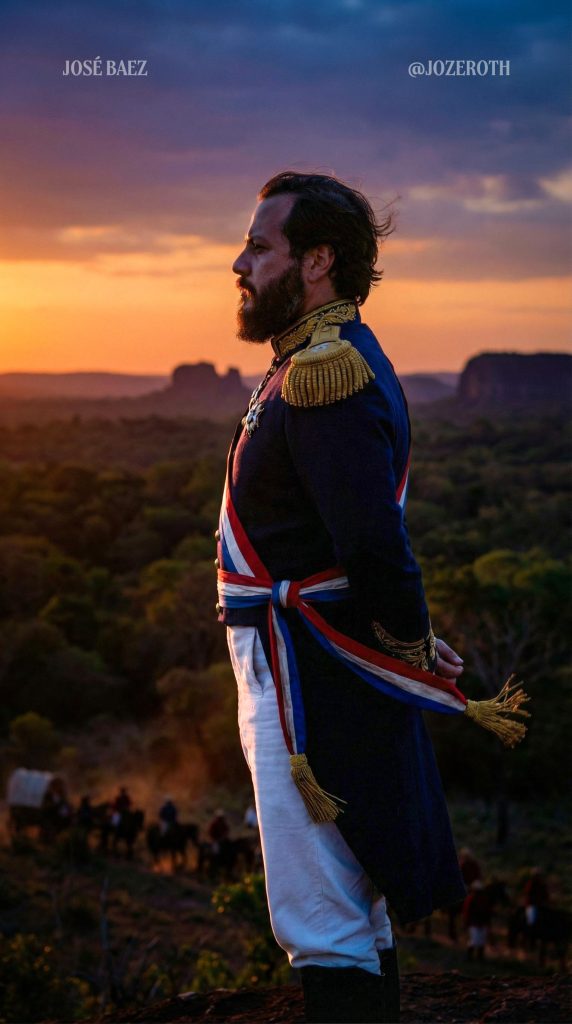
His earliest videos include content related to the Paraguayan War, where photographs and paintings remain scarce. He also explored the Chaco War, the Encarnación Tornado, the Miríñay and Adela boat tragedy, and the story of San Roque González de Santa Cruz. Each subject gives him another way to reconstruct the country’s memory.
Reconstructing historical moments
Much of Báez’s work focuses on bringing historical experiences closer to the viewer. In particular, he often engages with moments of conflict found in Paraguay’s past, where written accounts are more common than visual documentation.
“I want people to feel it. I want them to feel what they felt. Sit there with the soldier, feel what he felt in first person.”
For Báez, the goal is to inform and create proximity, placing the viewer inside the experience of history rather than just observing it from a distance.
Building each story
Each project begins with extensive research. “You search, you read forums, you find videos on YouTube, you collect photographs, notes, everything you can imagine.”
Once he has a topic in mind, Báez investigates it as thoroughly as possible, consulting multiple sources and gathering visual references to understand the historical context in detail. He studies photographs, written accounts, and videos to capture the factual information and the atmosphere of the period.
From this material, he constructs a perspective. “One does not tell linearly or what is on Wikipedia. One has a position.” Scripts are then developed, refined, and reworked throughout the process.
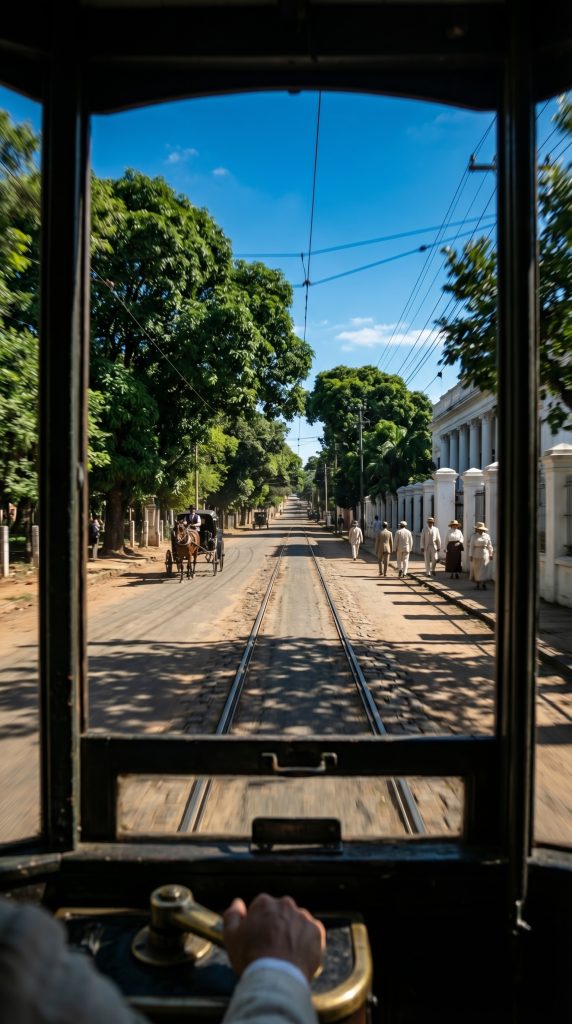
After structuring the narrative and defining what he wants to highlight, Báez begins creating each image based on the references he has collected. He pays close attention to lighting, framing, color grading, and historical accuracy.
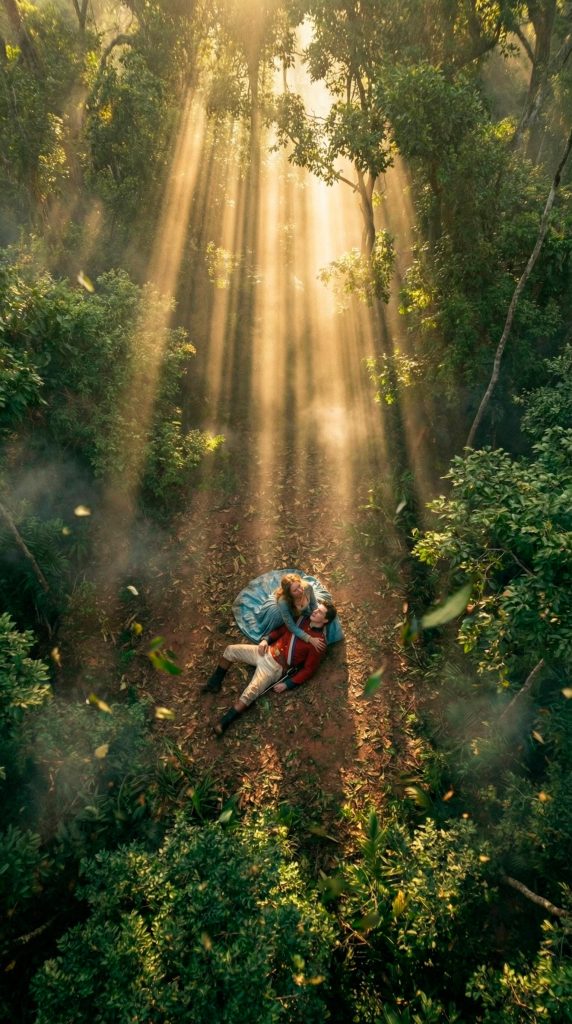
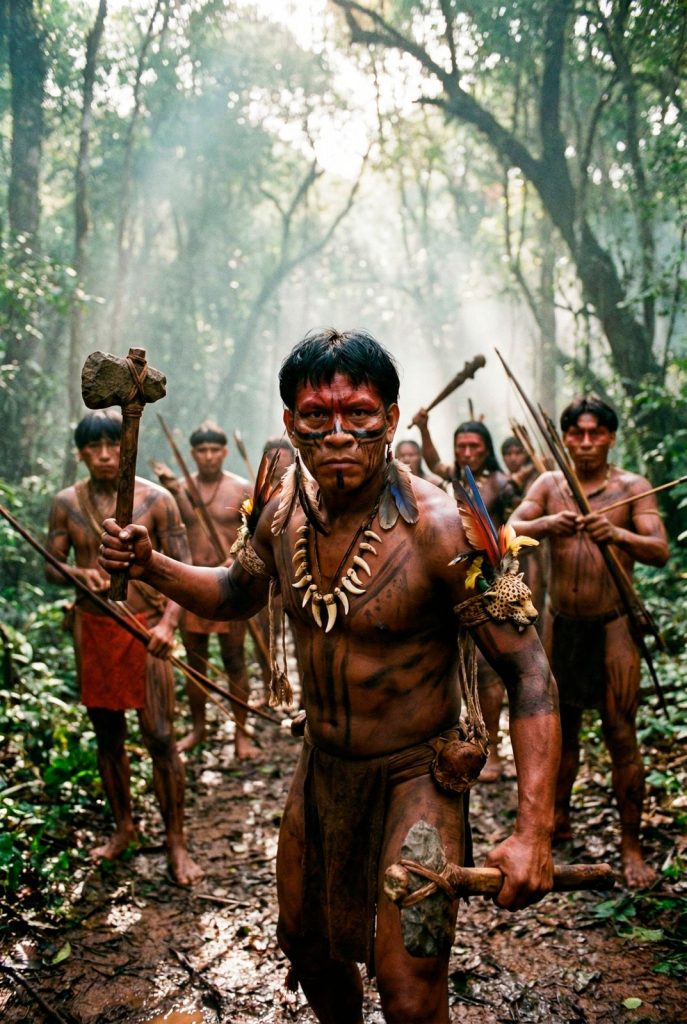
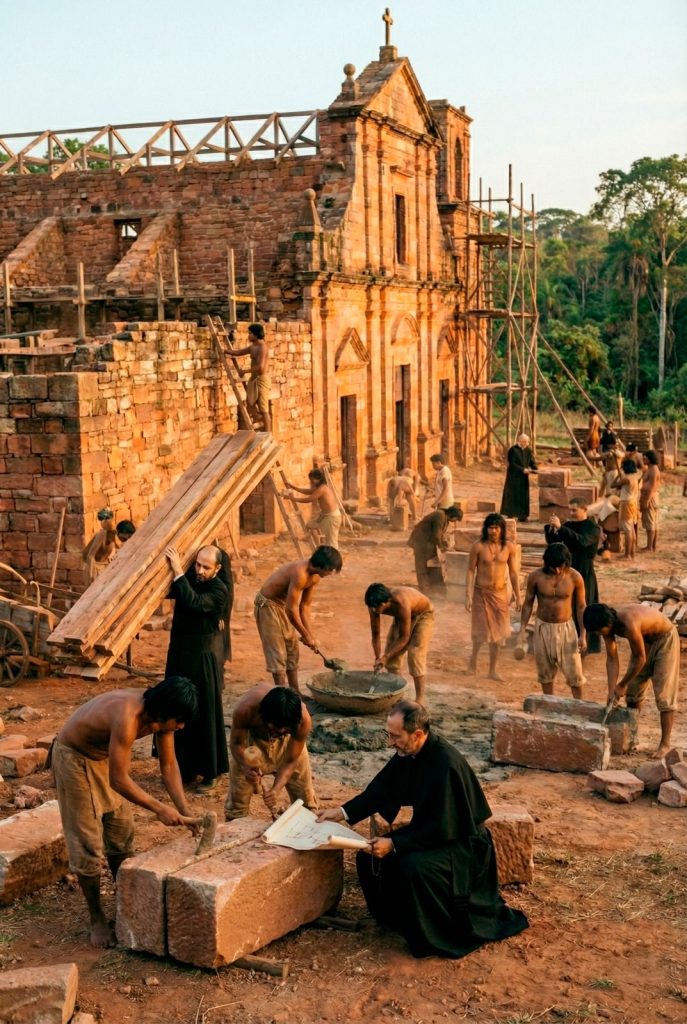
These images are then transformed into video clips. Báez records the narration, selects music that conveys the intended emotional tone, and assembles all of the elements during editing. Throughout the process, he often adds new details or replaces scenes to ensure the final piece fully reflects his original intention.
Báez describes his workflow as a combination of artificial intelligence and traditional creative tools. His AI tools include ChatGPT, Google Gemini, and Kling AI, while his traditional softwares include Adobe Premiere Pro, Adobe Audition, Adobe Photoshop, and Adobe Illustrator.
For him, technology is a tool and is never a replacement for artistic vision. “Tools always accompanied us throughout our evolution as human beings,” he reflects.
He compares current technological changes to earlier changes in artistic history. “When photography appeared, painters did not disappear. They created new movements. The tool does not replace the artist. It adds a new form.”
Audience response and future directions
Báez was surprised by the level of public engagement his work generated. “There were a lot of people who wanted to know, who wanted to learn more.” Viewers often shared the videos across generations or used them to reconnect with national identity. He also noticed strong reactions from Paraguayans living abroad, who expressed nostalgia and emotional connection to the content.
For him, the project is still evolving, with significant potential for expansion. “This is just the beginning,” he says. He envisions formats ranging from short videos to larger productions, including documentaries or even film projects.
You can learn more about his work by following José Baez on Instagram.
Also read The Asunción Times exclusive interview with the Paraguayan filmmaker Marcelo Martinessi.