
The Paraguayan Federation of Lumbermen (Fepama) is launching Expo Madera 2026 on 10 September, an event designed to showcase the significant potential of the nation’s forestry industry. Paraguay is on a path to becoming a world leader in the sector, said Ramón González, an engineer and member of the Fepama board, ahead of the event.
“It will be an opportunity for people to learn about the production and the potential that this key sector holds for the future of the country,” González stated. He affirmed that the direction promoted by the Paraguayan government is the correct one, adding, “If we continue on that path, Paraguay will be one of the strongest countries in the world on forestry issues.”
An international showcase of innovation
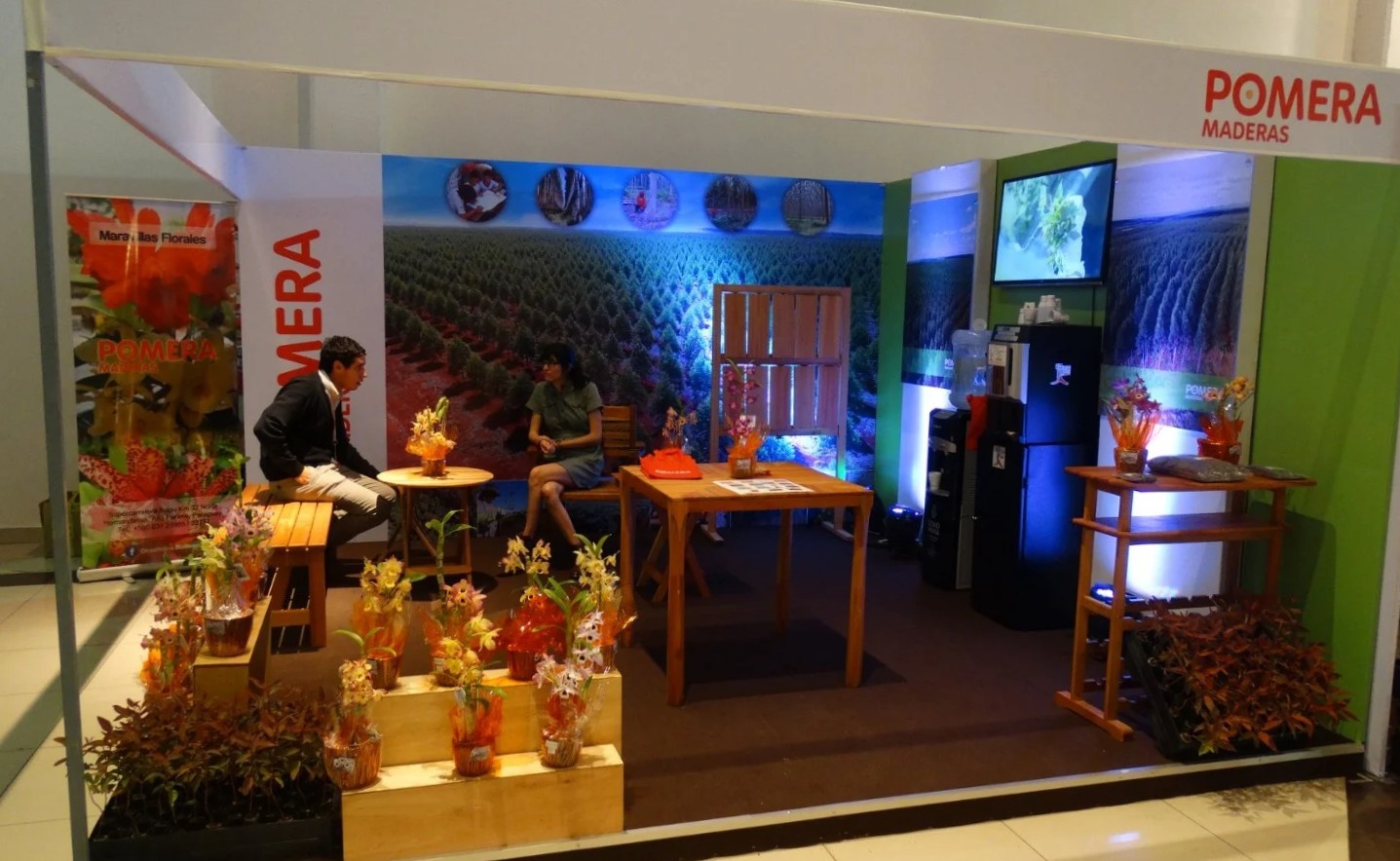
The Expo Madera 2026 exposition will take place from Thursday, 10 September to Saturday, 12 September, at the Hall of Medallists within the Paraguayan Olympic Committee complex. Opening hours will be from 10:00 to 22:00. The event will feature company displays and a series of talks addressing the challenges and dispelling common myths surrounding the industry.
González emphasised the sector’s capacity for job creation. “The sector has a very high potential to generate employment. But very few understand this key sector for the economic, social, and environmental growth of the country,” he noted. He expressed his hope that the expo will increase public understanding and appreciation of the industry.
Expo Madera 2026: Global expertise converges in Asunción
The event has confirmed the attendance of international delegations from Chile, Argentina, Japan, and a particularly large contingent from Sweden. “There will be a great deal of innovation in this edition,” González commented. As an example, he mentioned that Japanese technicians will demonstrate how to assemble a prefabricated house in a single day. The Japanese delegation will also present its construction technology and aims to forge local partnerships.
Meanwhile, the Swedish delegation will offer expertise in transport, logistics, and inventory technology for forest plantations. “There will be a wide variety of supply and also of demand.”
A leap towards mass industrialisation
González described the timber sector as highly virtuous, highlighting that it complements rather than competes with other primary sectors like agriculture and livestock. “It has a very great potential to make the leap to mass industrialisation, which is what our country needs to achieve the economic growth we so long for.”
When comparing Paraguay with its neighbours, González pointed out that while other countries may have logistical advantages such as sea access, Paraguay’s strength lies in production. “Paraguay has a competitive advantage because of the tremendous growth we can achieve in forest plantations, in our territory, and with quality production.”
Building on productive advantages
However, González also issued a note of caution. “We have to maintain that productive advantage and continue working on the rest of the chain, because the plantations only represent the first step. Then there is logistics, transport. We have to continue working on the higher part of the chain to maintain the productive advantage, and to equal or even surpass the logistical advantage of our neighbours.”
The next major objective for the sector, according to the Fepama director, is attracting large-scale industries to Paraguay. “This will allow small and medium-sized industries to be more competitive, because they will be within a more advanced logistical, scientific, and technological framework,” he explained.
“Government support is key pillar”
González acknowledged that various government programmes are fostering a positive investment climate. “The Government identified the forestry sector as one of the potential pillars for growth, as a strategic sector for the growth and economic development of Paraguay.”
He concluded with an optimistic yet pragmatic outlook. “The path is the correct one, and if we continue, Paraguay will be one of the strongest countries in the world on forestry issues.” Nevertheless, he stressed that policies require consolidation and action. “We cannot just stick with the policies. We have to strengthen the logistics chain and attract industries.”