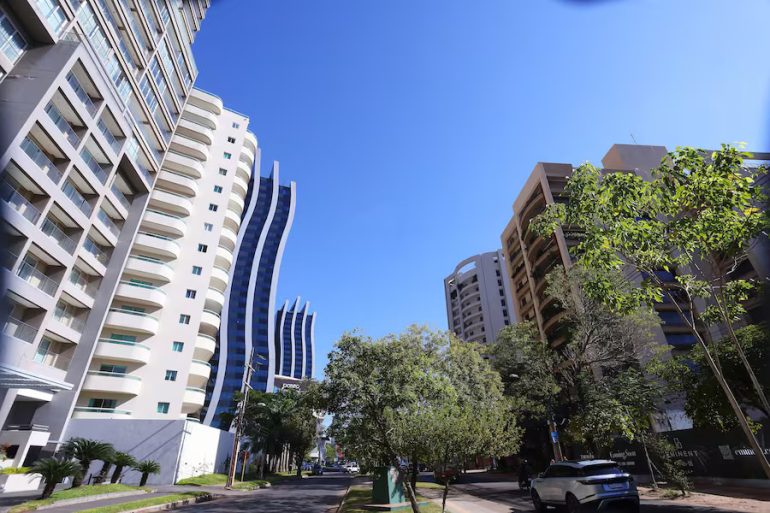

Paraguay’s hotel industry experienced a significant 43% growth in the first half of 2026 compared to the same period last year. The figures were released by the Hotel Industry Association of Paraguay (AIHPY), which also reported a national average occupancy rate of 61%. This positive performance has been largely attributed to a rise in business tourism and the development of new tourist hubs across the country.
The capital city, Asunción, saw an even higher average occupancy, reaching 64%. The data, which covers over 400 hotels nationwide, highlights the increasing importance of destinations beyond the capital. Key areas such as Itapúa and Ciudad del Este made substantial contributions to the overall figures.
“A competitive market”
The president of AIHPY, Juan Carlos Danieri, stated that the average daily rate for hotel rooms stood at US$95 during the first six months of 2026. This rate, according to Danieri, positions Paraguay competitively, placing it among the top ten most affordable markets in the region for hotel tariffs. Despite this, Danieri noted that Asunción remains the most economical capital city concerning the services offered by its hotels.
The sustained growth is not only reflected in occupancy rates but also in visitor numbers. According to the United Nations, Paraguay saw a 43% increase in visitor arrivals during the first semester of this year. This builds on a strong performance in 2025, when the National Secretariat of Tourism (Senatur) recorded 2.4 million tourist arrivals.
Main visitor sources and new interest
Danieri confirmed that traditional markets continue to be the main drivers of tourism. Visitors from neighbouring Argentina and Brazil account for 85% of the country’s tourism consumption. However, he also pointed to a growing interest from European and American tourists and investors, particularly within the real estate investment sector.
The AIHPY, an association that represents the interests of Paraguayan hoteliers, plays an important role in the sector’s development. It works alongside government bodies like Senatur, the state entity responsible for national tourism policy and promotion, to enhance the industry’s profile.
Addressing regulatory challenges
Despite the positive results, the sector faces significant challenges. Danieri highlighted the complex regulatory environment as a primary concern. Currently, the hotel industry is required to comply with approximately 38 different regulations and standards, a situation he described as a barrier to development and competitiveness. He stressed that a priority for the industry is to strengthen the collaboration between the public and private sectors to improve the business environment.
“Advancing in the simplification of these processes will allow us to boost tourism growth,” stated Danieri. He concluded that streamlining these procedures is essential to consolidate Paraguay’s position as an attractive destination for both visitors and investors.
Also read: New Tourism Minister Unveils Plan To Quintuple Visitors To Paraguay By 2037.