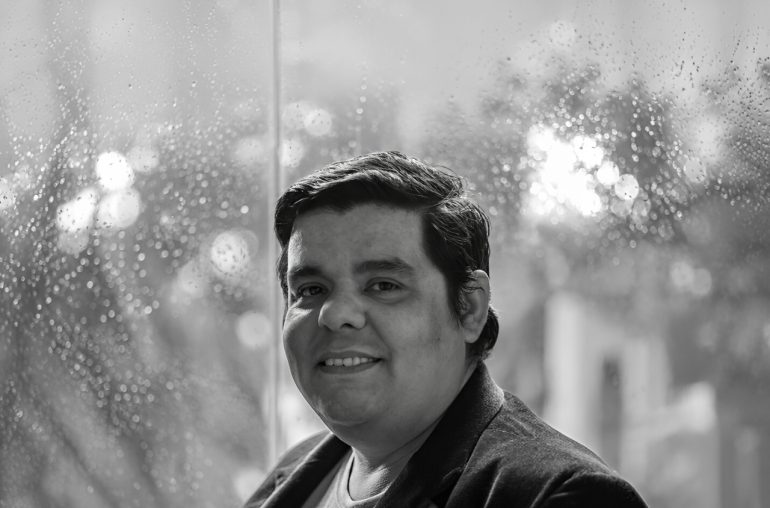

The conversation moves easily from filmmaking to culture, history and the future as Hugo Giménez, Paraguayan filmmaker, writer, educator and director of Matar a un muerto, reflects on the realities of creating films in Paraguay today. As the country’s film industry continues evolving, he discusses the challenges filmmakers face, the stories that still need to be told and the opportunities emerging through collaboration. Throughout the discussion, he returns to one central idea, that Paraguayan cinema remains a work in progress, but its identity is becoming clearer with each new production.
“Today it is quite a challenge,” Giménez tells The Asunción Times. “Yesterday and today, and surely tomorrow it will continue being a challenge.” Despite those difficulties, he speaks with optimism about a sector that continues growing through determination, creativity and cooperation.
Collaboration driving growth
For Giménez, one of the most important developments in recent years has been the increasing role of co-productions. He explains that partnerships with filmmakers and institutions from other countries allow projects to reach a higher level of expanding their creative possibilities.
“We realised that through co-productions we can generate alliances more quickly and also help projects grow. The more people participate, the more diverse the work becomes and the greater its technical and artistic rigour.”
According to him, this strategy has become one of the most effective ways for Paraguayan films to reach festivals, cinemas and international audiences. They also help local filmmakers access resources that remain difficult to obtain through domestic funding alone. As a result, many of the country’s most visible productions have emerged through collaborative efforts that connect Paraguay with other regions.
A cinema still under construction
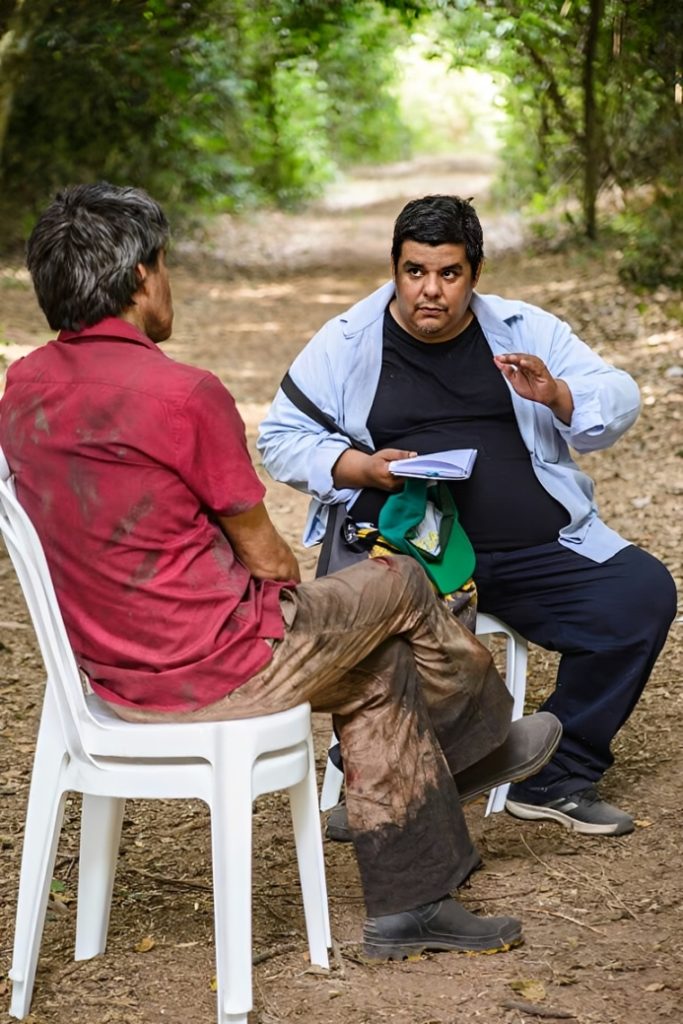
Although Paraguay does not yet have the long cinematic tradition of countries such as Argentina or Brazil, Hugo Giménez believes something distinctive is beginning to emerge. He describes Paraguayan cinema as a space where different genres, voices and experiences increasingly coexist.
“I think it is under construction. There is diversity in the works. We have genres ranging from documentary cinema to fiction, drama, comedy and horror.”
He points out that filmmakers are exploring political stories, personal narratives and artistic experiments while gradually building a larger body of work. For Giménez, creating more films remains essential because identity develops through accumulation and continuity.
“We need more films to be able to say, well, this is Paraguayan cinema,”.
At the same time, he notes that international audiences sometimes recognise characteristics that local creators overlook. “Sometimes we do not see it because we are inside it. But you go abroad, speak with people from outside, and they recognise certain tendencies.”
The stories still waiting to be told
While pleased by the diversity emerging in film in Paraguay, Giménez believes many perspectives remain absent from the screen. He argues that the country’s minority communities and regions outside the capital deserve greater representation.
“I think minorities are always the ones who need these spaces, we need access to those perspectives and those stories.”
He specifically mentions Afro-Paraguayan communities, indigenous peoples and the many realities that exist beyond Asunción. In his view, cinema offers an opportunity to better understand the country’s cultural complexity.
For Giménez, decentralising culture and supporting regional filmmakers will allow new voices to emerge. Those voices, he believes, can expand the understanding of what Paraguayan identity means in society.
A storyteller before anything else
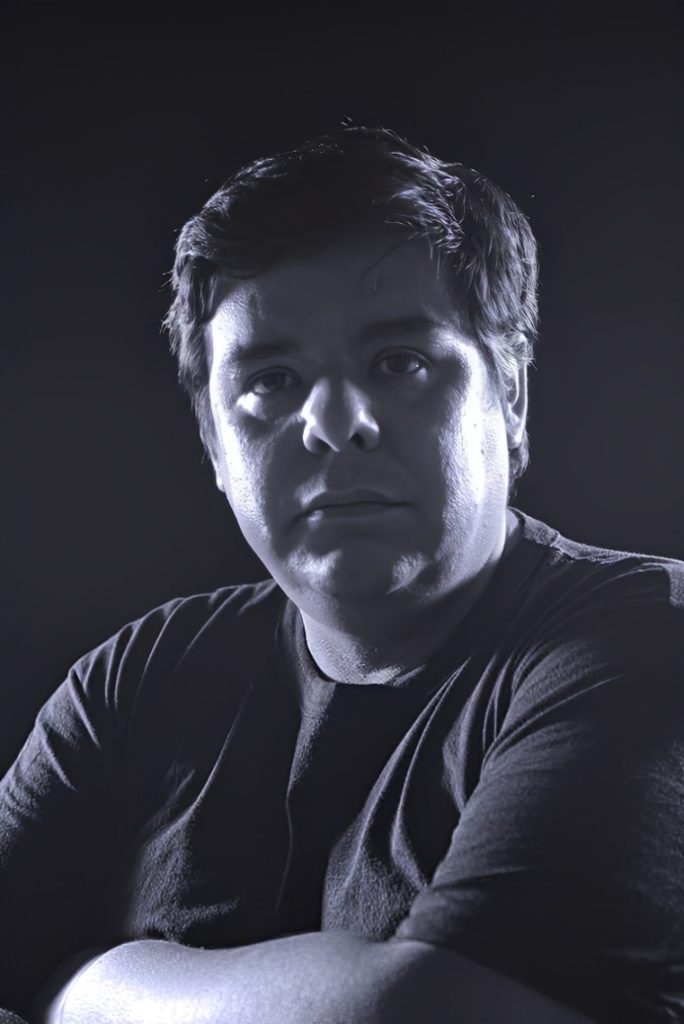
Although cinema remains at the centre of his career, Giménez does not define himself exclusively as a filmmaker, he also describes storytelling as the foundation of all his creative work.
“I usually introduce myself as a narrator first, before a filmmaker.” That perspective has led him to work across multiple artistic disciplines, including literature, photography and visual arts. He explains that every idea eventually reveals the form through which it should be expressed.
“Sometimes the idea itself tells you how it is going to be. Currently, alongside film projects, I am also developing literary work that explores questions surrounding Paraguayan cinema and cultural identity.”
Looking towards the future
Despite institutional challenges and financial limitations, Hugo remains hopeful about the future. He acknowledges that the pandemic deeply affected the cultural sector and disrupted many creative projects. Nevertheless, he believes filmmakers are gradually recovering the pace.
“There is something good emerging,” he says. “The wheel has started moving again.” He argues that future progress depends on funding and also on discussions about labour rights, technology and the protection of creative workers. As cinema continues evolving, he believes Paraguay must also consider how to support the people who make films possible.
For now, however, his outlook remains positive. More productions continue appearing, more filmmakers are entering the field and more stories are finding their audiences. Through that steady growth, Giménez sees the foundations of a stronger national cinema taking shape.
“Surely more and more films will be made, and we will begin to say: this seems to be Paraguayan cinema.”
As the conversation comes to an end, his confidence in the future remains evident. Paraguayan cinema may still be defining itself, but through filmmakers such as Hugo Giménez, it continues moving forward, expanding its horizons and discovering new ways to tell the country’s stories.
For more information follow Hugo Giménez on Instagram. Also read These Are Five Internationally Awarded Paraguayan Films You Want To See!