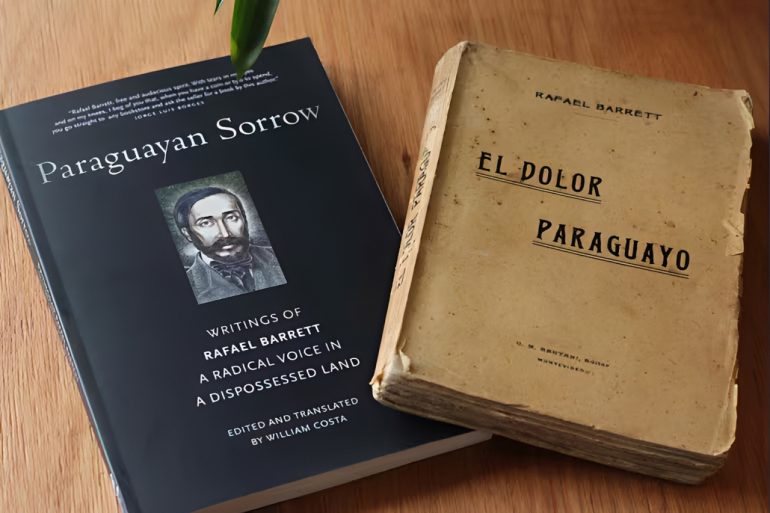

Rafael Barrett’s El dolor paraguayo is one of the books that has crossed the language barrier. Translated into English as Paraguayan Sorrow, the book brings Barrett’s powerful voice on injustice and dignity to a worldwide audience. The translation was completed by British journalist and translator William Costa, who worked on the project between June 2023 and early 2024 after discovering that Barrett’s most important work had never been published in English. Released by Monthly Review Press in the United States, the book now makes one of Paraguay’s most influential literary voices accessible to readers who may never have encountered Paraguayan literature before.
Known as a “universal Paraguayan”, Barrett exposed the harsh realities of exploitation in the early twentieth century while defending the cultural richness of Paraguay. Costa took the matter into his own hands and translated Barrett’s work, making it available to an international audience for the first time. The translation represents more than a literary milestone. It is also an invitation for readers around the world to discover Barrett’s legacy and the struggles he wrote about with such urgency.
Themes in Paraguayan Sorrow
Originally published in 1910, Paraguayan Sorrow presents themes that remain relevant across time and place. Barrett described labour exploitation directly, showing how workers in Paraguay’s plantations and cities endured harsh conditions and how inequality shaped their lives. He defended culture actively, highlighting indigenous knowledge, campesino traditions, and the Guaraní language as essential to Paraguay’s identity. He also framed his denunciations of injustice in ways that extend beyond Paraguay, giving his humanist vision a universal resonance that continues to speak to readers everywhere who recognise similar struggles in their own societies.
More than a century after its original publication, the collection remains a powerful reflection on social inequality, cultural identity, and human dignity. These themes continue to resonate with modern readers, both in Paraguay and abroad.
Origins of the translation
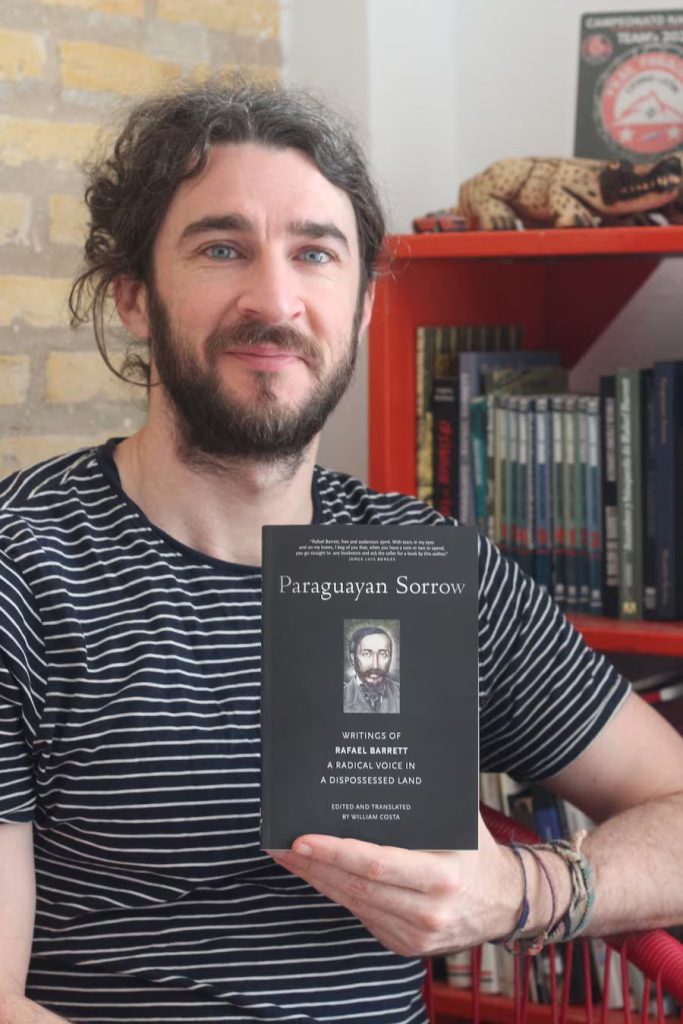
British journalist William Costa arrived in Paraguay and immersed himself in local culture while researching organic yerba mate. During that work, he encountered the writings of Rafael Barrett, a Spanish-born thinker who became one of Paraguay’s most influential voices. Costa noticed that Barrett’s most important book, El dolor paraguayo, had never appeared in English, despite existing translations in Italian and Portuguese. Determined to change that, he began translating all 57 texts in June 2023. He worked steadily for ten months, shaping Barrett’s words into English while preserving their urgency and power.
By early 2024, Monthly Review Press in the United States accepted the manuscript, recognising its importance as part of Latin America’s critical tradition. The publication marked the first time that English-speaking readers could access the complete work. Costa has described the translation of El dolor paraguayo as “the most important thing I have done as a translator”. He approached the project not only as a linguistic task but also as an effort to preserve and share a voice that had shaped Paraguay’s intellectual history.
Barrett’s lasting legacy
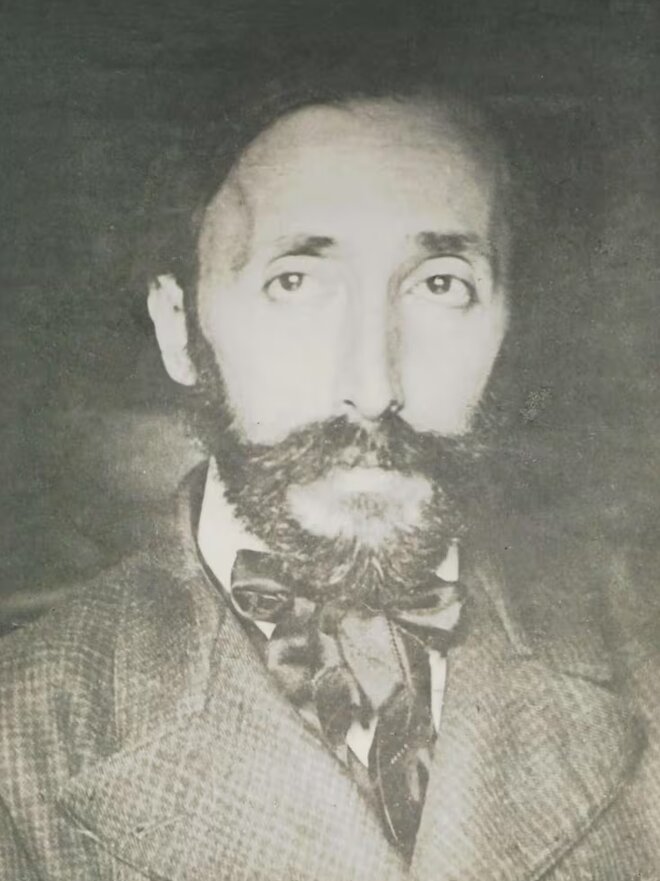
Rafael Barrett (1876–1910) was a Spanish writer and anarchist who became closely associated with Paraguay’s intellectual and social history. He gained recognition for his essays that examined inequality and injustice, often focusing on the lives of workers and marginalised communities. In texts such as Lo que son los yerbales (What herb gardens are), he documented the exploitation of labourers in Paraguay’s yerba mate plantations, providing one of the earliest accounts of these conditions. Barrett’s life was brief and marked by exile and political persecution, yet his writings established him as a significant figure in Latin American thought.
More than a century after his death, his work continues to attract interest from journalists, academics, and readers who study the historical roots of social inequality and cultural identity in Paraguay. His observations on power, labour, and justice remain relevant to contemporary discussions across the region.
A translation for new audiences
Costa emphasised the texts’ literary value, noting their sharp style and emotional force, while also recognising their historical significance as documents of early twentieth-century social struggles. He highlighted their ideological importance, seeing Barrett’s denunciations as a lens through which readers can better understand Paraguay and Latin America today.
To guide new audiences, Costa wrote an introduction that situates Barrett’s life and work within its historical context. Barrett’s descendants also welcomed the project, acknowledging its role in keeping his legacy alive and ensuring that his words continue to resonate beyond Paraguay.
Readers can access the English translation under the title “Paraguayan Sorrow”. The book is available through Amazon, where readers may join the waitlist for the printed edition or purchase the Kindle edition. It can also be found through Monthly Review Press, the publisher that brought Barrett’s work to an international audience. Those interested in following his work can find William Costa on Instagram.