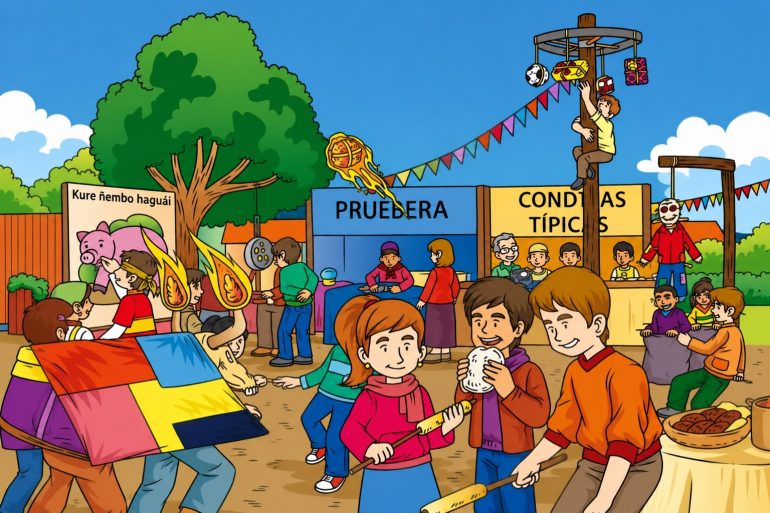

San Juan Night is when Christian devotion and indigenous belief meet once a year in Paraguay, a celebration where fire is purification, water is medicine, and a rooster can predict your love life. Celebrated on 24 June, the Fiesta de San Juan is one of the country’s most vibrant and enduring traditions, drawing communities together around music, food, and ancient ritual. These practices are not simply entertainment; they carry symbolic meaning, offering luck, love, health, and protection. Participants may perform the rituals on the eve of 23 June or throughout the day on 24 June itself.
Fire as purification
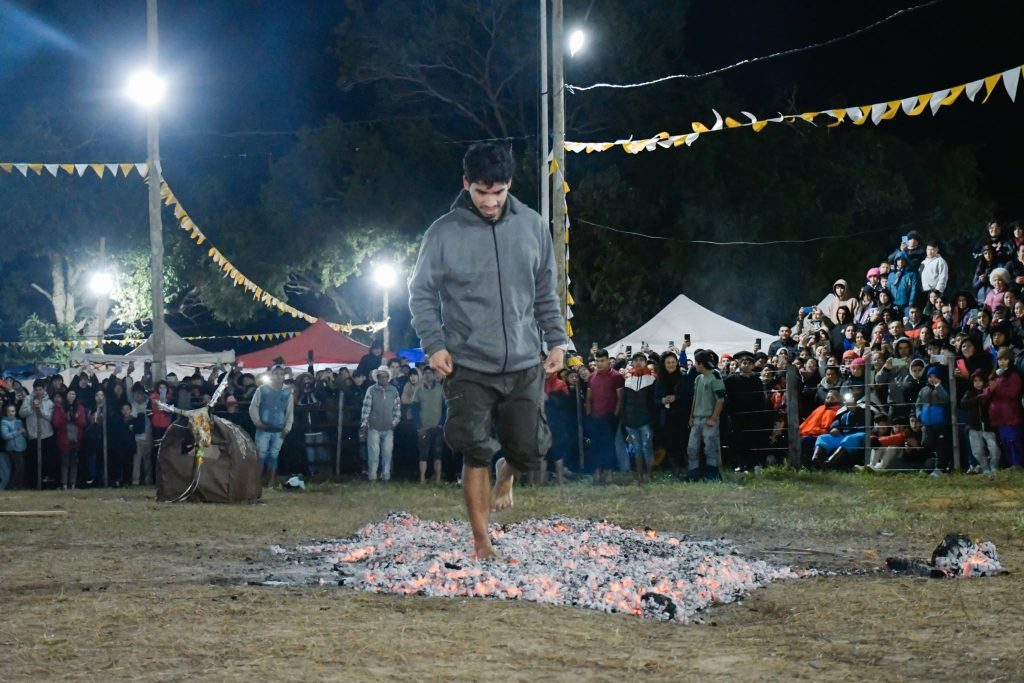
Fire plays a central role in San Juan. People jump over flames up to seven times to attract good fortune. Others rub their bodies with laurel leaves before burning them, a gesture intended to remove negative energy. Wishes written on paper are also burned, with three midnight leaps over the fire sealing the hope for fulfilment.
Water and healing
Water and herbs are used for cleansing and renewal. At midnight, participants wash their faces with river water or herbal infusions of rosemary, mint, and lavender, believing this will bring health and beauty. Another ritual places an egg in salted water overnight to absorb bad energy; participants then bury the mixture the next day to restore balance.
Love and marriage predictions
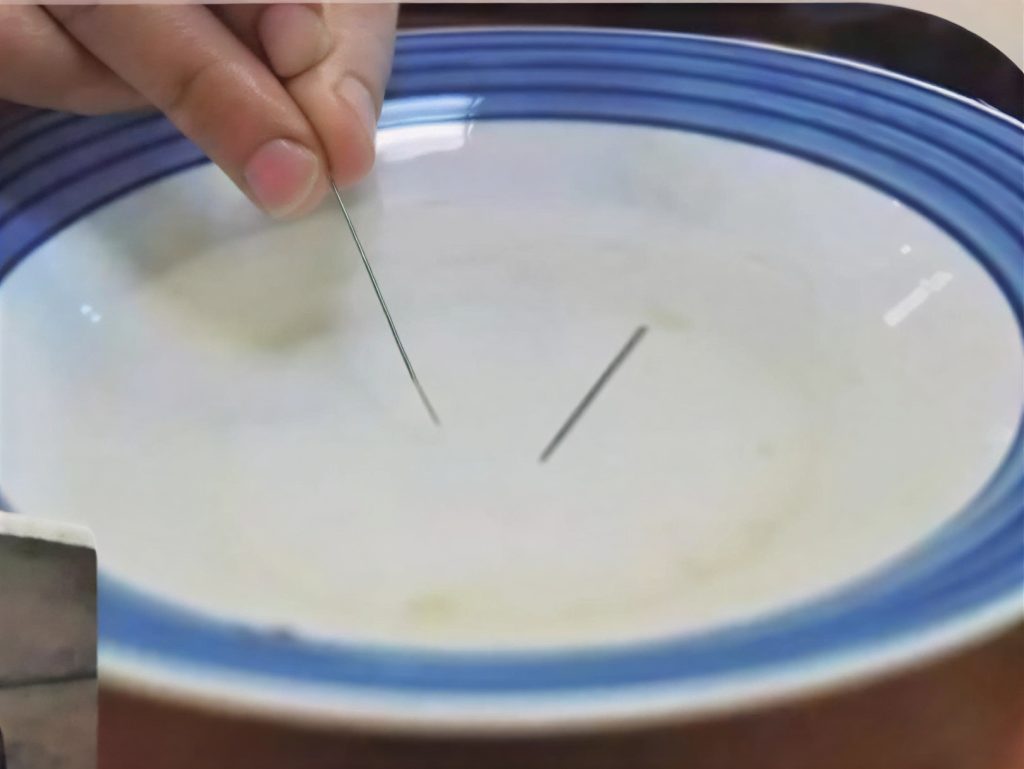
San Juan is also a night of divination. Two floating needles that join together foretell marriage with the current partner. Also, candle wax dropped into water forms shapes interpreted as initials of a future spouse. Moreover, a wedding ring suspended over a glass of water swings and taps the rim, predicting the number of years until marriage.
Single women often place corn seeds for a blindfolded rooster to choose from, its selection revealing luck in love. A rusty knife inserted into a banana tree leaves marks that are read as initials of a destined partner. Looking into a new mirror at midnight may reveal the face of a future spouse, or, ominously, no reflection at all.
Fortune and mysticism
Other rituals focus on destiny. Ink dropped on paper and placed under a pillow produces shapes for participants to interpret in the morning. Furthermore, at noon on 24 June, participants allow a candle to drip 24 times into water, reading the resulting figures as initials or symbols of fate.
A defining element of these rituals is the Pruebera, a folkloric fortune teller who guides participants through these practices. The Pruebera is believed to possess a gift of premonition and interpretation, ensuring that each ritual is correctly understood. Whether reading wax shapes, deciphering rooster choices, or explaining the meaning of a mirror vision, the Pruebera transforms symbolic acts into personal revelations. This figure embodies Paraguay’s oral tradition, linking superstition, community, and cultural heritage.
For those who have never encountered it, the San Juan festival is more than spectacle. It is a collective ritual where Paraguayans reaffirm ties to their ancestors and community. Despite modern influences, these practices endure, making San Juan one of Paraguay’s most cherished cultural celebrations.
Despite modern influences, these practices endure, making San Juan one of Paraguay’s most cherished cultural celebrations. If you would like to experience them firsthand, San Juan events are taking place across Asunción and beyond throughout June and July 2026, find the full guide to dates and locations here.