

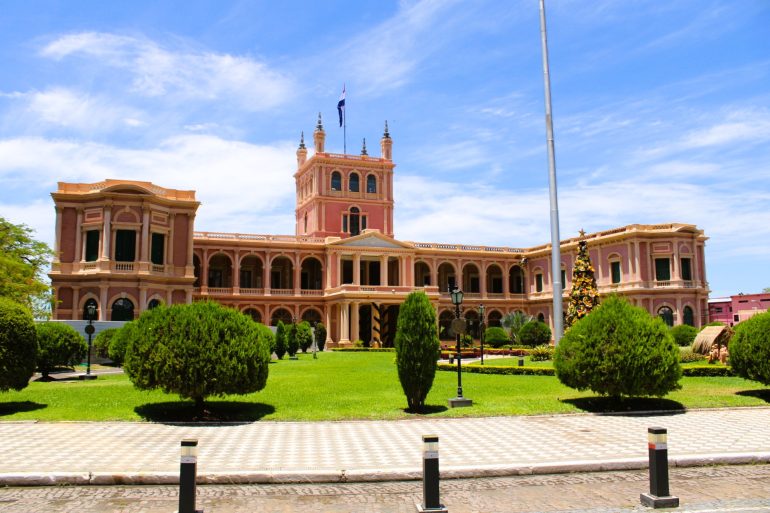

President Santiago Peña has announced a change to an upcoming public holiday in Paraguay. The day commemorating the Oath of the 1992 Constitution will now be observed on Monday, 22 June. This decision officially moves the 2026 Constitution Day Holiday from its original date of Saturday, 20 June, with the stated aim of “giving the occasion greater prominence”.
According to the presidential announcement, the primary objective of this rescheduling is to facilitate wider citizen participation in any commemorative events. The government hopes that by creating a three-day weekend, “more people will have the opportunity to engage with the historical significance of the date”.
Governmental reasoning for the change
In his statement, President Peña emphasised the profound importance of the 1992 Constitution. He highlighted that this charter “has ensured the longest continuous period of democracy and respect for human rights in the nation’s history”. The constitution is credited with establishing Paraguay’s current republican system of government following decades of authoritarian rule.
Furthermore, the executive branch explained that the decision is intended to increase the visibility of the commemoration. By moving the holiday to a weekday, the government believes the day will receive the attention and recognition it deserves from the general population.
Expected boost for domestic tourism
Beyond the civic motivations for moving the 2026 Constitution Day Holiday, the change carries significant economic expectations for the country. The rescheduling of the public holiday effectively creates a long weekend for the nation. Consequently, this is anticipated to provide a substantial impulse to the domestic tourism sector, which relies heavily on such opportunities.
Extended holiday periods have become a key strategy for stimulating economic activity within Paraguay. They consistently encourage citizens to travel to different regions, which in turn energises local economies. The benefits are felt across a wide range of industries, from hospitality and food services to retail and local crafts.
Tourism data highlights long weekend impact
Official data supports the economic rationale behind the decision. According to the National Secretariat of Tourism (Senatur), the national body responsible for promoting and regulating tourism, extended holidays consistently lead to a high influx of visitors to key destinations across the national territory.
A prime example of this trend is the Itaipú Binacional complex, a massive hydroelectric dam on the border with Brazil and one of the country’s main tourist attractions. It consistently ranks as one of the most visited sites in the country during these periods. Recent figures from Senatur show that visitor numbers to the complex have fluctuated between 15,000 and 26,000 people during recent long weekends.

